

Did you know that the insects present on the carcass of an animal can tell us a lot about the state of decomposition?
Blow flies are usually the first to appear at a decomposing body, attracted to the smell emitted by the carcass. The female flies lay their eggs onto the decaying body. House flies and flesh flies are then also attracted to the carcass.
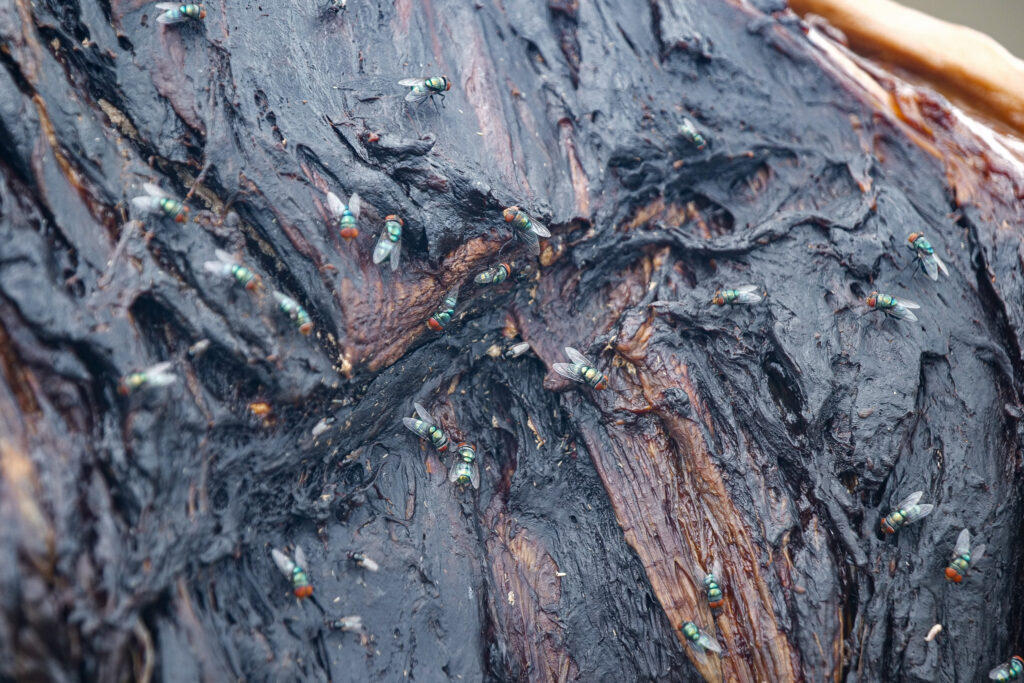
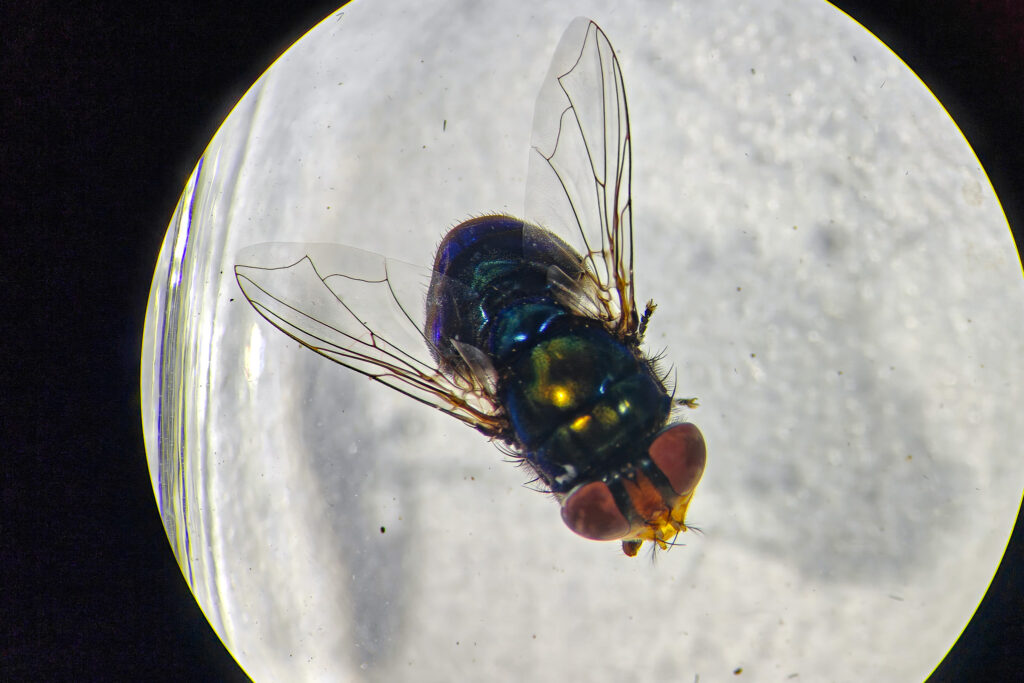
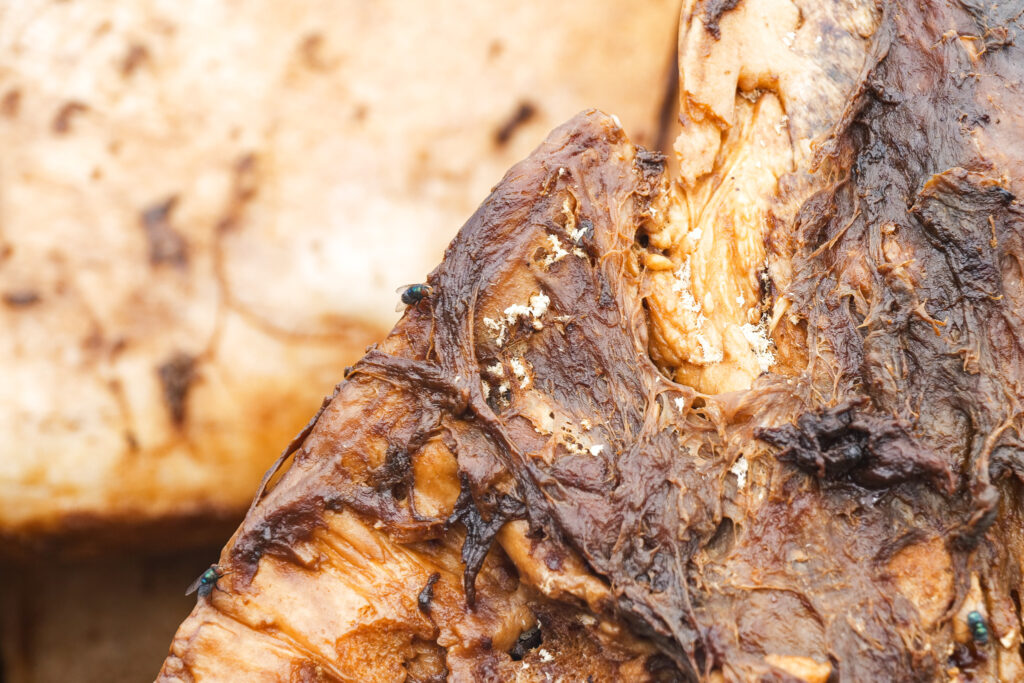
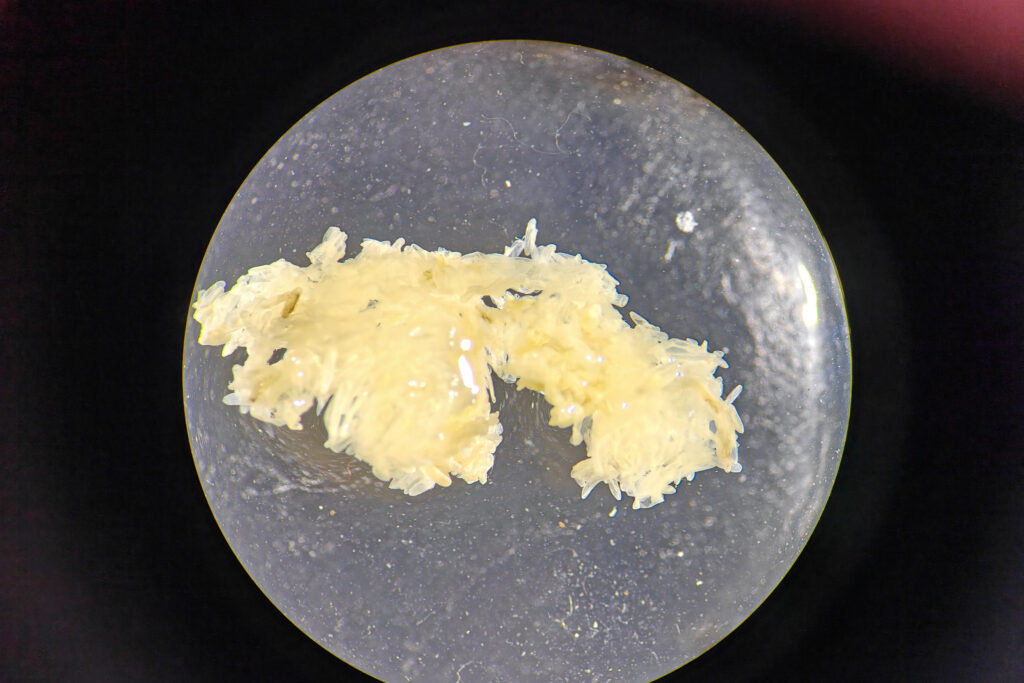
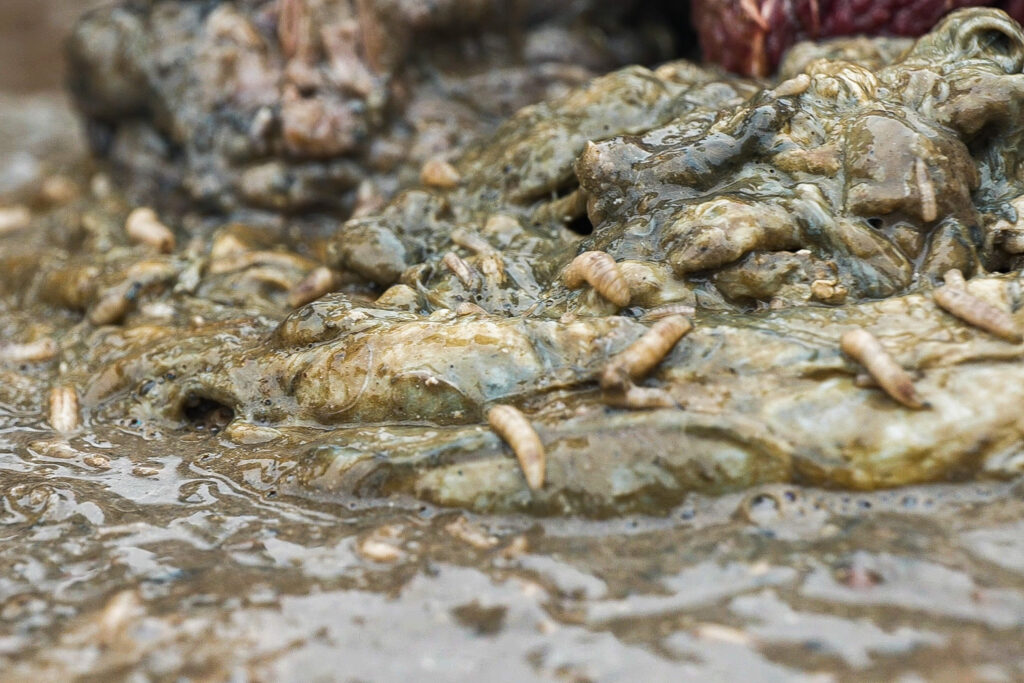
Maggots are seen a few days later—after the body is lifted out of the water—when the fly eggs hatch into larvae. Maggots play an important role in accelerating the decomposition process—they secrete digestive enzymes that break down soft tissues externally, liquefying them and increasing surface area for microbial activity.
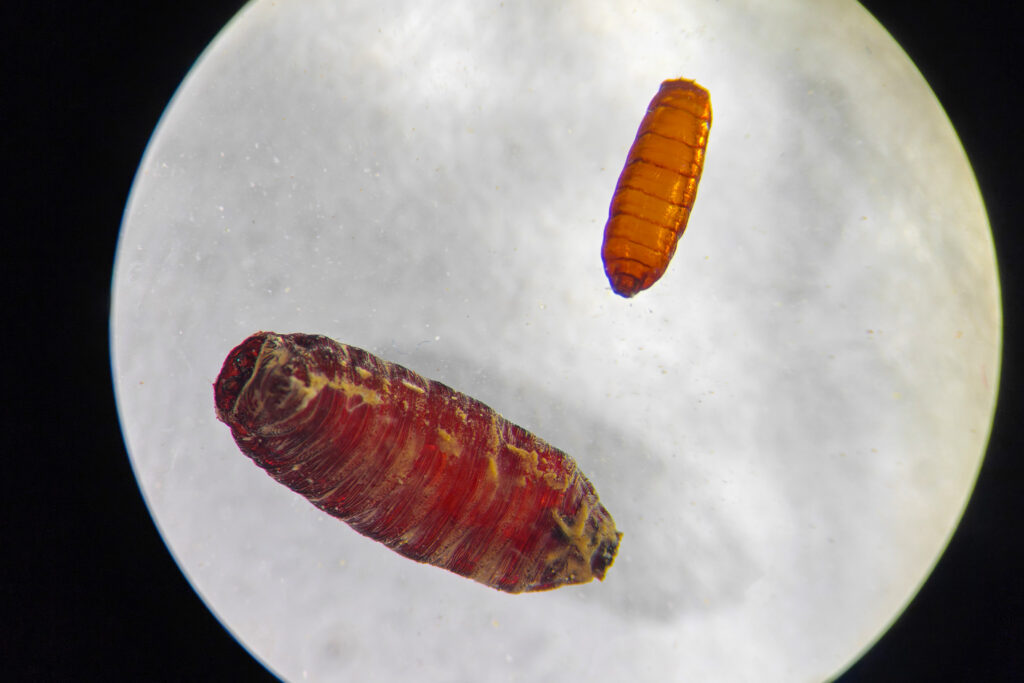
After reaching full size, the maggot stops feeding and seeks a dry, protected spot. The maggot’s final outer layer darkens and hardens, forming the puparium.
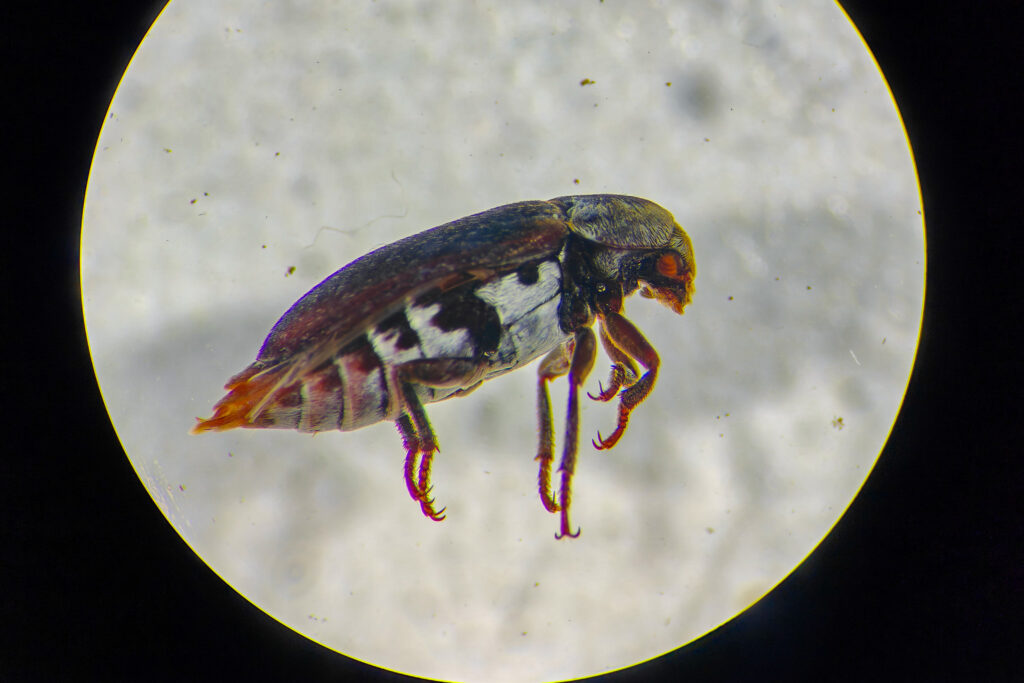
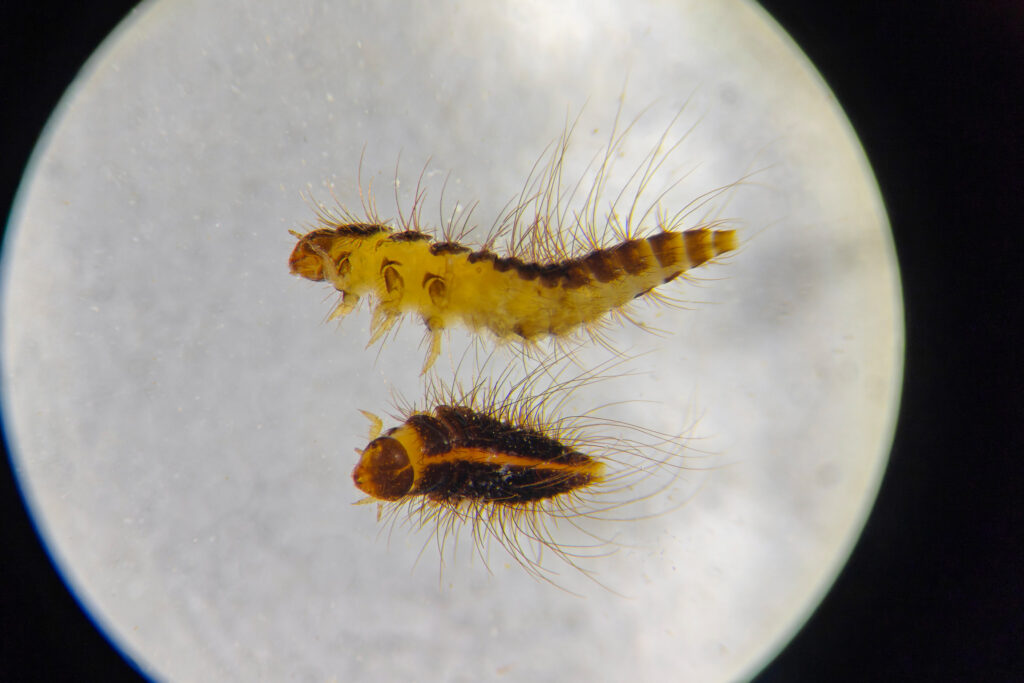
Finally, beetles are attracted to the carcass by the chemical odours produced during decomposition and by the activity of maggot masses. Some, like Necrobia, are predators that feed on maggots as well as tissue, while others, like Dermestes, specialise on the dried skin, fat and connective tissue in the later stages of decay.
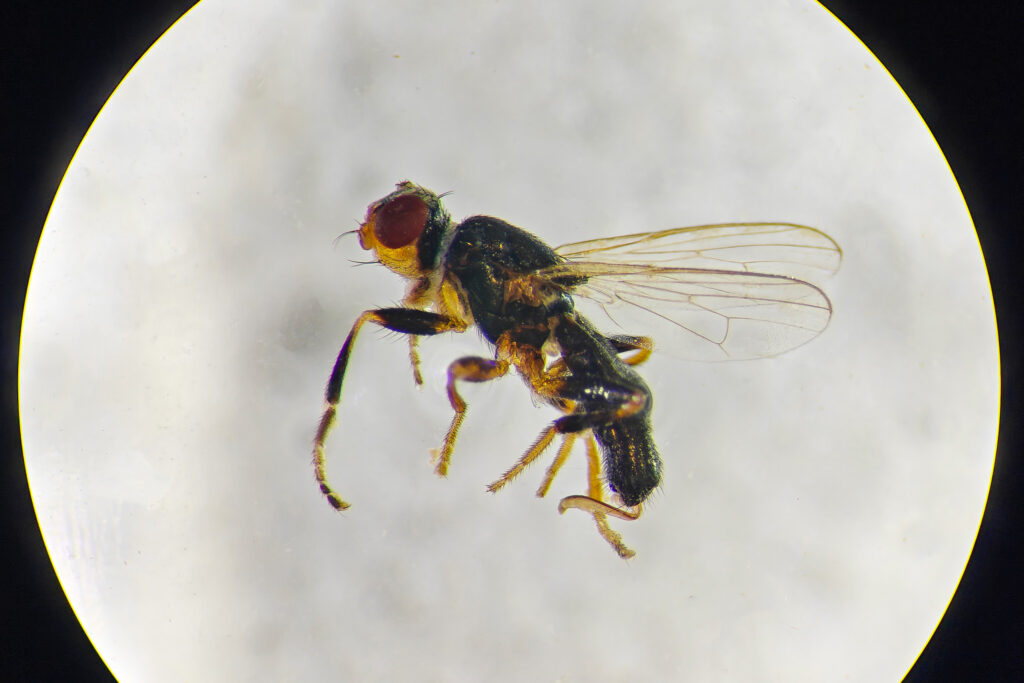
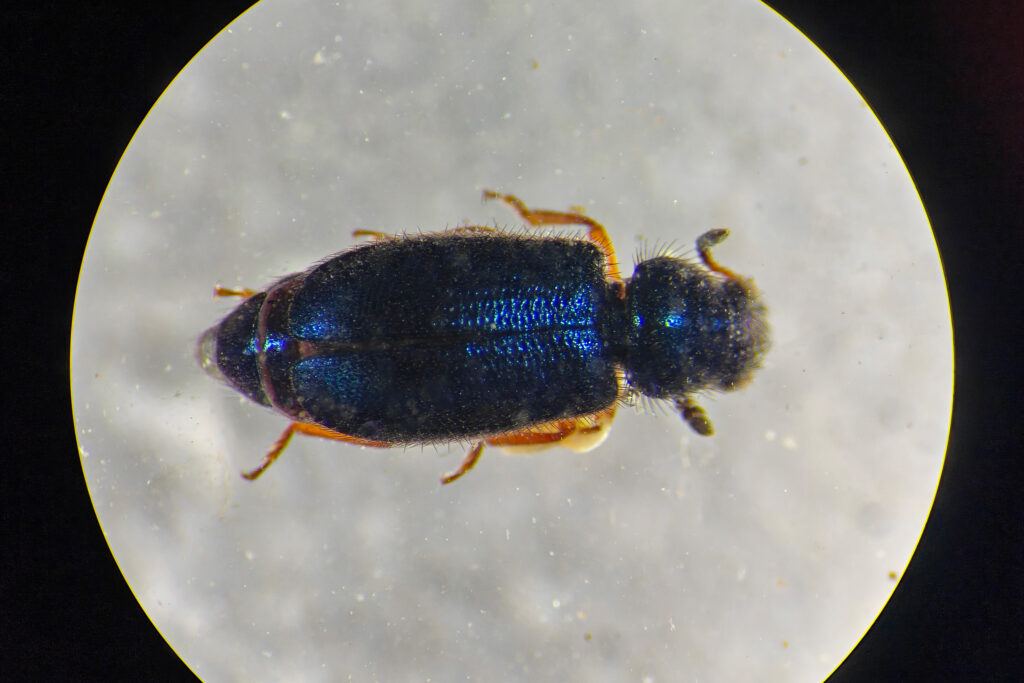
There is much to be learned from these tiny critters! More details on the insects found on the carcass will be released in due course.
Read about the timeline of events of the whale carcass here!