

“Di Tanjong Katong, airnya biru”
(At Tanjong Katong, the waters are blue)
This traditional Malay folk tune is based on a classic ‘pantun’ (a form of Malay poetry) that paints Tanjong Katong as a place of tranquility and gentle beauty. But beyond the melody, what did Tanjong Katong actually look like more than a century ago?
Tanjong Katong was an area that held an open view of the sea with villages, seaside bungalows and coconut groves stretching along its sandy beach. Indeed, it seems like a charming idyllic place.

Turtle Point
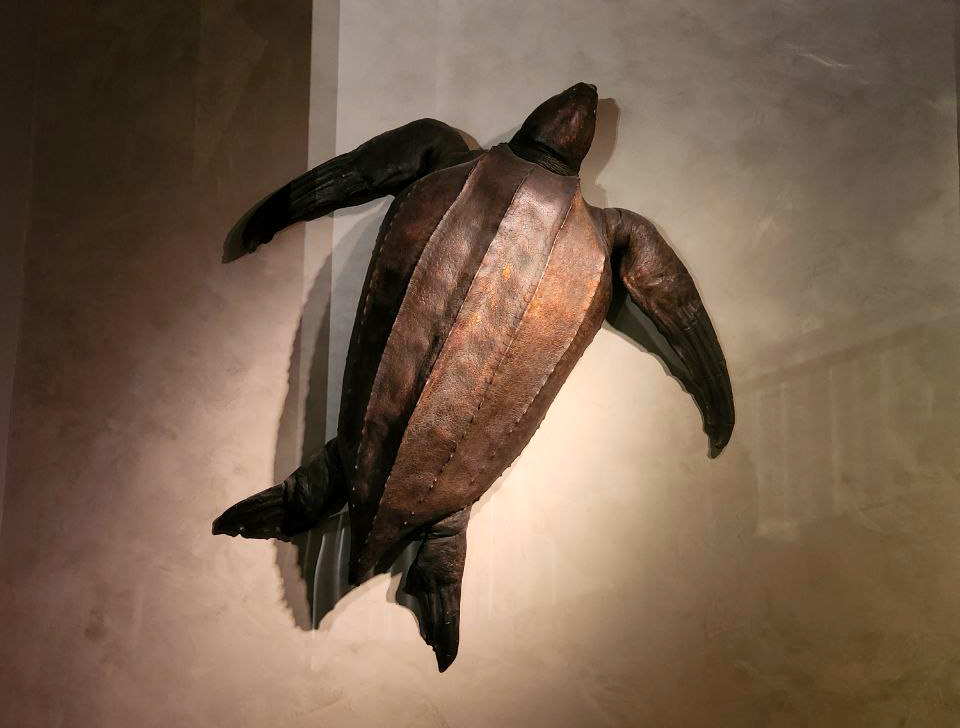
The name Tanjong Katong means ‘Turtle Point’ or ‘Turtle Cape’ in Malay. Some say it could have been from the various tales of turtles visiting the shore. ‘Katong’ often refers specifically to the leatherback sea turtle (Dermochelys coriacea).
Interestingly, the first and only known recorded sighting of this species in Singapore dates to 1883, when some locals found a turtle on a beach near Siglap, not far from Tanjong Katong. The scene was observed by British colonial official Allan Maclean Skinner who convinced the locals to bring it to town instead of throwing it back into the sea. The turtle was transported to the former Raffles Museum and was displayed when its new building opened along Stamford Road in 1887. It remained on display for decades, becoming one of the Museum’s treasured specimens.
Today, this remarkable 143-year-old turtle specimen, fondly nicknamed ‘Siglap’, resides in our Heritage Gallery at the Lee Kong Chian Natural History Museum, a silent witness to Singapore’s coastal past.
Among the coconut trees
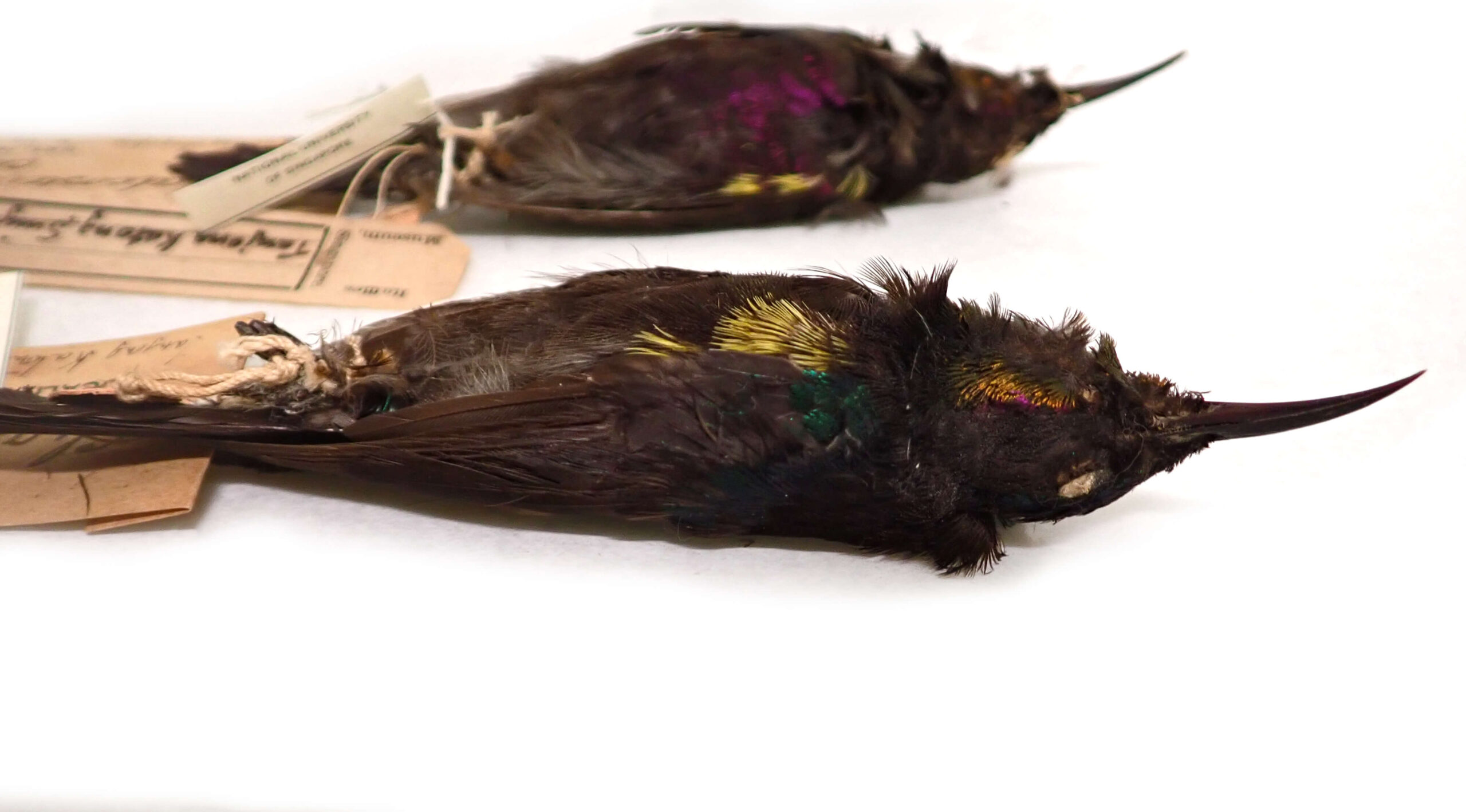
The coastal beach at Tanjong Katong was also home to other fauna at the time. In September 1879, British officer Henry Robert Kelham recorded his encounter collecting sunbirds among the coconut trees at Tanjong Katong. In his notebook, Kelham wrote:
“With K—— and R —— I went by steam-launch to Tanjong Katong, where we spent the morning among the cocoa-nut trees collecting Honey-suckers. The more common kinds… were plentiful enough …”
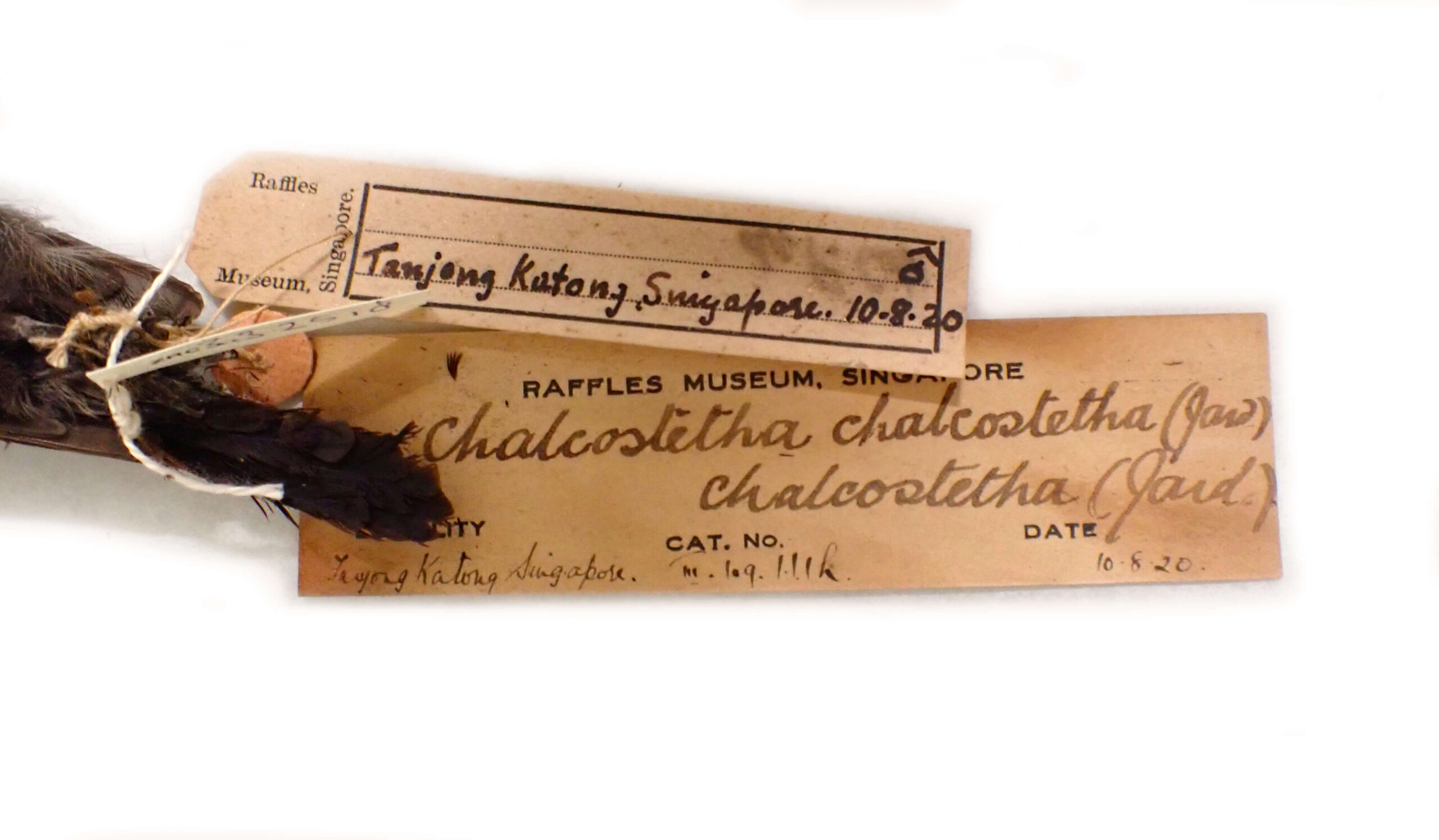
The three “common kinds” of birds Kelham was referring to were the copper-throated sunbird (Leptocoma calcostetha), brown-throated sunbird (Anthreptes malacensis) and olive-backed sunbird (Cinnyris jugularis). These sunbirds can still be commonly seen in Singapore’s mangroves and forests today. Specimens of the species, collected from the same location but half a century later in the 1920s are preserved at the Lee Kong Chian Natural History Museum.
Life along the shore
The sandy beaches were also teeming with marine life. Between 1879 and 1883, British surgeon Samuel Archer, spotted the elusive and shy leaf porter crabs (Family Dorippidae) walking along Tanjong Katong’s shore. Archer found these crabs very curious as they gave themselves away when the mangrove leaves or empty shells they were carrying (to conceal themselves) mysteriously moved along the beach on their own.
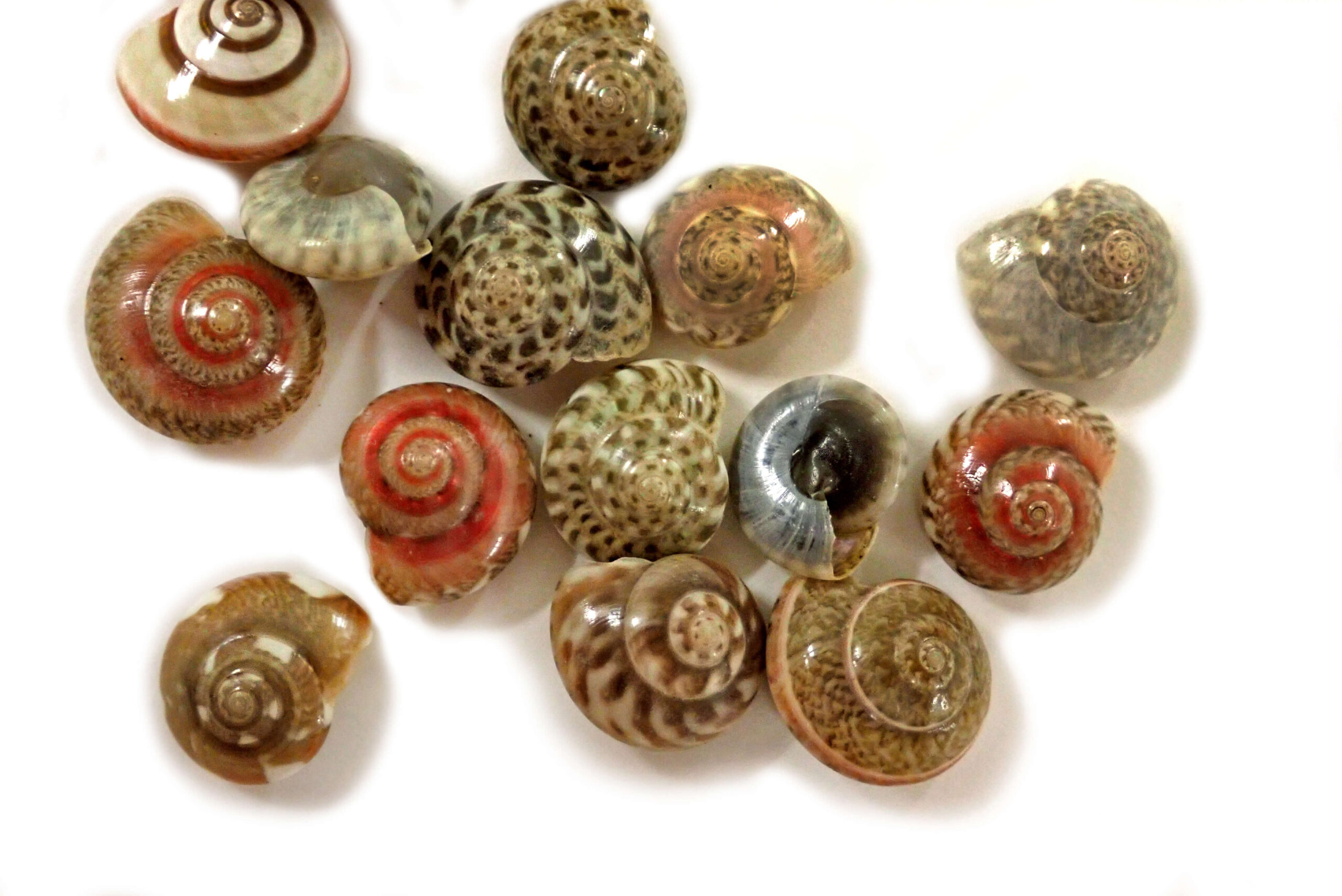
Other small creatures, like the colourful button top shells were found along the shores of Tanjong Katong. These marine snails were once common in Singapore but have since declined in numbers drastically. Today, they can still be spotted on some of our shores.
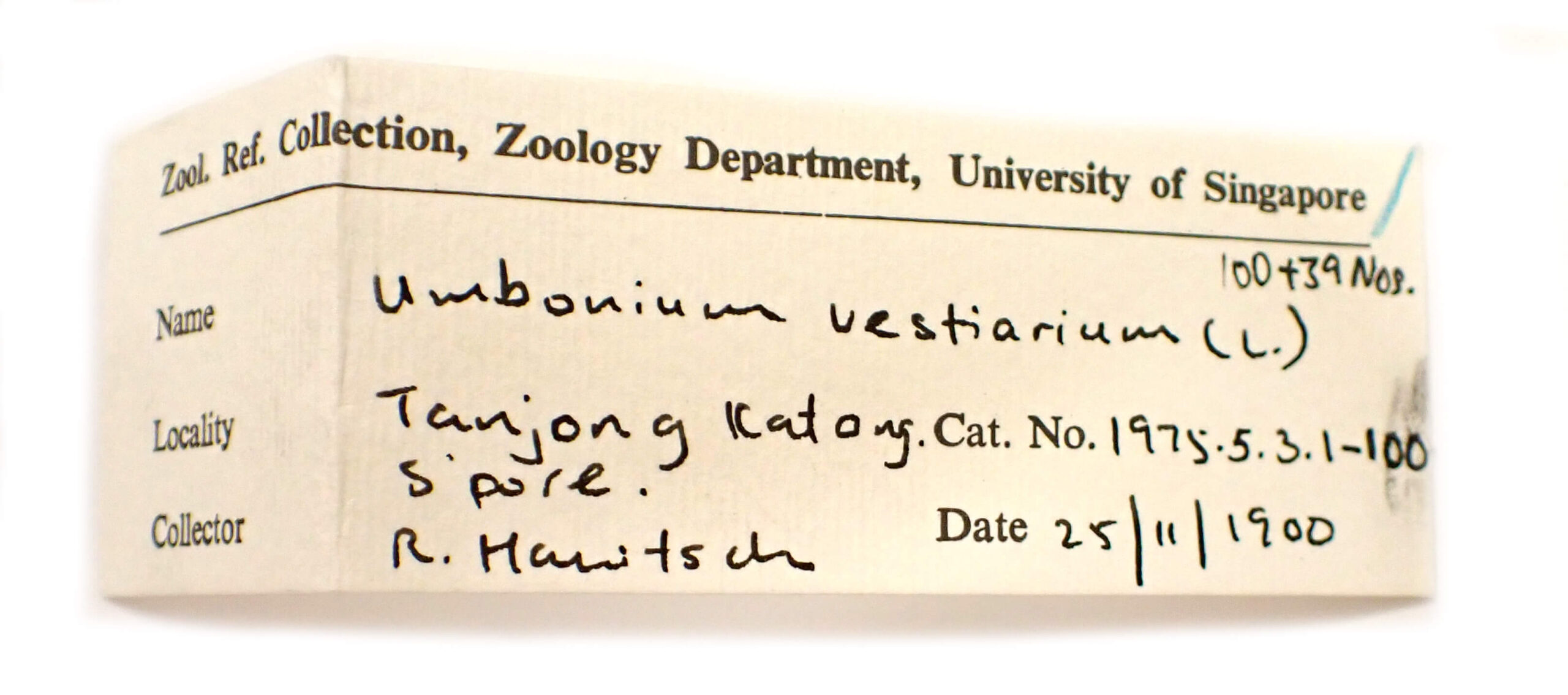
Aquatic snakes slithered also through nearby waters, such as the banded file snake (Acrochordus granulatus). This specimen was collected from Tanjong Katong in 1919. Today, these snakes are still occasionally sighted around Singapore’s shores and mangroves.
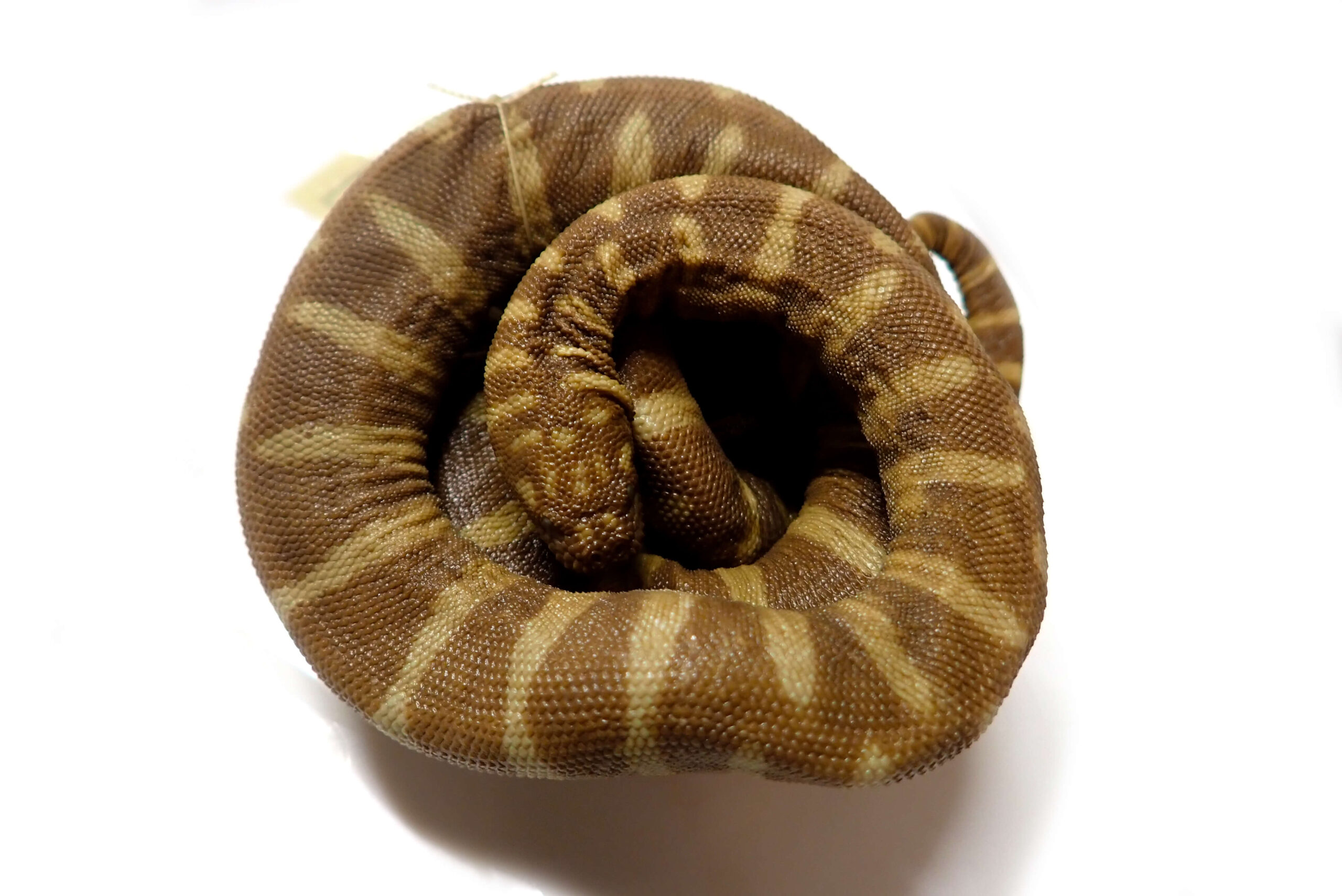
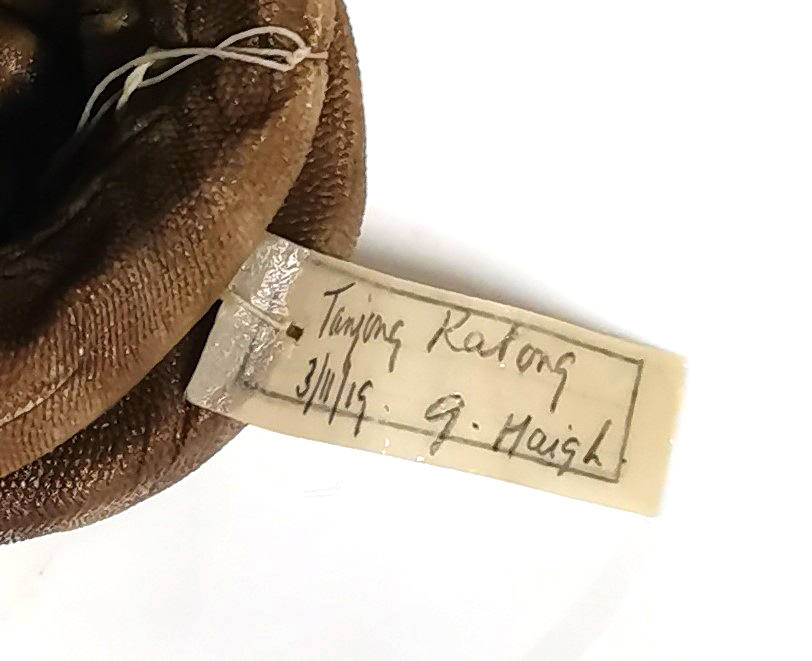
While ‘Di Tanjong Katong’ hints at the area’s blue water and idyllic beauty, Tanjong Katong was never just about the view. It was about the turtles heaving onto the beaches, sunbirds among the coconut trees, and colourful shells scattered along the sandy stretches. While the historical specimens preserved within the collections of the Lee Kong Chian Natural History Museum shows what Tanjong Katong used to have, many of these animals are still found on some of Singapore’s remaining coastal habitats. The next time you sing along to ‘Di-Tanjong Katong’, pause for a moment. Beyond the melody, lies a beautiful scenery, rich biodiversity and stories!
Written by Maimon Hussin and Jeslynn Teo
Sources