

William Jack was a Scottish naturalist who visited Singapore in 1819. As he approached the shore, he commented: “It is impossible to conceive anything more beautiful than the approach to this place through the Archipelago of Islands that lie at the Eastern extremity of the Straits of Malacca”. Singapore is not just a single island. Rather, this little red dot lies within an archipelago. The islands have played many vital roles over the centuries, one of these being the rich habitats for a diversity of wildlife.
Some of Singapore’s islands got their names from the natural environment, such as animals, plants, or their surrounding landscapes. For example, Pulau Ular means ‘Snake Island’ and Pulau Tembakul being ‘Mudskipper Island’. There are also animals named after the islands that they were found on!
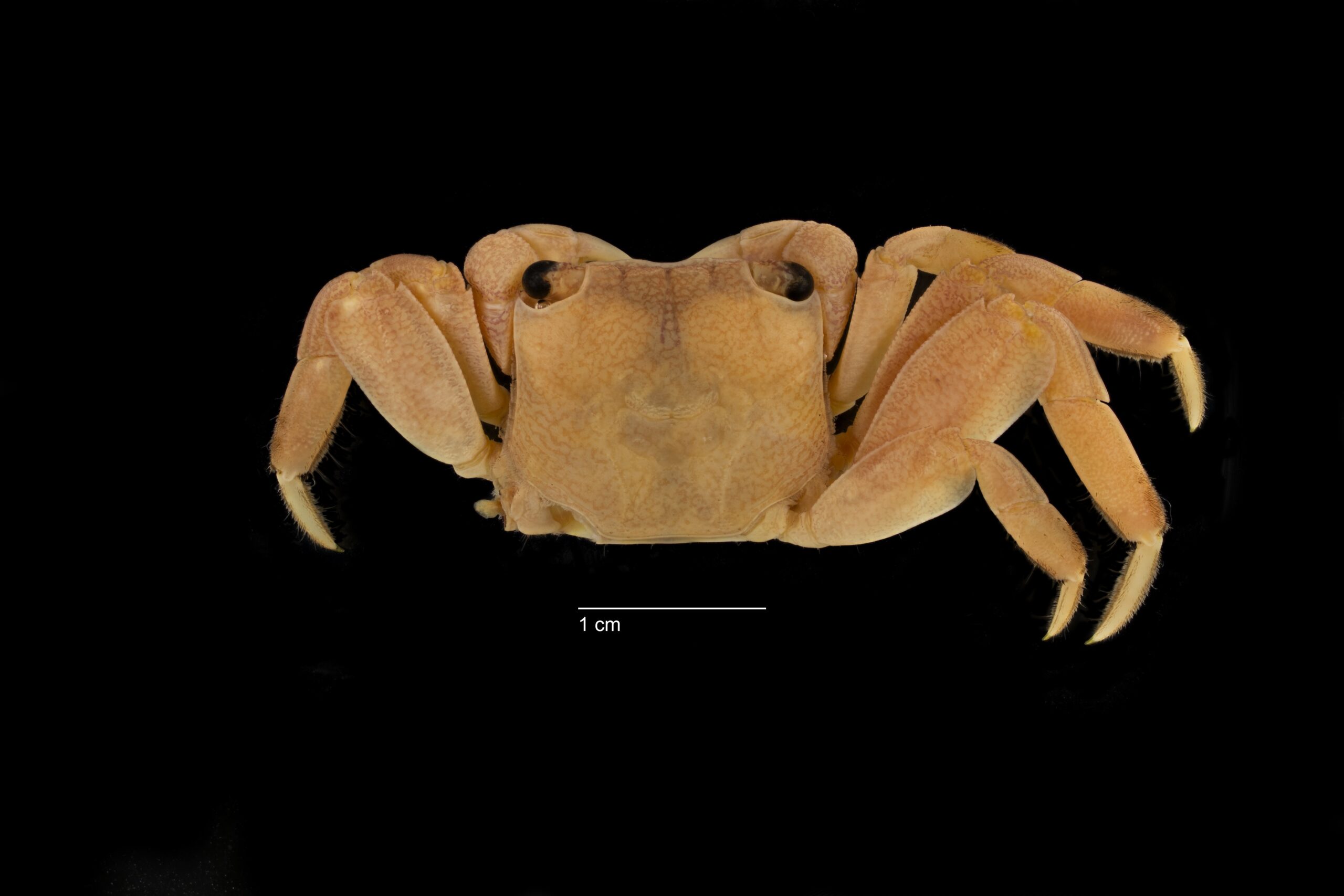
Kusu rock crab (Lithoselatium kusu)
This species was described based on a specimen collected from Kusu Island, and was thus named after the island. It can also be found at Sentosa, Pulau Satumu, Pulau Senang and Labrador Beach!
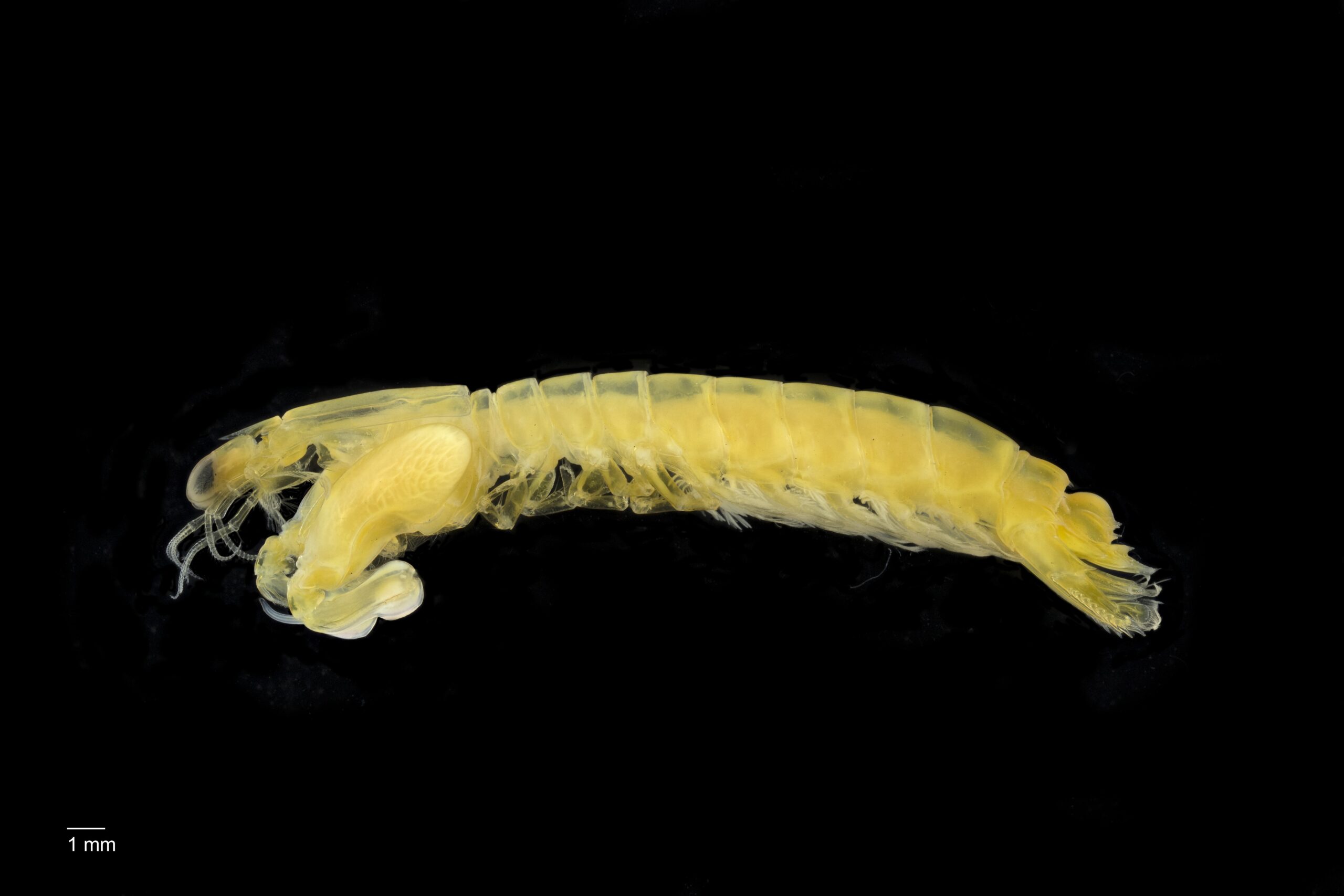
This mantis shrimp was one of the species new to science that was found during the Comprehensive Marine Biodiversity Survey International Workshop held in 2012 and 2013. Found on Sentosa Reef, the mantis shrimp was named after Sentosa.
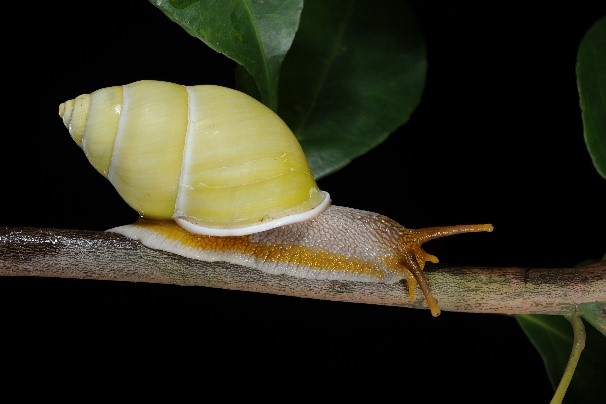
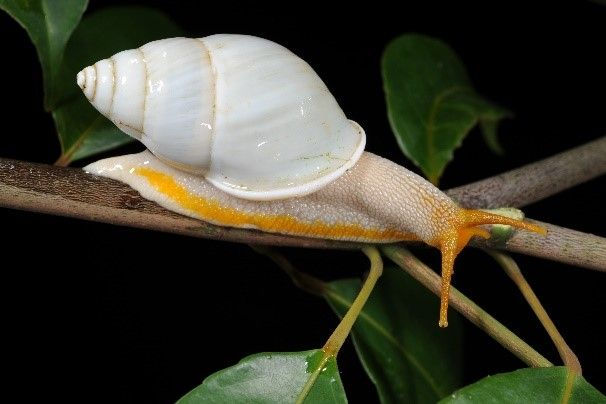
Singapore green tree snail (Amphidromus atricallosus temasek)
This local subspecies of tree snail is typically known for its ‘green’ colouration. Interestingly, various colour variations exist in different parts of Singapore. In Pulau Ubin, the snail population is known to have only white shells. In Pulau Tekong, the snail population is found to have both yellow- and white-shelled individuals, which is a phenomenon unique to Pulau Tekong and the first observation in Singapore. Based on specimens found in Singapore, the species was named after Singapore’s old name, ‘Temasek’!
Did you know, the snail’s green shell is not really green? Rather, it is the dark body showing through its slightly translucent, yellow shell. That is also why the preserved specimens of the Singapore green tree snail in our Museum’s collection are all yellow!
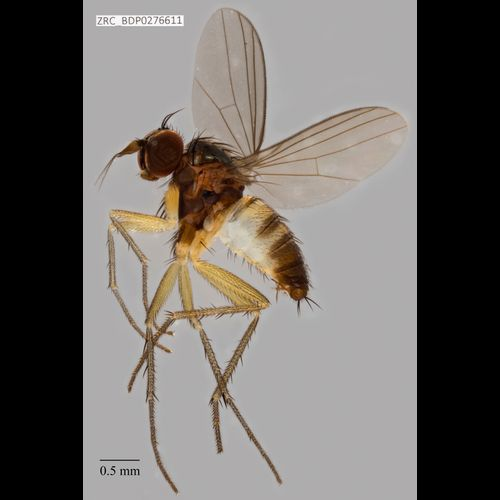
Long-legged fly (Trigonocera ubinensis)
This new species of fly was discovered in the mangroves of Pulau Ubin in 2018. While the fly is abundant on Pulau Ubin, it is not very common in other parts of Singapore. Only two specimens have been found on the main island of Singapore thus far, the first at Nee Soon Swamp Forest, and the second from the swamp forests of Kranji Marshes.
The names of Singapore’s islands, plants and animals are not just scientific labels. They also provide clues to our nation’s past! Now that you have learnt the history behind some of the islands and their creatures, what other names associated with Singapore have you come across?
Written by Jeslynn Teo
Sources