

Established in 2021, the National Parks Board’s (NParks) Tropical Forest Ecology Research (TFER) programme brings together researchers to deepen our understanding of Singapore’s forest ecosystems and strengthen science-based conservation efforts.
A project under the programme has shed light on the extraordinary diversity of insects in Singapore’s forests. Based on data collected across 24 forest and nature park sites, researchers have recovered more than 140,000 unique insect DNA sequences, underscoring the biological richness and dominance of insects in local ecosystems.
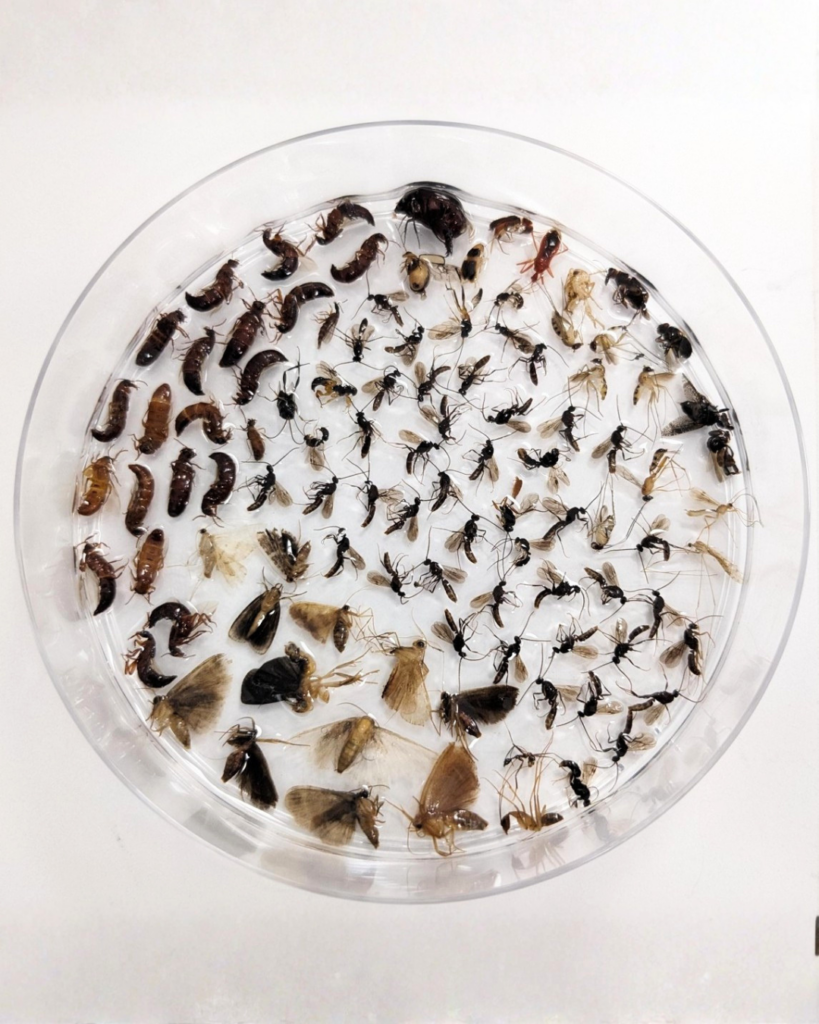
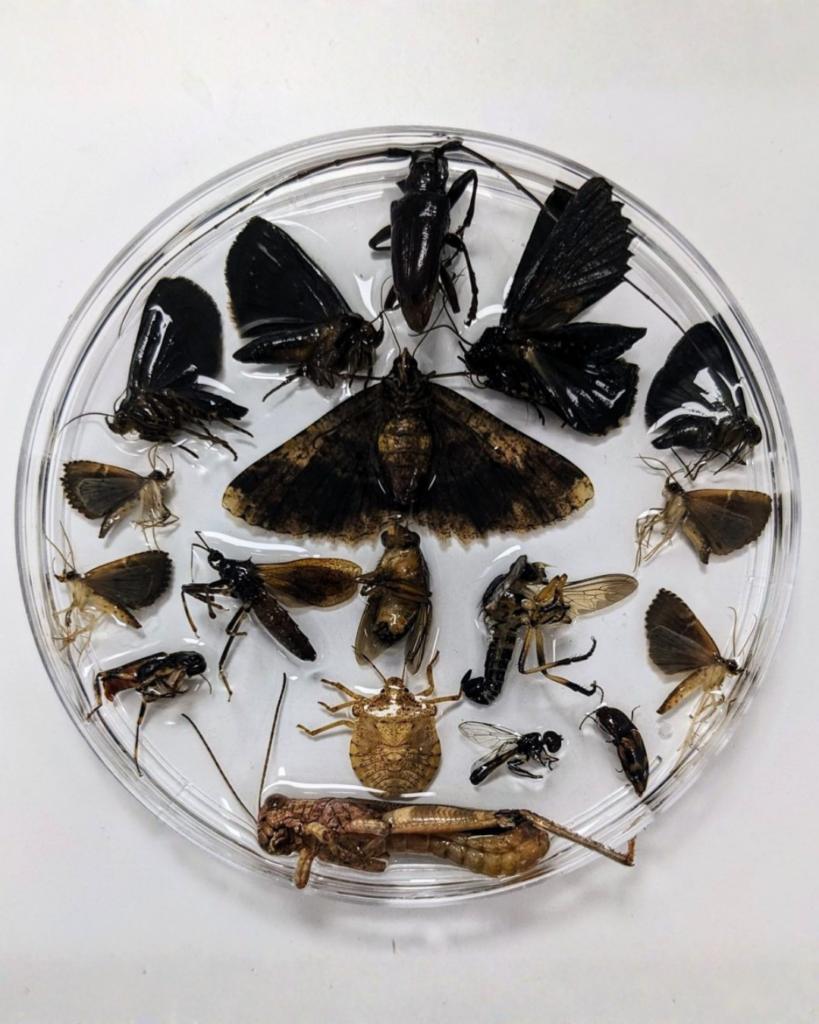
The study was co-led by researchers from the National University of Singapore (NUS), including Dr Hwang Wei Song, Senior Curator of Insecta at the Lee Kong Chian Natural History Museum, together with Assistant Professor Lim Jun Ying from the Department of Biological Sciences (DBS), who is also Principal Investigator of the Plant Ecology, Evolution, and Biogeography (PEEB) Lab at the Centre for Nature-based Climate Solutions (CNCS). It was spearheaded by doctoral researcher Ms Angelica See from DBS and the PEEB Lab. Conducted in collaboration with NParks, the team carried out Singapore’s most extensive survey of flying insect communities to date across forested sites including the Central Catchment Nature Reserve, Clementi Forest and Dover Forest.
In the field, researchers used Malaise traps to capture insects flying through the forest understorey. Back at the lab, the collected specimens were processed using a DNA metabarcoding method. This is a DNA sequencing technique that allows researchers to efficiently process large volumes of highly diverse insect samples in a relatively short time. On why this technology was particularly important for the study, Dr Hwang said, “This technology is especially useful for Singapore given that the majority of insect species here are undescribed and the conventional method of compiling a species inventory using morphology is simply not possible”.
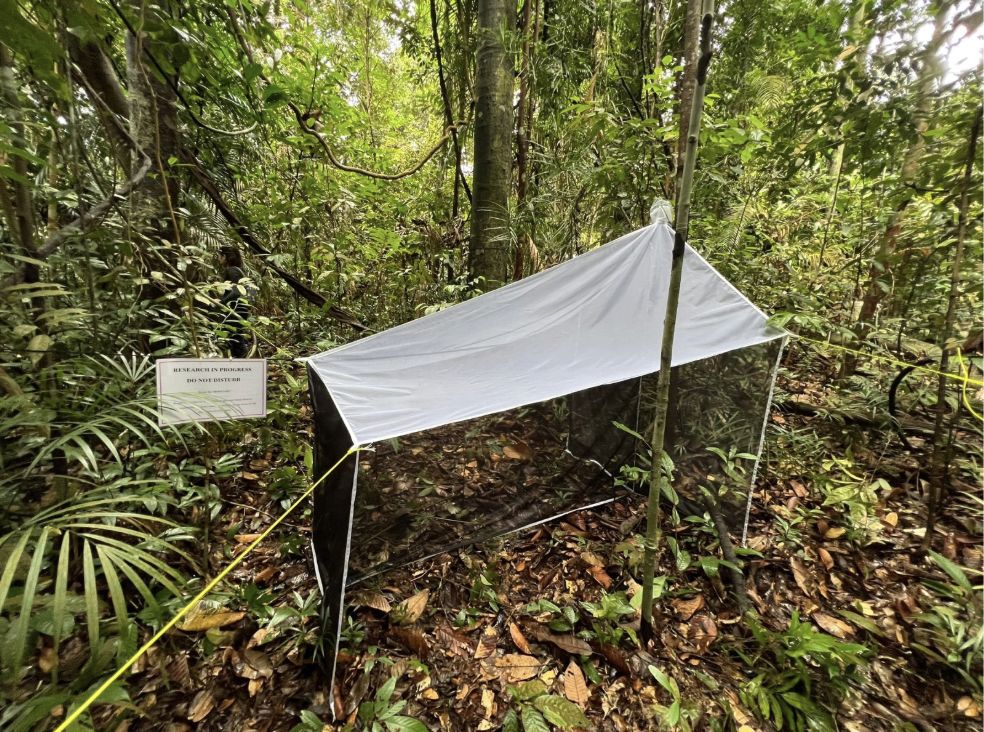
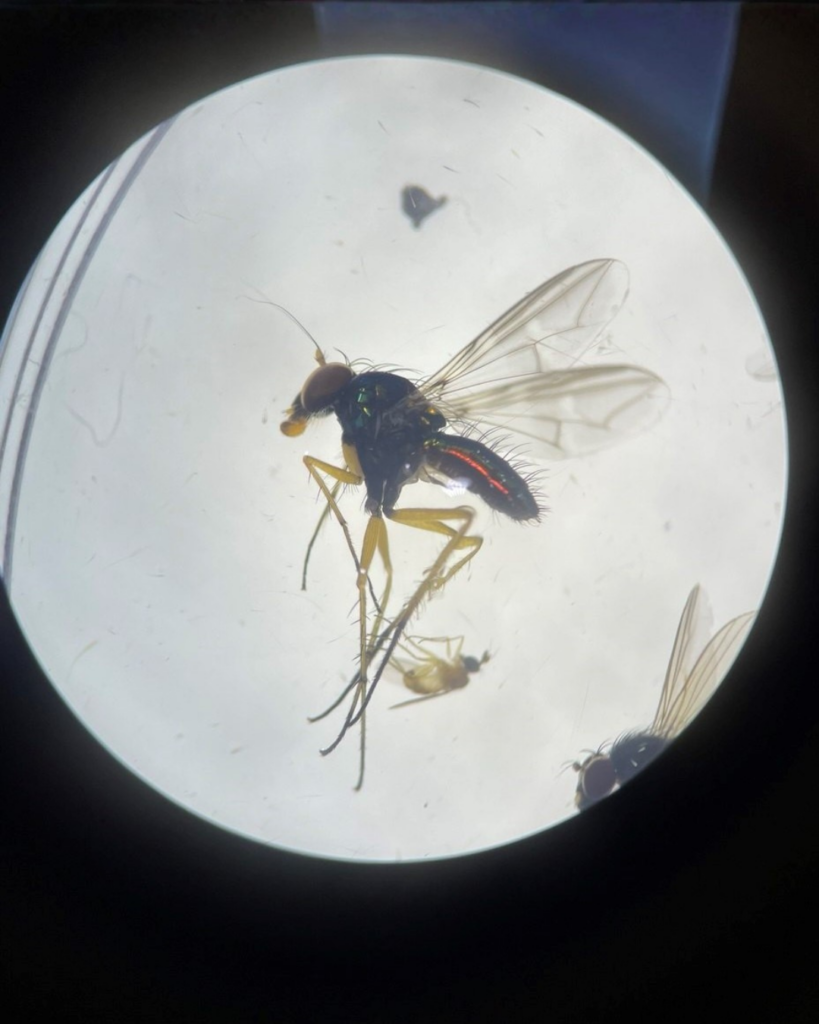
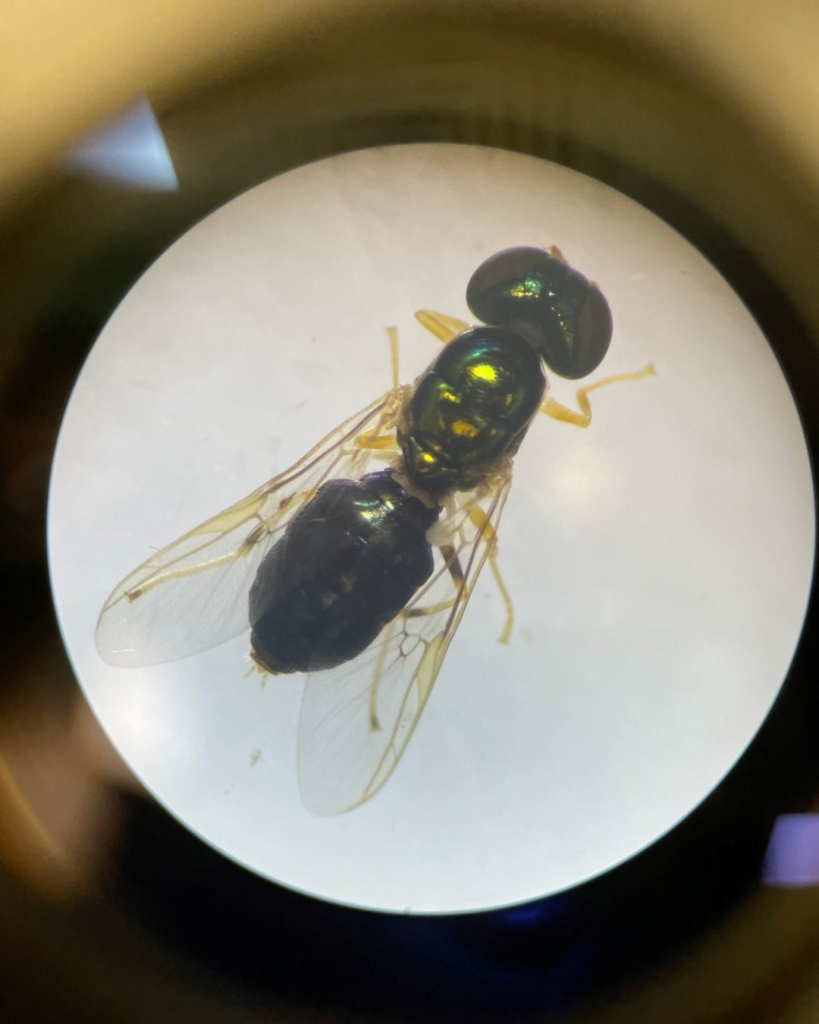
The findings provide an important baseline for tracking changes in Singapore’s insect communities over time. This is especially valuable at a time when insect populations are declining in many parts of the world. “We now have a good working estimate of the insect species diversity present in our forests from which we can further refine and it is a pretty impressive number,” noted Dr Hwang.
Though small in size, insects play a vital role in maintaining healthy forest ecosystems. They act as pollinators, decomposers and food sources for other wildlife, supporting the ecological processes that forests depend on.
By establishing a clearer picture of insect diversity across Singapore’s forests, the study contributes to a deeper understanding of local biodiversity and supports ongoing conservation and forest management efforts.