

The unprecedented South Java Deep Sea Biodiversity Expedition (SJADES) in 2018 marked a historic milestone as the first deep-sea biodiversity expedition organised by Singapore and Indonesia. This collaborative effort was brought together by the Lee Kong Chian Natural History Museum and the Tropical Marine Science Institute at the National University of Singapore, and the Indonesian Institute of Sciences (LIPI).
A team of 31 scientists embarked on a 14-day expedition to survey the unexplored deep seas off the southern coast of West Java, Indonesia, and collected specimens of marine life in that area. The expedition team was co-led by Prof Peter Ng, then Head of the Museum (currently Advisor), and Prof Dwi Listyo Rahayu, Senior Research Scientist at the Research Center for Oceanography of BRIN.

Challenges and triumphs at sea
Sailing from Jakarta along the Sunda Strait towards Cilacap and back, the team covered a remarkable distance of 2,200 kilometres and surveyed 63 sites. The scientists targeted depths between 500 to 2,000 metres, where extraordinary marine life thrives. Various deep-sea sampling techniques, such as dredges, beam trawls and box corers, were employed to collect samples of benthic organisms.


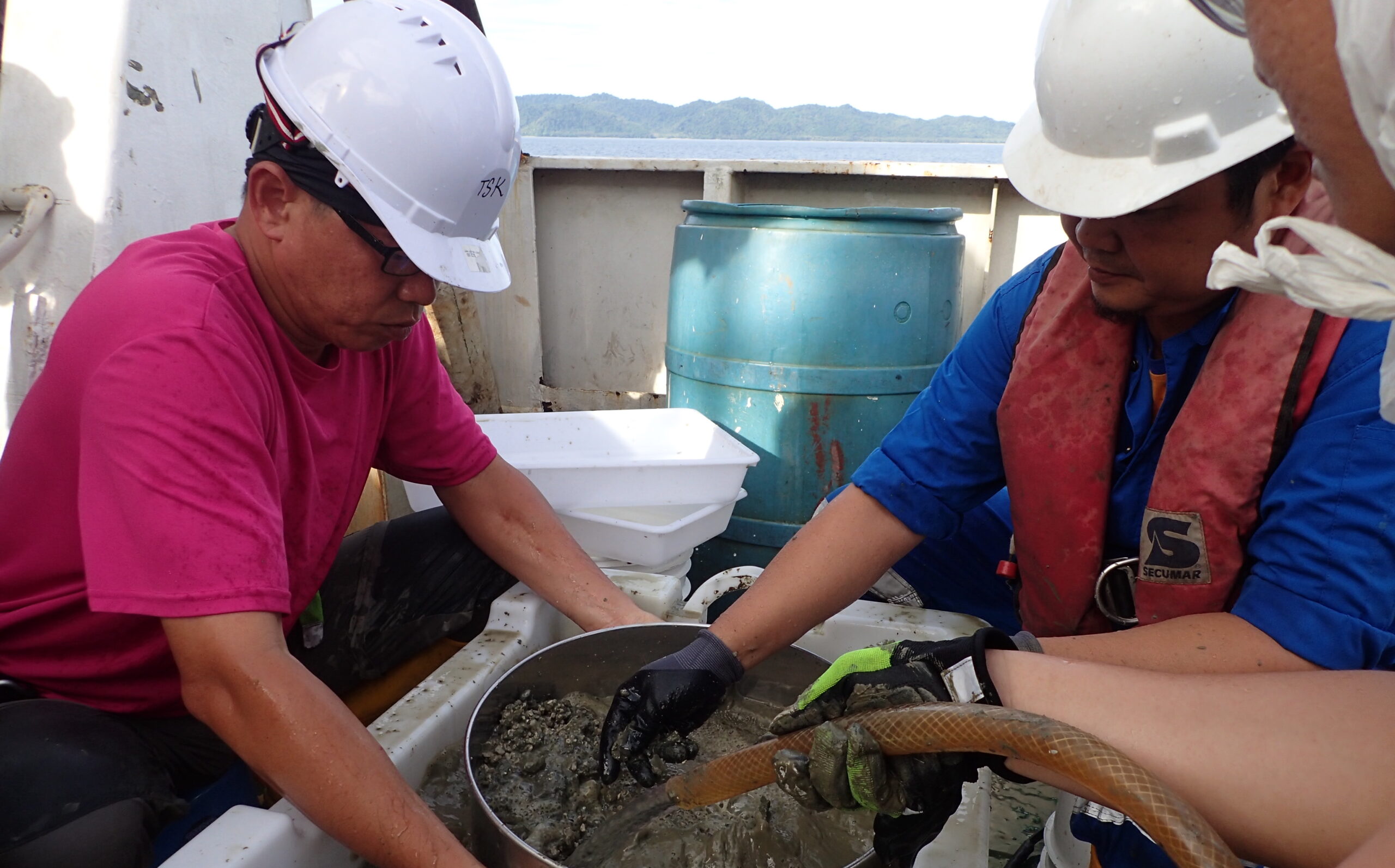
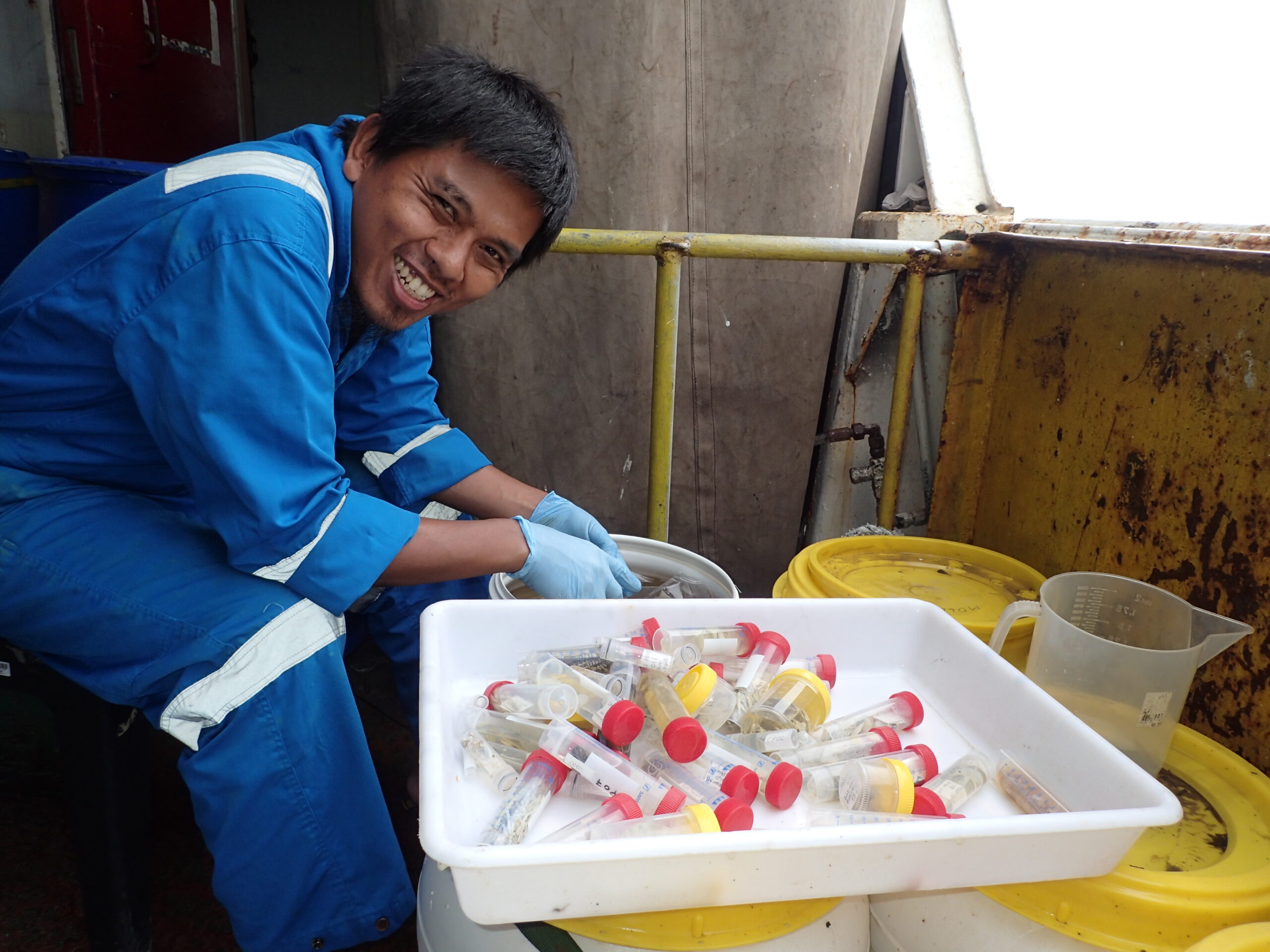
Despite facing multiple challenges at sea, the team was richly rewarded with the uncovering of over 12,000 specimens from 800 species, including sponges, jellyfish, molluscs, starfish, worms, crabs, prawns and fish. Among these more than 12 new species were discovered, and over 40 species were new records for Indonesia.
Discoveries from the abyss
Some interesting specimens include the dumbo octopus, the pink batfish, a crab with fuzzy spines and blood-red eyes. A specimen of the genus Platygobiopsis collected during the expedition came as a surprise as there were only four species described thus far. Perhaps the most exciting highlight of the expedition would be catching one of the largest giant isopods known to science, Bathynomus raksasa, and marks the first time that the genus Bathynomus has collected in Indonesian waters. These fascinating creatures highlight the incredible biodiversity of the deep-sea.


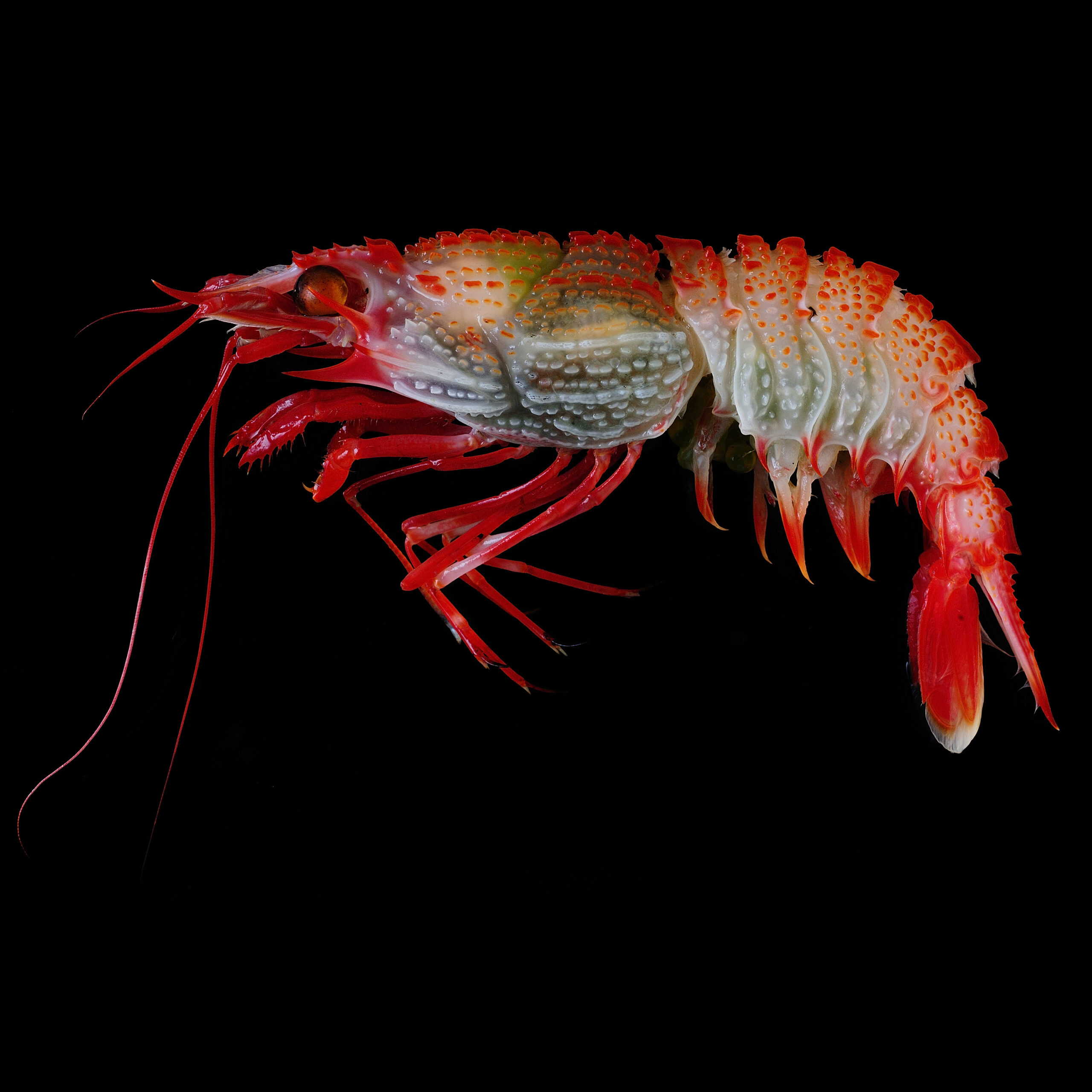
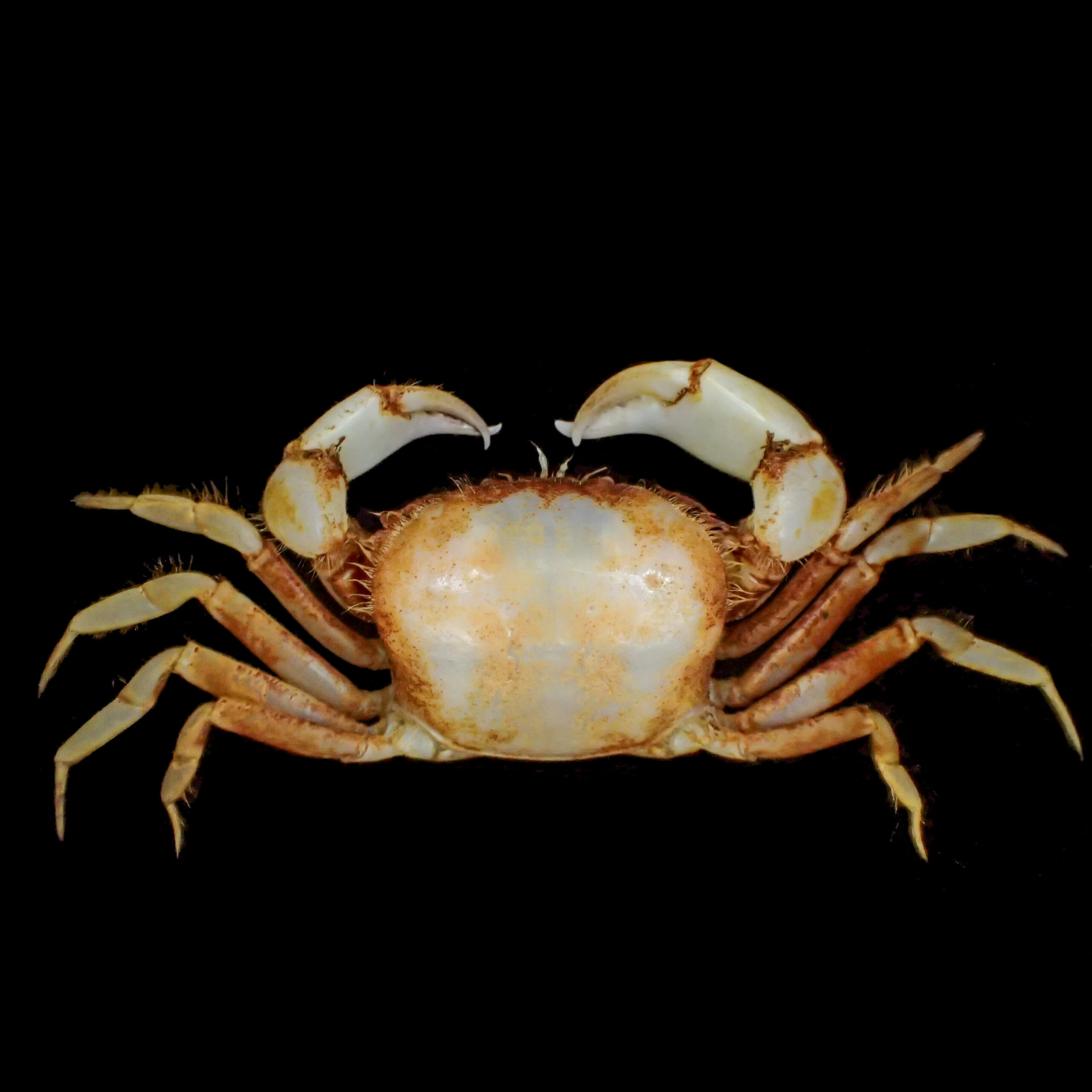
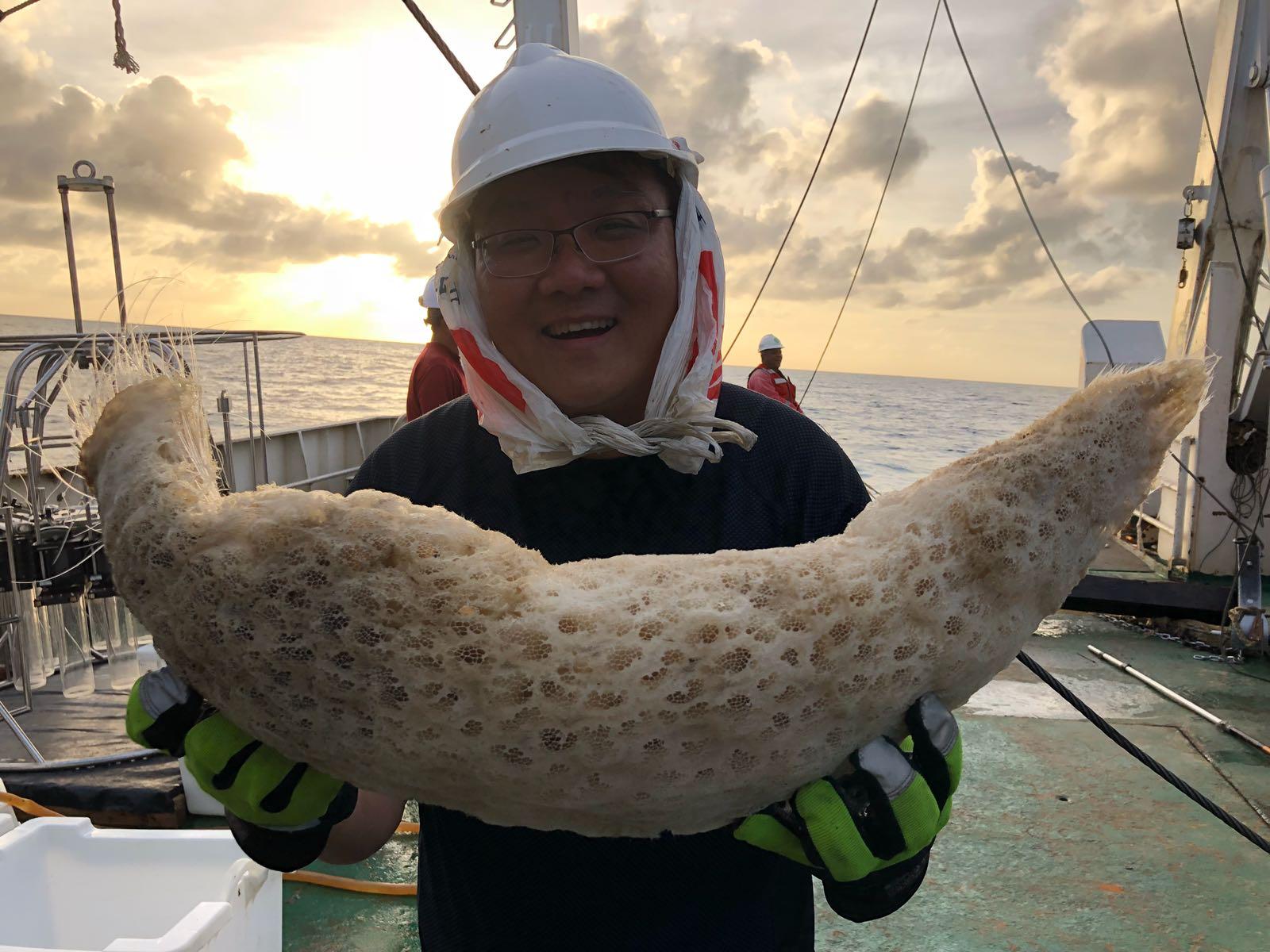

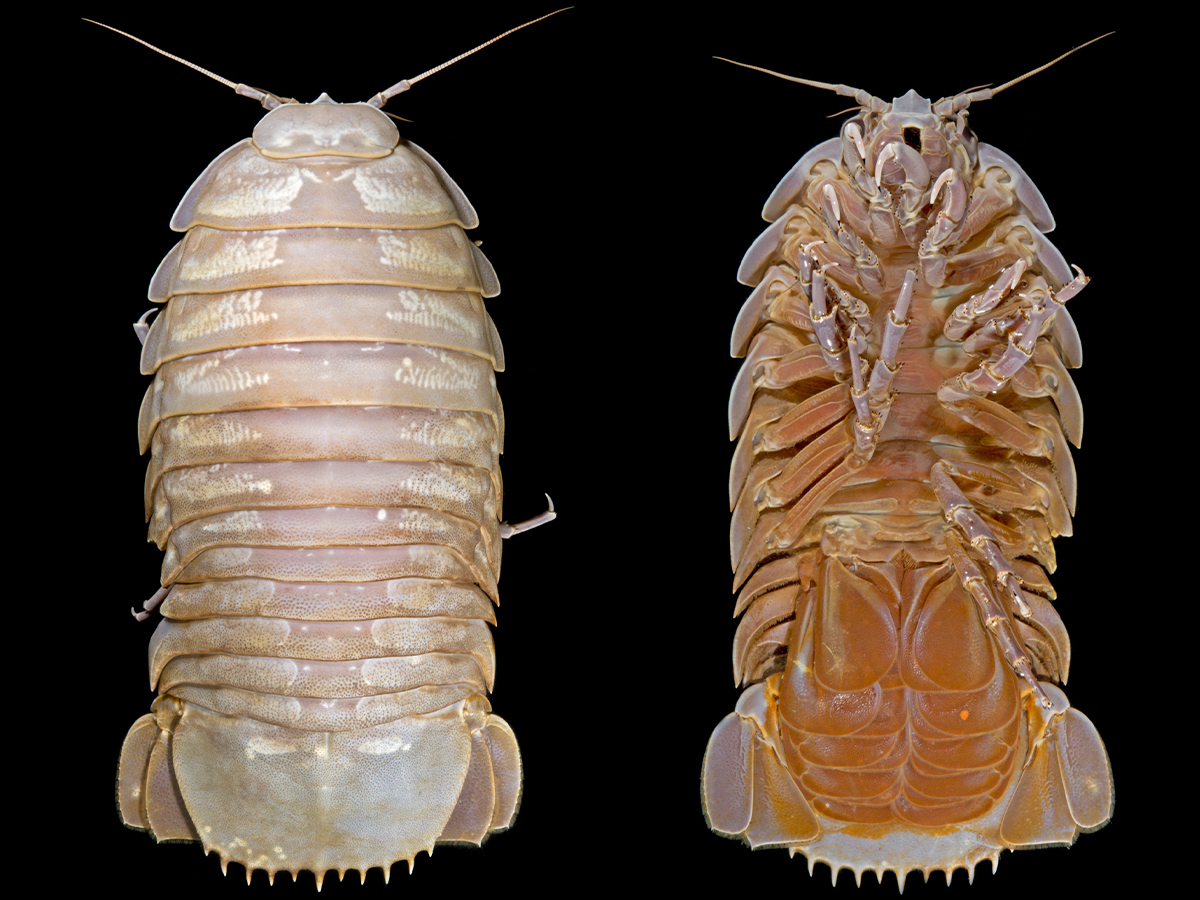
The collected specimens were brought back and studied by scientists from Indonesia and Singapore. Results were subsequently published in the Raffles Bulletin of Zoology, the Museum’s flagship journal (see Supplement No. 36).
SJADES 2018 provided an opportunity for scientists to collaborate and learn from each other in a unique environment. The expedition not only unveiled a wealth of scientific knowledge but also reinforced the long-standing partnership between Singapore and Indonesia’s academic and scientific communities. As the Museum marks its 10th Anniversary, SJADES 2018 serves as a powerful example of how international collaboration can contribute greatly to the uncovering and safeguarding of the natural world.
Research publications:
Raffles Bulletin of Zoology, Supplement No. 36
Related articles: