

Singapore has launched its first major deep-sea scientific expedition since the adoption of the United Nations Biodiversity Beyond National Jurisdiction (BBNJ) Agreement. OceanX and the National University of Singapore (NUS) set sail on 7 October 2025, Tuesday, aboard the advanced research vessel OceanXplorer for a 24-day mission to the Monsoon Rise, a largely unexplored seamount chain in the eastern Indian Ocean.
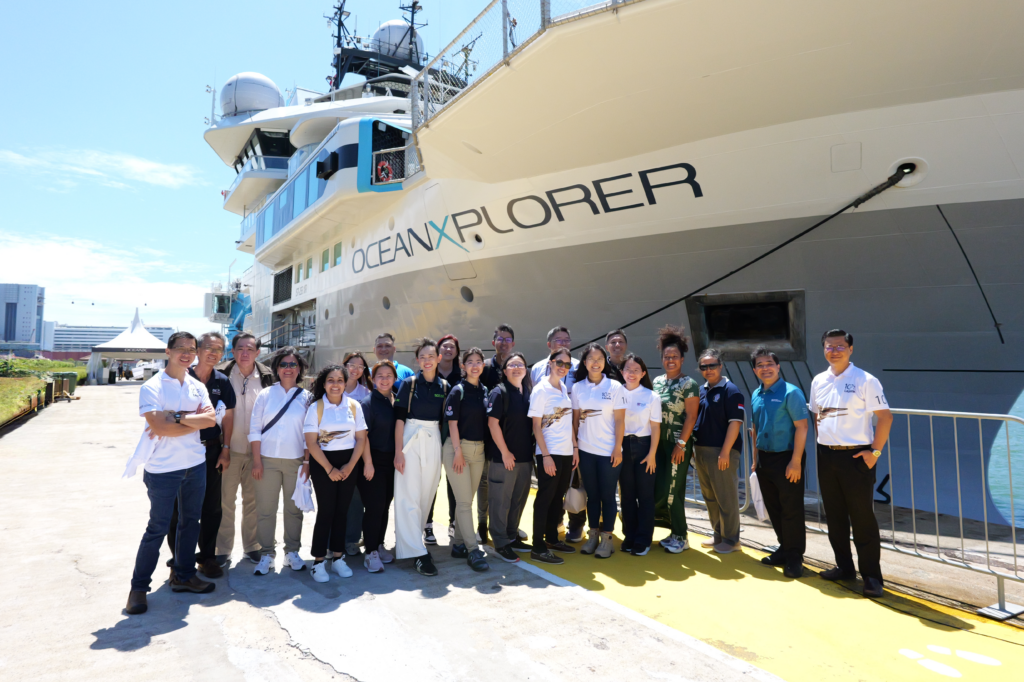
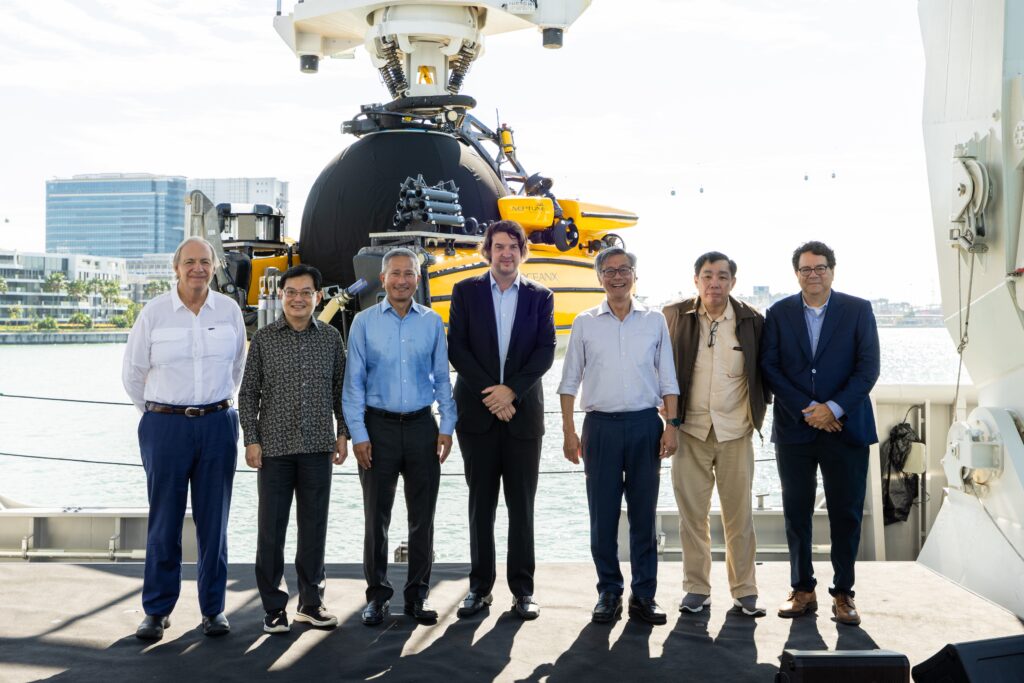
The mission followed a ceremonial send-off on 4 October 2025, last Saturday, aboard the vessel at Marina Keppel Harbour attended by government leaders, scientists, and partners. The event was graced by Guest-of-Honour, Dr Vivian Balakrishnan, Minister for Foreign Affairs, Singapore.
This mission represents a milestone for Singapore’s growing role in global marine science and a critical step in building the evidence base needed to conserve ocean ecosystems while supporting the sustainable use of their resources for humanity’s benefit.
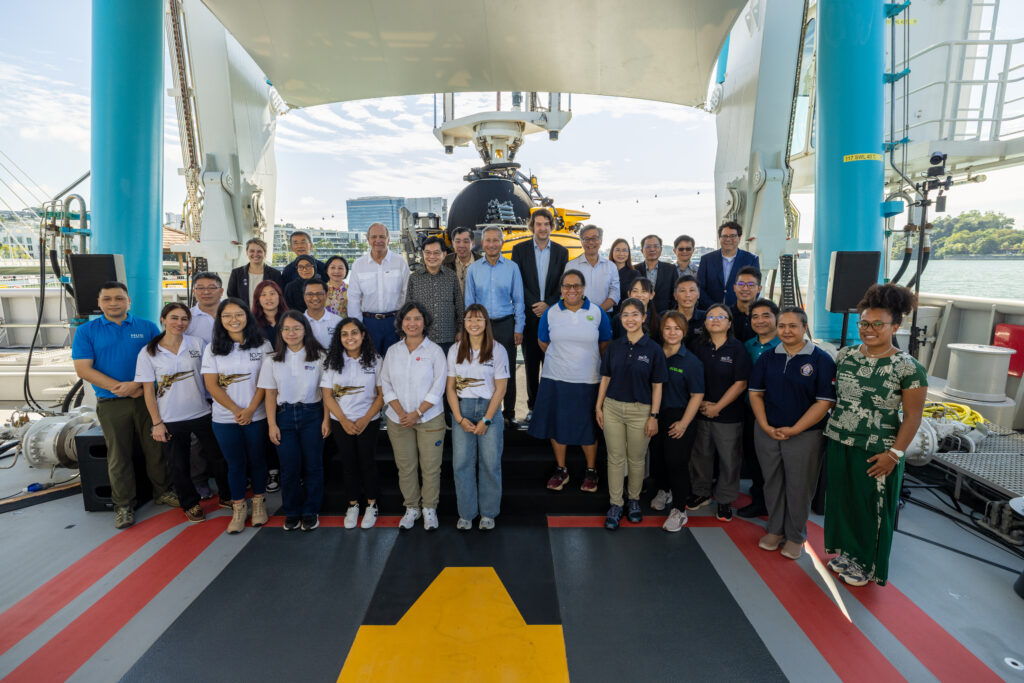
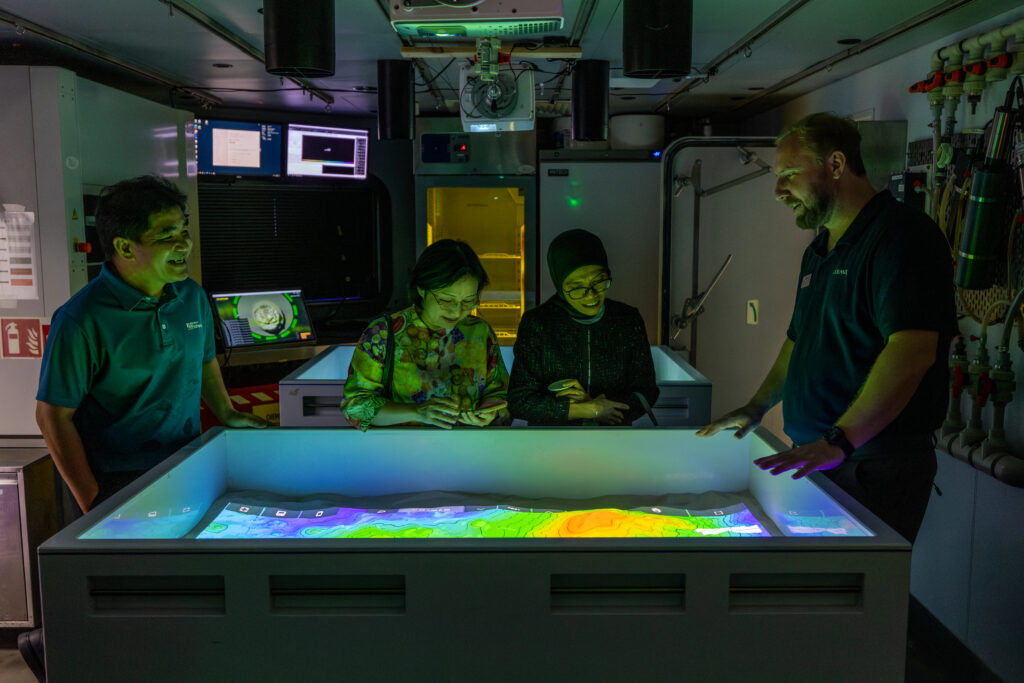
The mission brings together scientists from Singapore, ASEAN Member States, and Small Island Developing States, who will collaborate with OceanX’s global research team to map and document more than 17,000 square kilometres of deep-sea terrain. It marks an important step in strengthening global collaboration for marine biodiversity research and conservation in the High Seas.
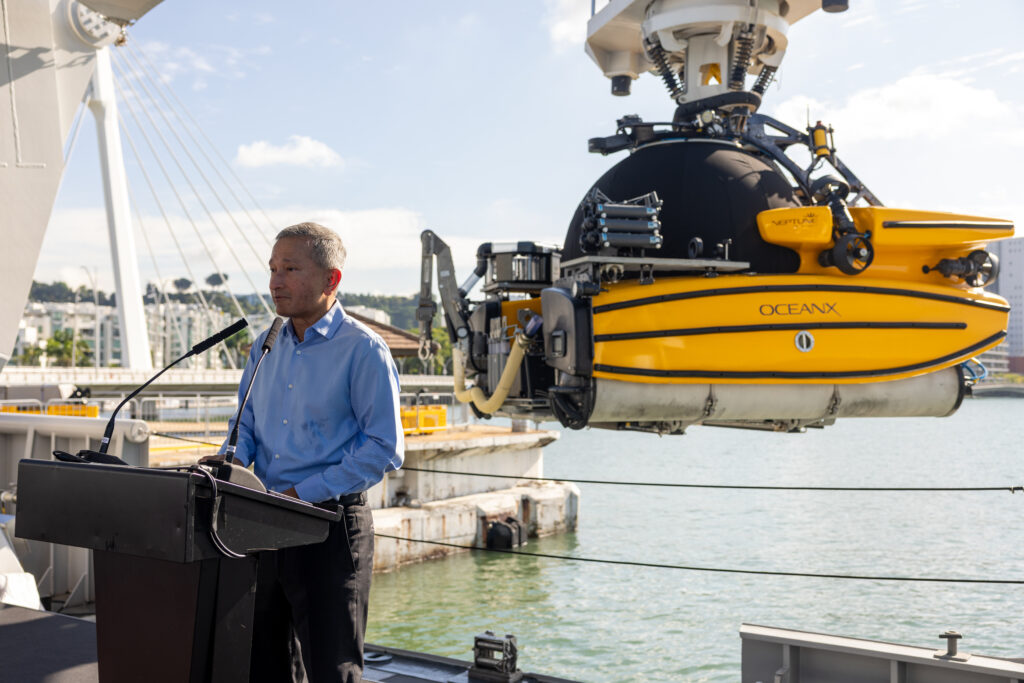
“Singapore is committed to the inclusive implementation of the BBNJ Agreement which taps on the expertise of ASEAN and Small Island Developing States. The collaborative approach will contribute to capacity building, and the fair and equitable sharing of benefits from marine scientific research in the high seas,” said Minister for Foreign Affairs, Dr Vivian Balakrishnan
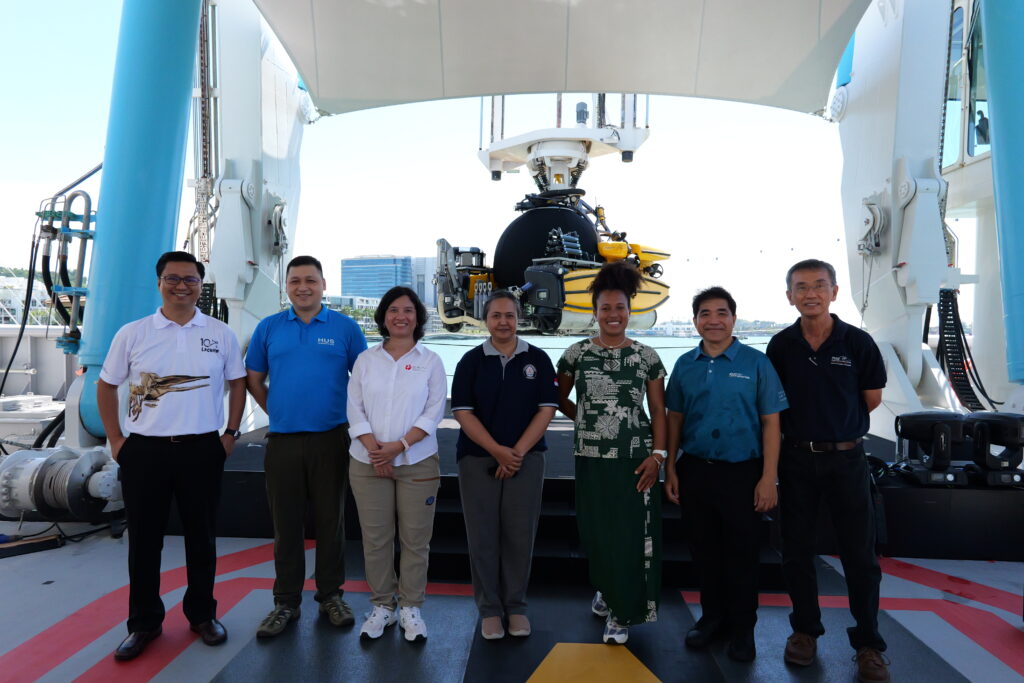
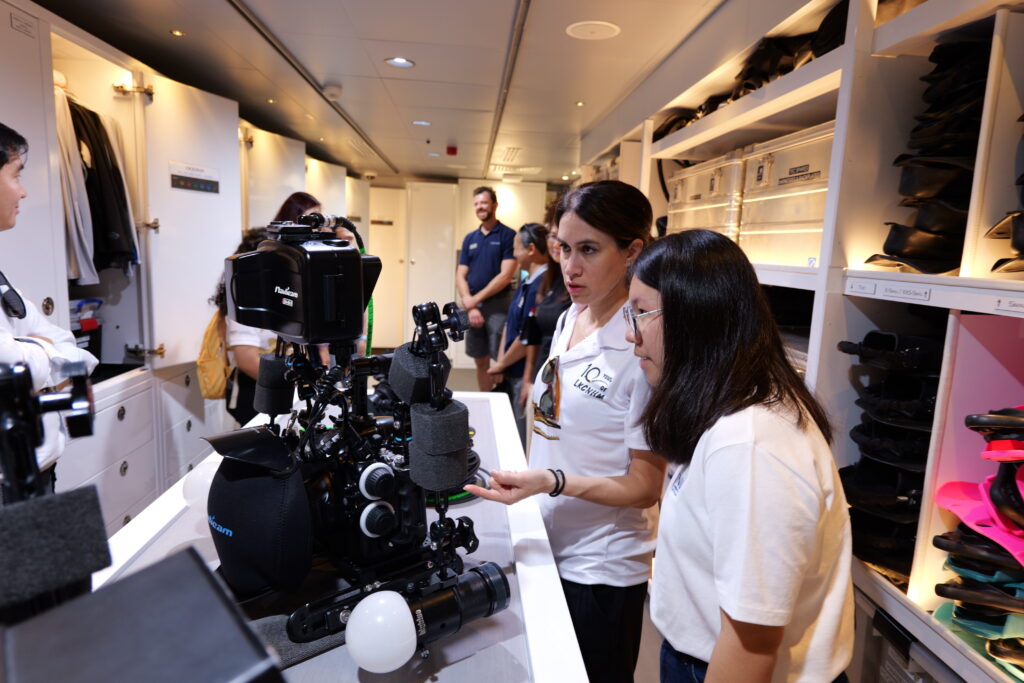
Using biological samples obtained from various depths and areas of selected seamounts and using a wide repertoire of collecting equipment deployed from the vessel, the researchers will generate the first biodiversity baseline for this region and strengthen Singapore’s role as a hub for international marine science. Findings will be shared through peer-reviewed publications and open access to support international conservation and sustainable ocean management.
“Such capabilities will enhance the university’s extensive sustainability research, in particular advancing technological and nature-based solutions to fight climate change and biodiversity loss,” said NUS President Professor Tan Eng Chye.
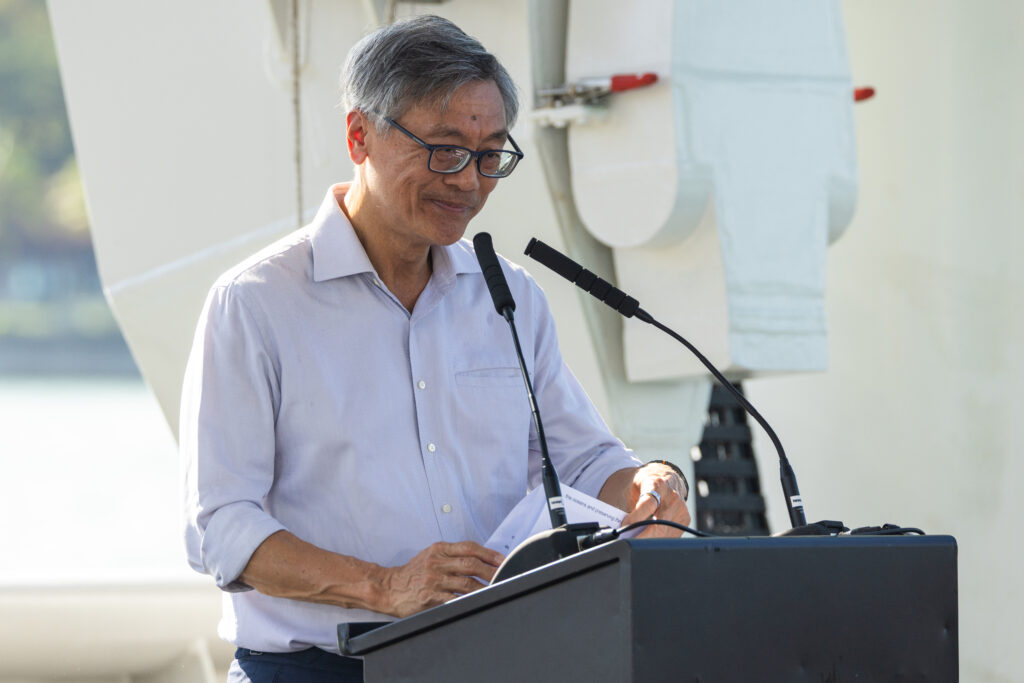
He also said that NUS strives to establish a nexus of marine science research, connecting and working closely together with policymakers, businesses, communities, and researchers from other Singapore institutes of higher learning, ASEAN countries and beyond.
NUS, particularly the Lee Kong Chian Natural History Museum and the Tropical Marine Science Institute with St John’s Island National Marine Laboratory, have been active in marine biodiversity surveys of Singapore as well as the Indo-West Pacific region. In 2018, together with the Indonesian Institute of Sciences (LIPI) and under the umbrella of the RISING program of the governments of Indonesia and Singapore, it organised and conducted the first intra-ASEAN deep-sea cruise, discovering hundreds of new taxa from the depths of southern Java and Sunda Straits.
“For Singapore and NUS, this expedition is both a scientific breakthrough and a regional milestone. It strengthens our deep-sea research capacity, builds collaboration across ASEAN, and positions Singapore as a hub for international marine science,” said Professor Peter Ng, Mission Lead from the Lee Kong Chian Natural History Museum (LKCNHM) and Tropical Marine Science Institute (TMSI).
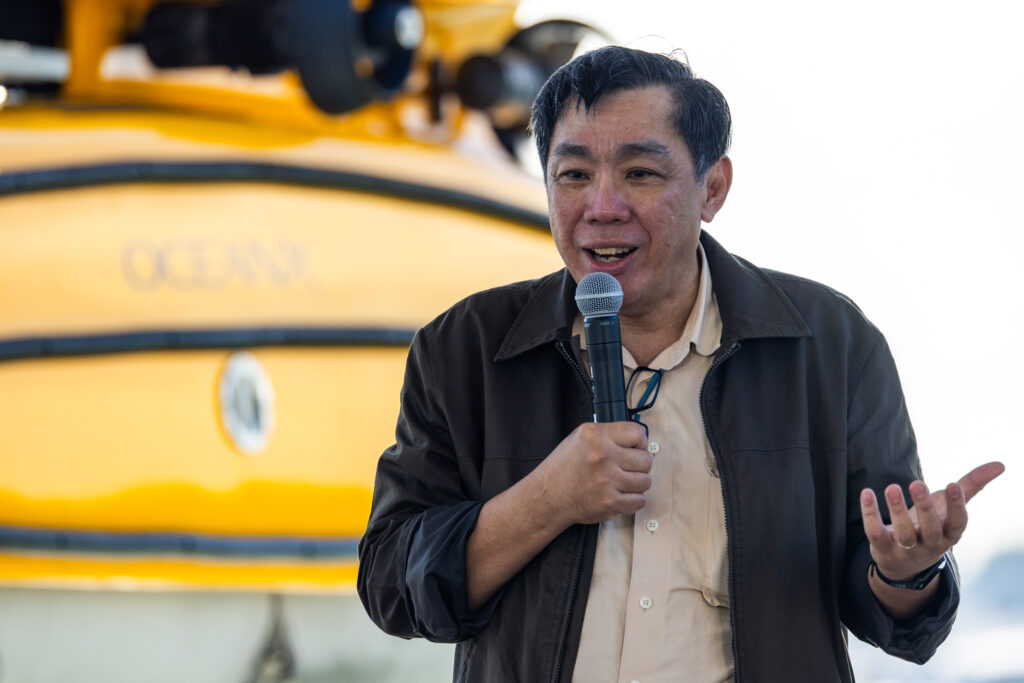
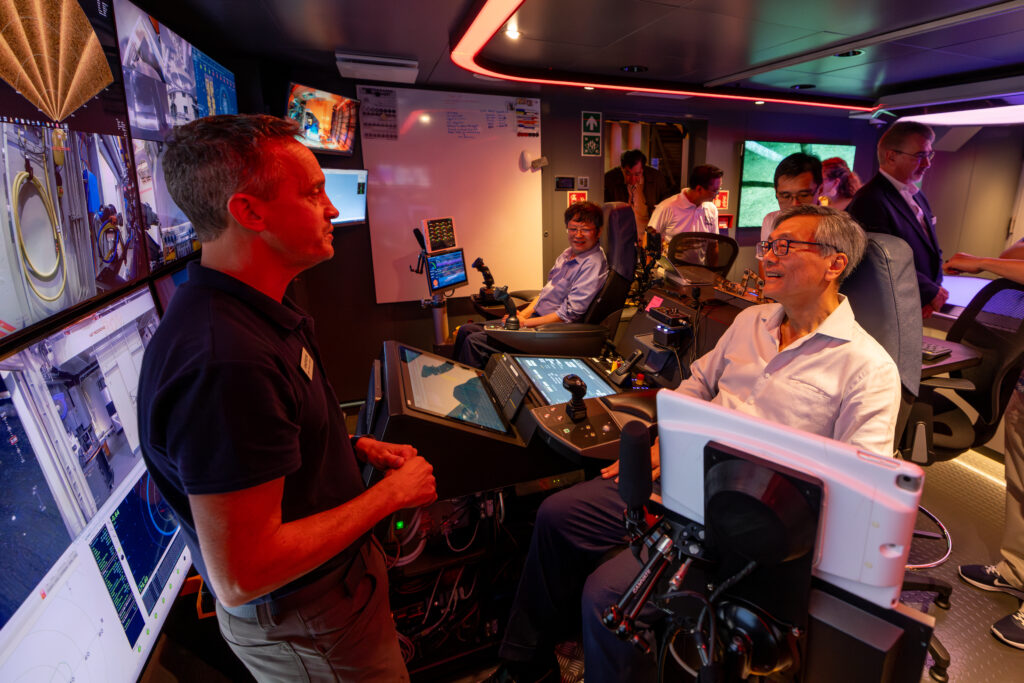
In this mission, OceanX will contribute advanced science, technology, and global storytelling platforms that connect discoveries with the public, while NUS will provide the scientific leadership and will curate specimens at the Lee Kong Chian Natural History Museum.
Written by: Mavis Goh