

Singapore, 1 June 2026—Scientists from the Lee Kong Chian Natural History Museum (LKCNHM) within the Faculty of Science at the National University of Singapore (NUS), have identified the baleen whale carcass recovered from Singapore waters in September 2025 as a sub-adult male Omura’s whale (Balaenoptera omurai), a species only formally recognised as new to science in 2003.
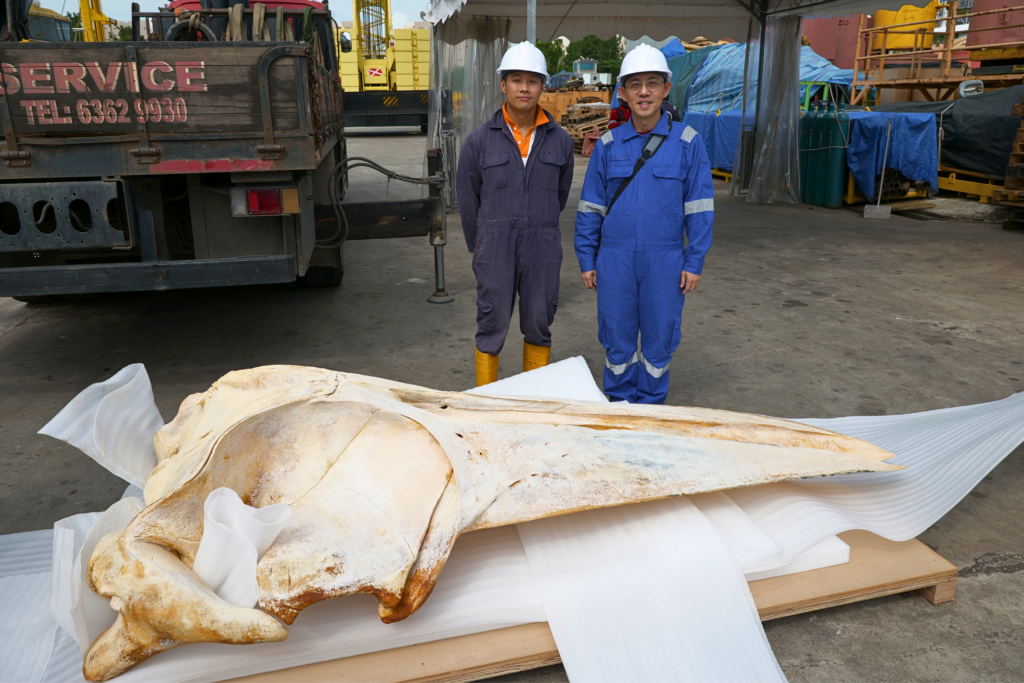
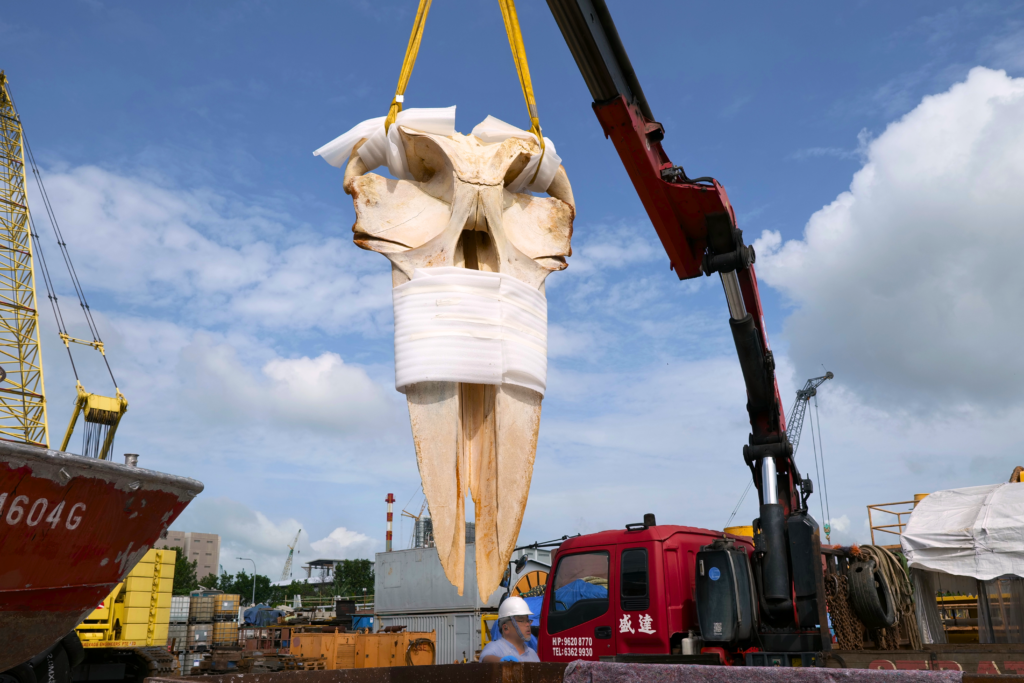
Dr Marcus Chua, Curator of Mammalia at LKCNHM and Dr Tan Swee Hee, Assistant Head of LKCNHM standing in front of the 2.6 m-long Omura’s Whale skull. (Photo credit: Lee Kong Chian Natural History Museum, National University of Singapore)
Since the start of the salvage operations, LKCNHM scientists have been working to confirm the whale’s species and learn more about its biology.
Determining the whale’s species and sex proved particularly challenging because of its advanced state of decomposition, which meant that external features such as colouration, markings, and most internal organs had already been lost.
By analysing DNA extracted from tissue samples and examining the shape of the skull, Molecular Lab Manager, Ms Jayanthi Puniamoorthy, and Assistant Senior Curator of Mammalia, Dr Marcus Chua, identified the whale as a sub-adult male Omura’s whale.
“Omura’s whales are among the least understood baleen whale species in the world,” said Dr Chua. “Most records of the species come from the warmer coastal waters of the Indo-West Pacific, including Southeast Asia, where sightings and strandings have been documented in Indonesia, Malaysia, the Philippines, Thailand and Vietnam. This identification highlights how scientific salvage work can help fill critical knowledge gaps about poorly understood whales and support research into their biology.”
Further examination of the skeleton also revealed evidence of injuries consistent with a ship strike, which is believed to have caused the whale’s death. Additionally, the team also observed signs of an earlier traumatic injury that the whale had survived prior to its fatal injuries.
Preparing the skeleton for preservation and public display
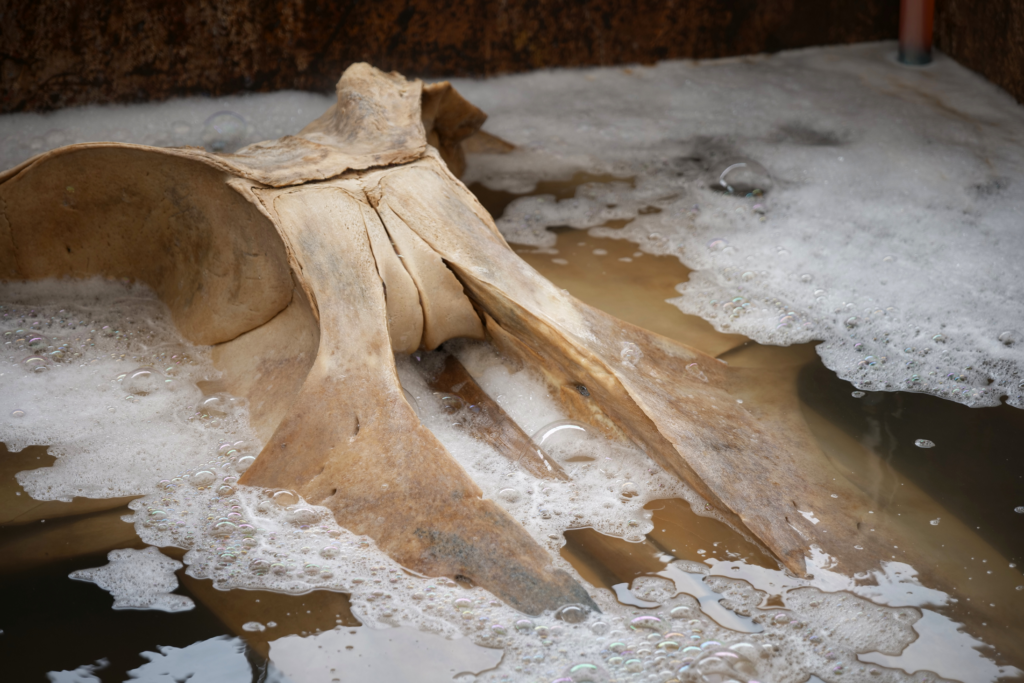
Following the completion of defleshing work in September 2025, the Museum team began the next phase of preparing the skeleton for long-term preservation through a degreasing process carried out between October and December 2025, followed by a second one in April 2026. Using degreasers, hydrogen peroxide and industrial heating equipment, the team removed oils naturally present in whale bones, which can otherwise turn rancid or attract pests over time.
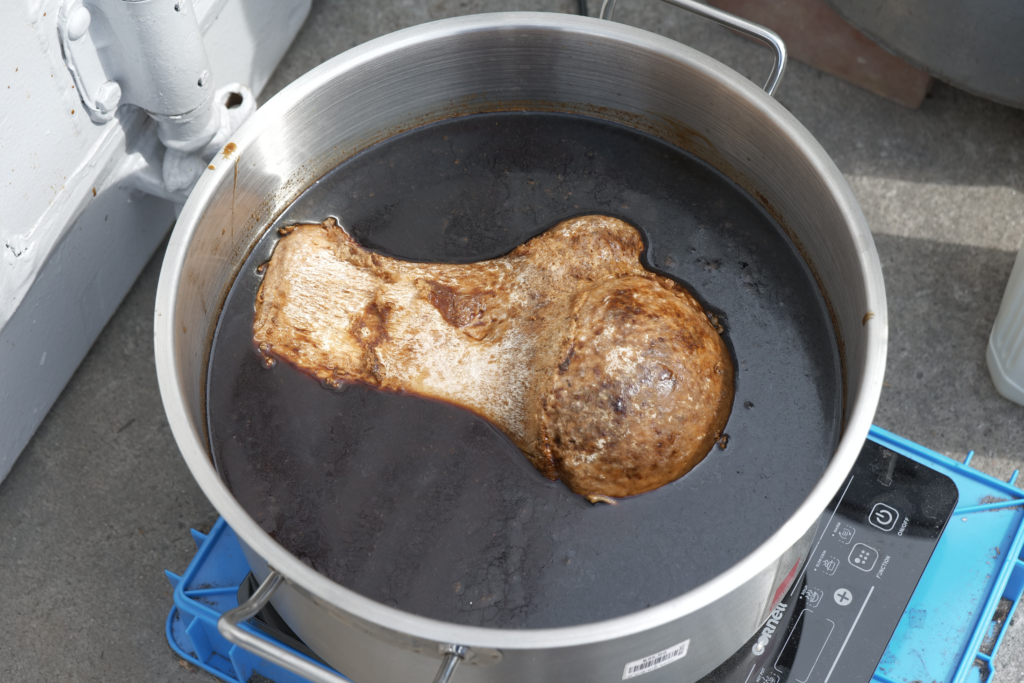
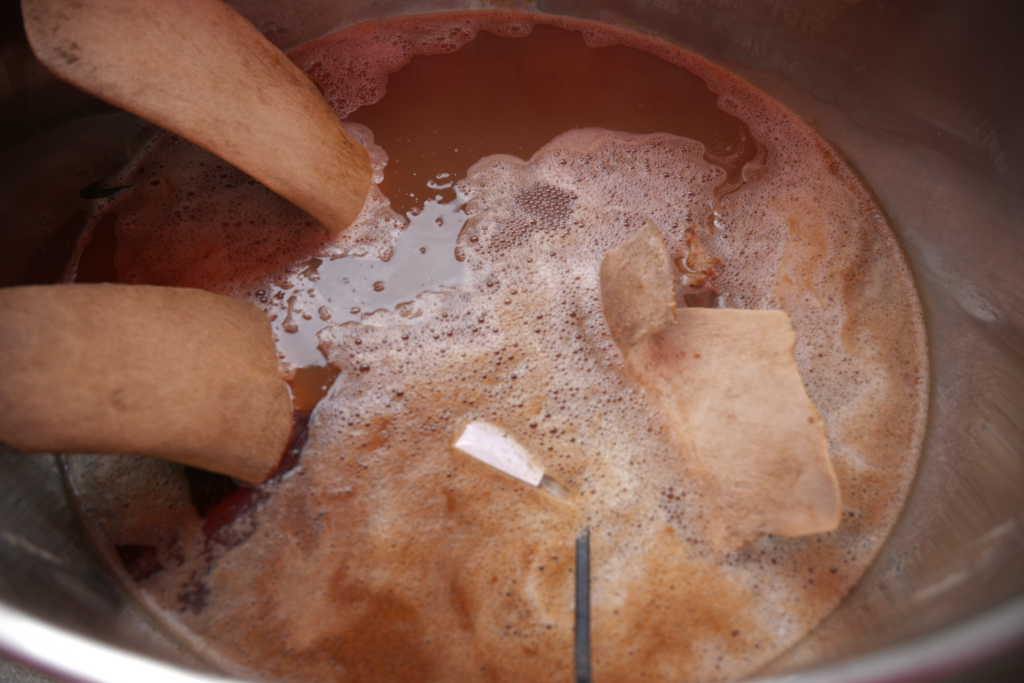
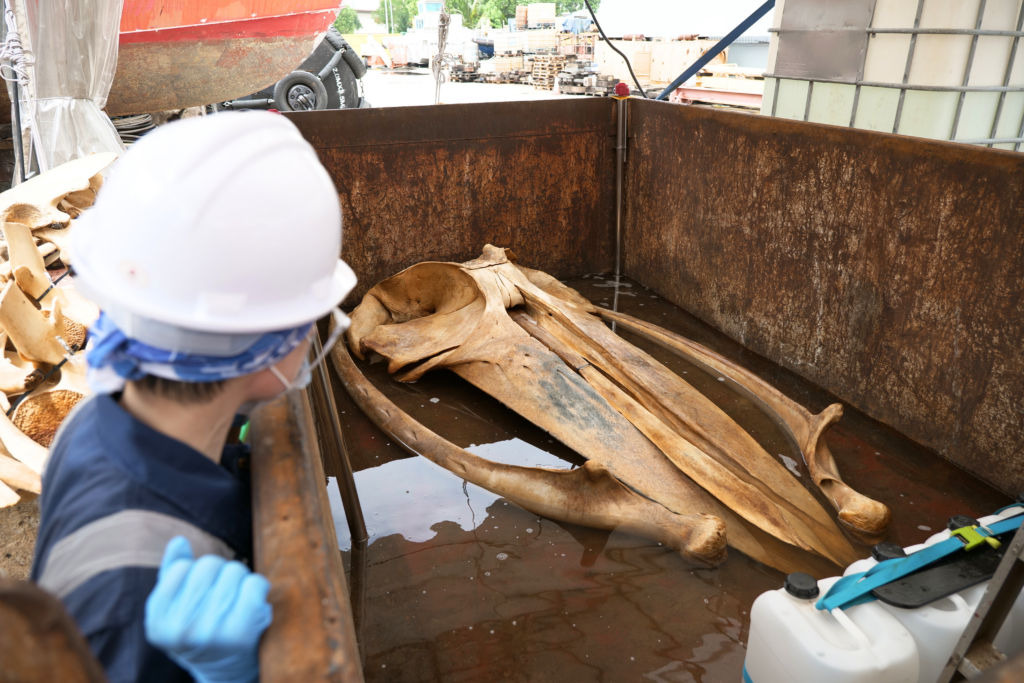
The whale’s 2.6 m-long skull posed the greatest challenge as it was too large to fit into the Museum’s degreasing pots and had to be treated separately in a specially prepared tank. Several bones required multiple rounds of degreasing, with the skull undergoing six treatment cycles before the process was halted due to increasing fragility.
Once fully preserved, the skeleton will eventually be displayed in the Museum’s gallery and support public education in the future. Further details, including exhibition plans, will be shared at a later date.
Fundraising initiative
The Museum aims to transform this extraordinary find into an immersive learning experience for the nation. To support this effort, the Museum is seeking philanthropic support for the display of the specimen and the development of a dedicated education programme on marine mammals and ocean giants for schools. Contributions will also support ongoing research on Singapore’s marine and coastal environments. Learn more about supporting the initiative here.
Read the NISBR journal article here.
News coverage on the Omura’s whale found in Singapore’s waters:
Lianhe Zaobao: 丹戎巴葛须鲸遗骸是雄性大村鲸 李光前自然历史博物馆筹百万元展骨架
8World: 鲸骸解剖研究公布 罕见生物信息有助国际评估保育
(Video) CNA: Omura’s whale carcass found in Singapore last year sheds light on lesser-known species