

This year’s installment of our annual Aspiring Naturalist Programme delved into the very foundations of the Museum’s work: species identification and specimen preservation. We were joined by 95 participants over 4 days of workshops, with some repeat visitors who sought the full experience! At the very end, participants were presented with a certificate of completion.
The Museum’s Education Team developed three workshops that covered different topics: species identification, wet preservation, and dry preservation. Each workshop began with a specially curated tour around the gallery and/or collections, followed by a talk by an expert from the Museum, then finishing off with hands-on activities using real specimens.
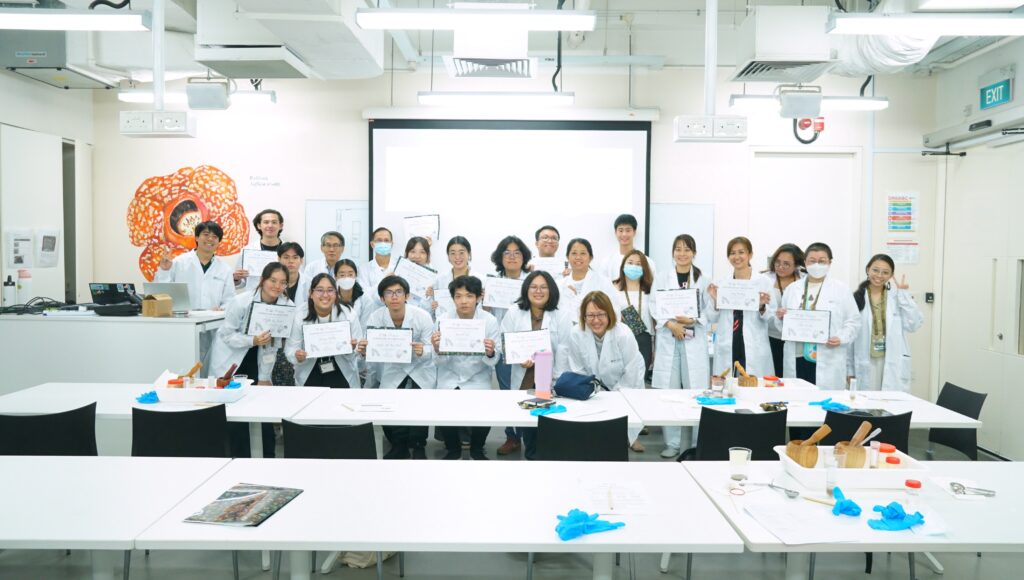
Introduction to Species Identification Workshop
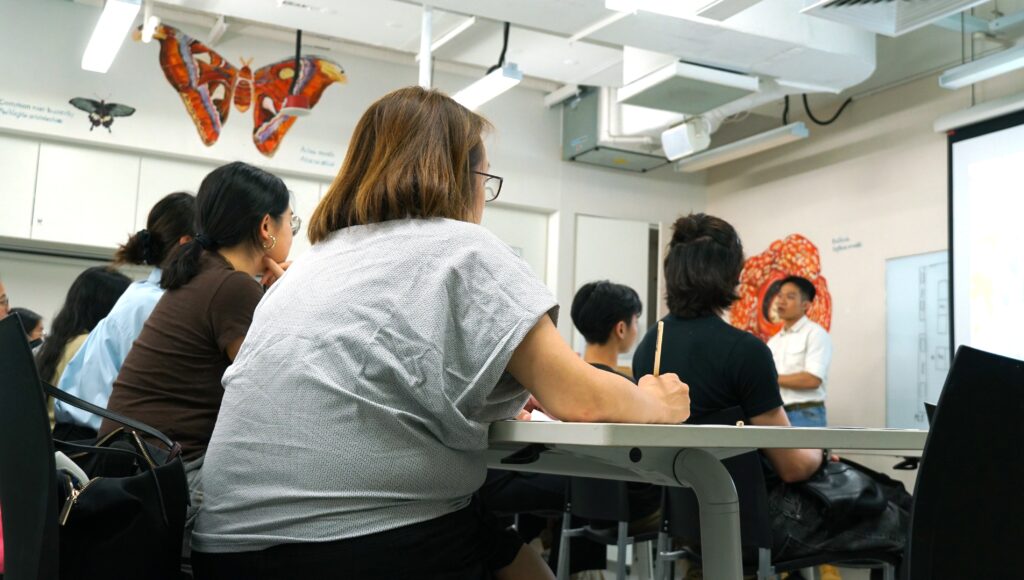
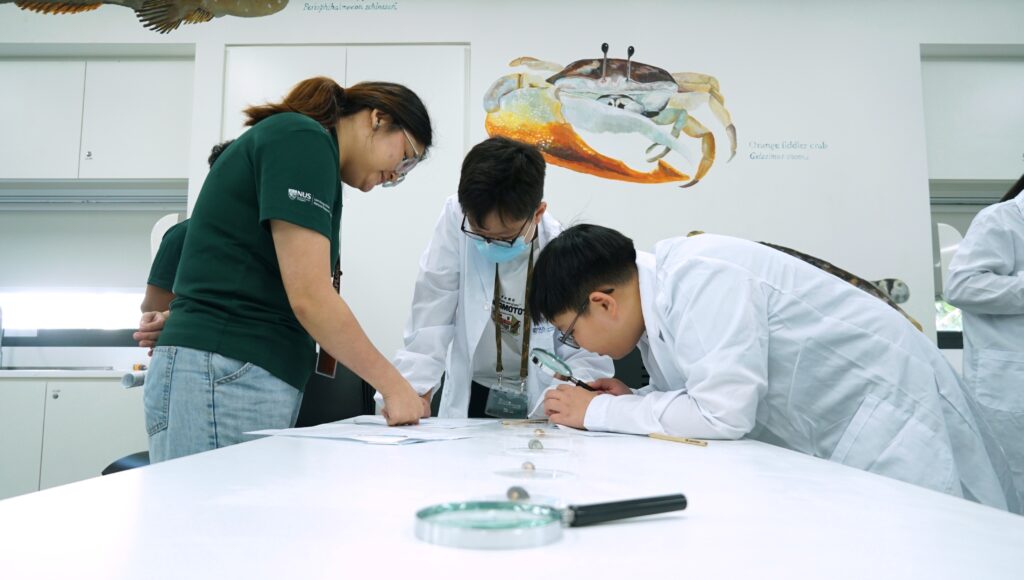
This workshop answered the fundamental questions of why and how we identify species. Throughout a tour of the Museum gallery, the guides pointed out various examples of species diversity, before the participants tested their species identification skills on real nerite specimens. They also gained insight into the Museum’s species identification pipeline in a talk by Mr Foo Maosheng, the Museum’s Curator of Insects and the cryogenic collection.
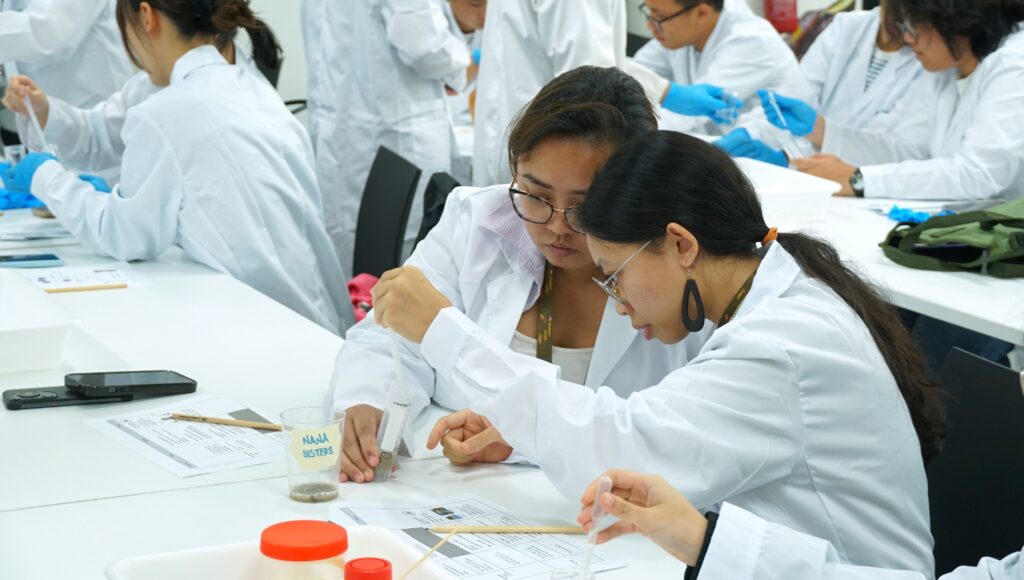
Lastly, participants practiced basic DNA extraction techniques on frozen superworms. Taxonomists may compare the DNA of different species and group them by similarity.
Introduction to Wet Preservation Workshop
First, participants enjoyed a guided tour of the public gallery and private wet collection, where their guides shared the history and science behind selected specimens.
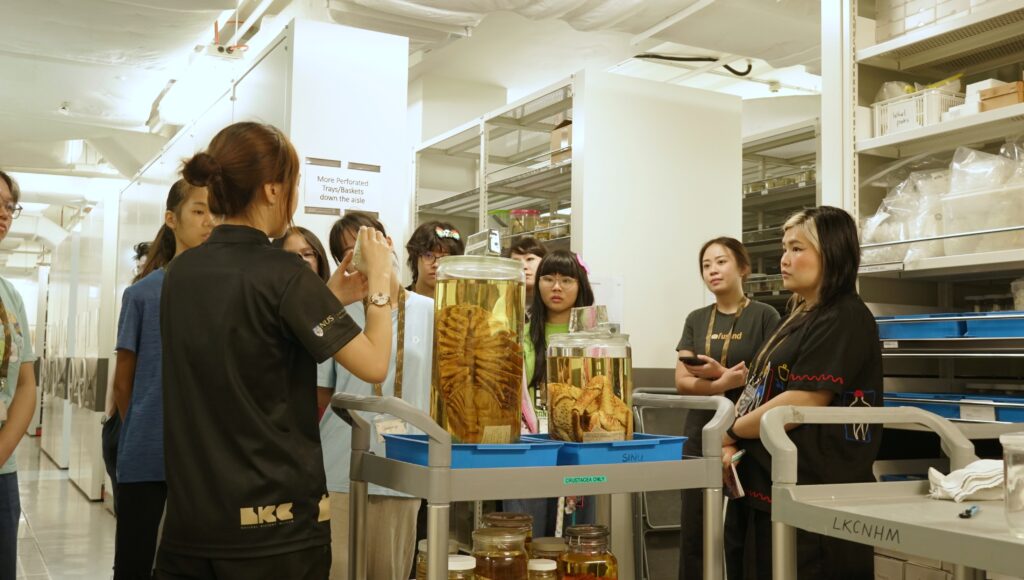
Then, they attended talks and demonstrations by two Museum experts who use wet preservation techniques: Ms Tashfia Raquib, who specialises in Cnidaria, Echinodermata, and worms, and Dr Tan Heok Hui, who specialises in fish.
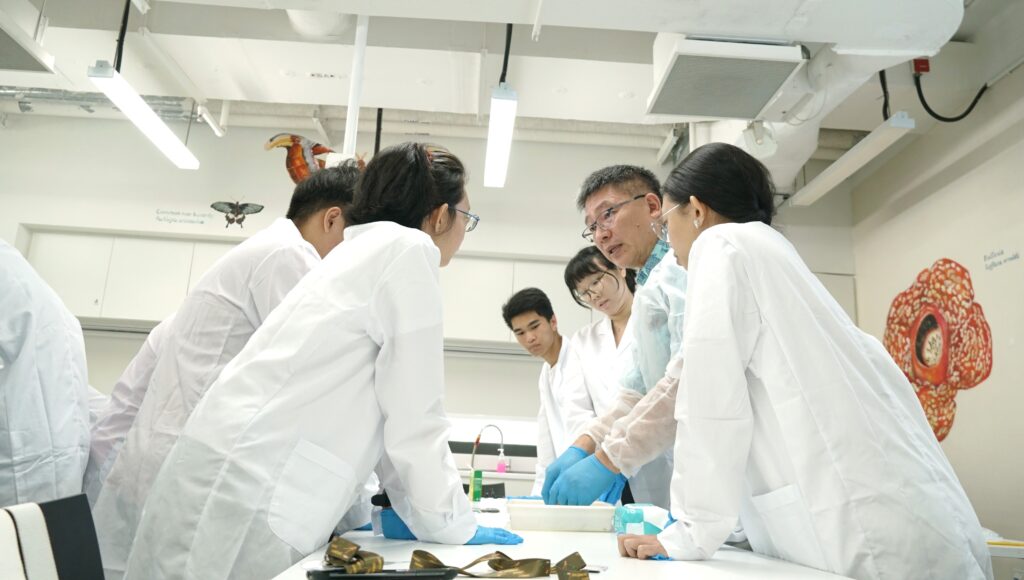
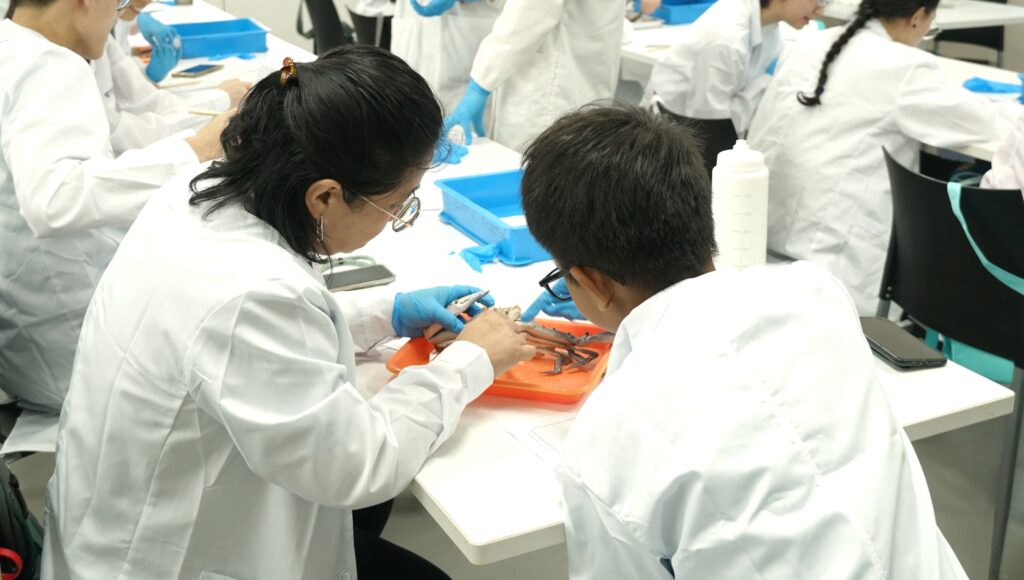
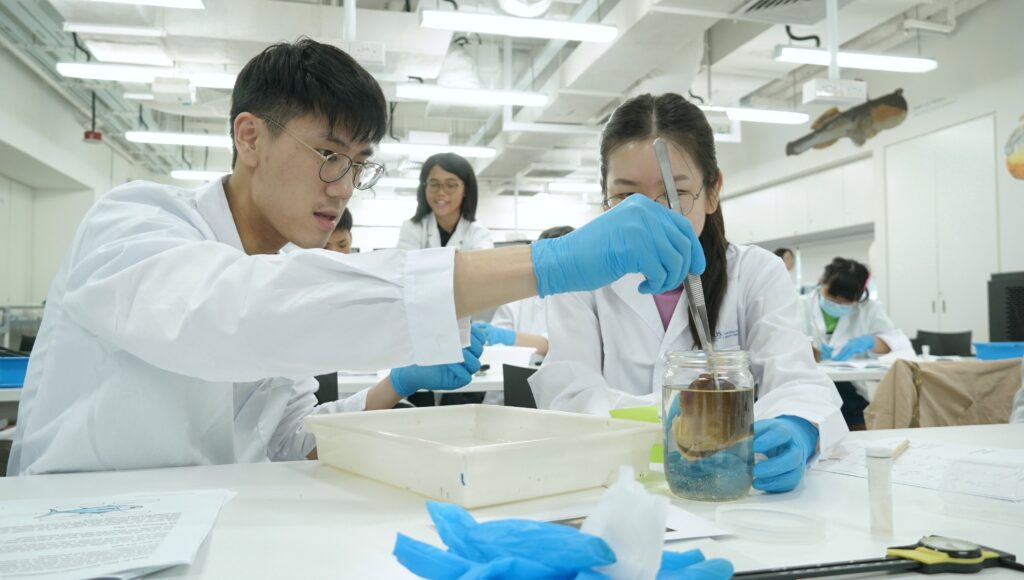
After the demonstration, the aspiring naturalists got to try their hand at wet preservation by identifying and sampling crabs, then rebottling old Museum specimens!
Introduction to Dry Preservation Workshop
Our last workshop focused on dry specimens during the collection tour and gallery tour, some of which even dated back to the 1800s.
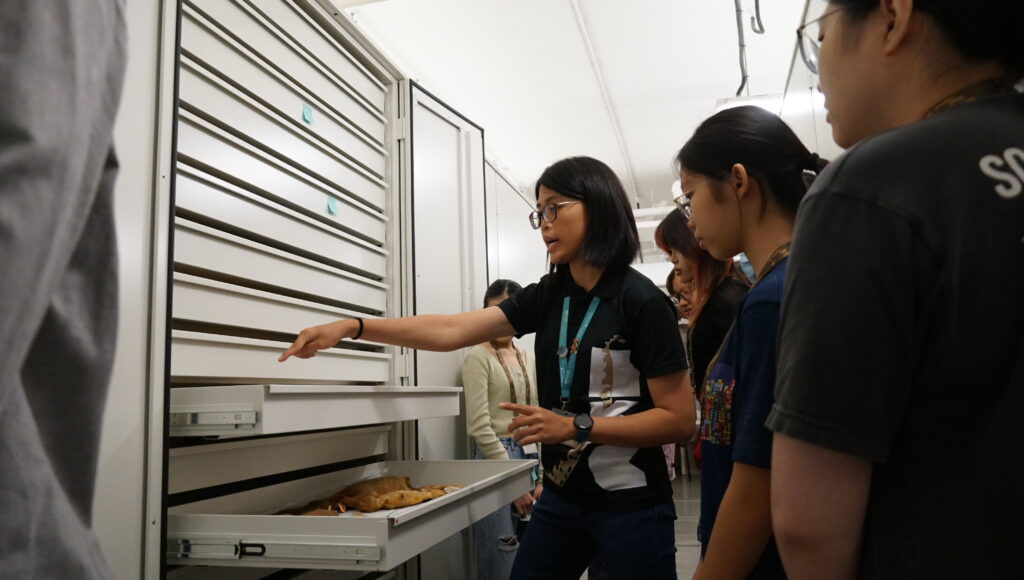
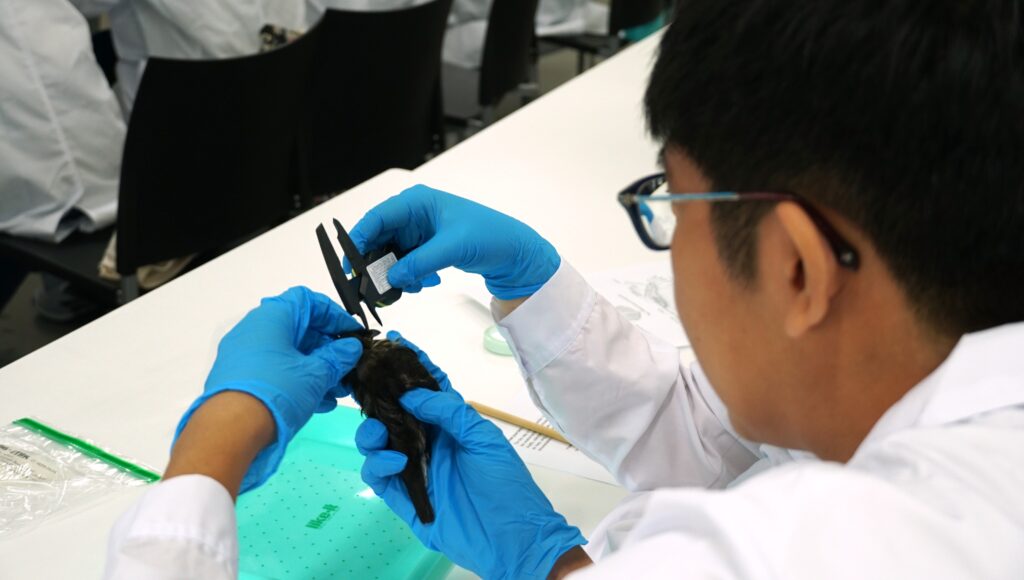
It was followed by a talk by the Museum’s Curator of Birds, Dr Tan Yen Yi, who spoke about her work and the types of birds that live in Singapore. She guided the participants through the customary steps of preparing a bird for preservation, such as taking the necessary measurements.
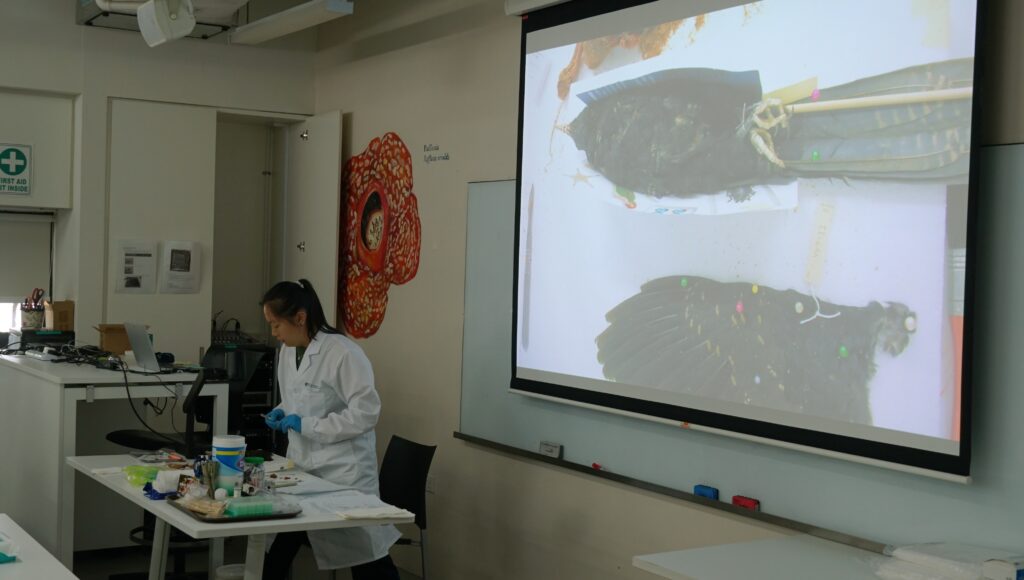
Dr Tan also demonstrated the entire preservation process: skinning, stuffing, and sewing up a specimen in an hour and a half!
That’s all for this year’s Aspiring Naturalist Programme! Hope to see you again next year!
Written by: Mavis Goh