

The tale of three whales
In September 2025, the Lee Kong Chian Natural History Museum salvaged a mysterious whale carcass drifting in Singapore waters. This was later revealed to be an Omura’s whale (Balaenoptera omurai), one of the world’s most understudied whale species and the first ever recorded in Singapore. While the whale skeleton will eventually be displayed at the Museum, did you know that there were two other whale carcass discoveries that have been or currently are on display in museums in Singapore? Let’s dive into the tale of three whales.
A whale above all museum visitors
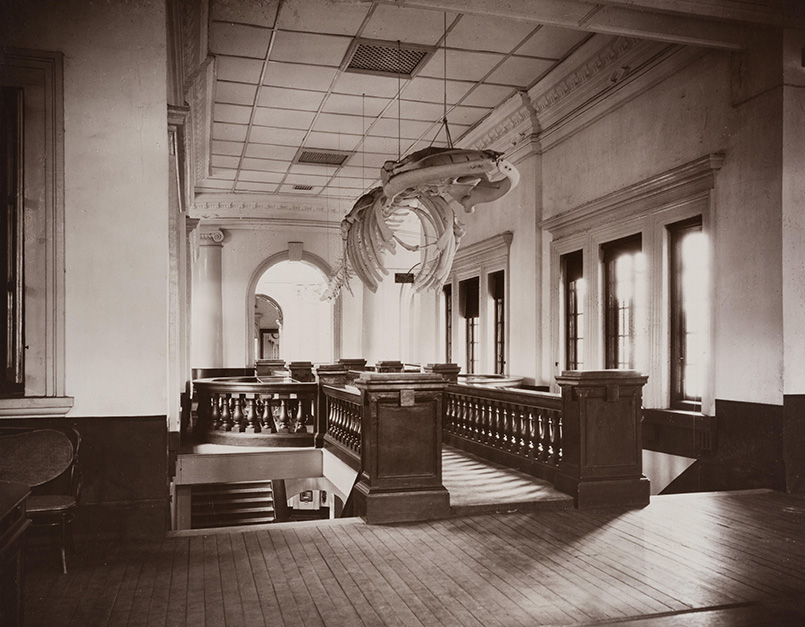
Remember the whale that once hung from the ceiling of the National Museum? For many Singaporeans, that enormous skeleton is a cherished memory. Suspended from the ceiling by steel cables, its massive ribs arched over the head of visitors between 1907 and 1974. But where did the whale skeleton come from?
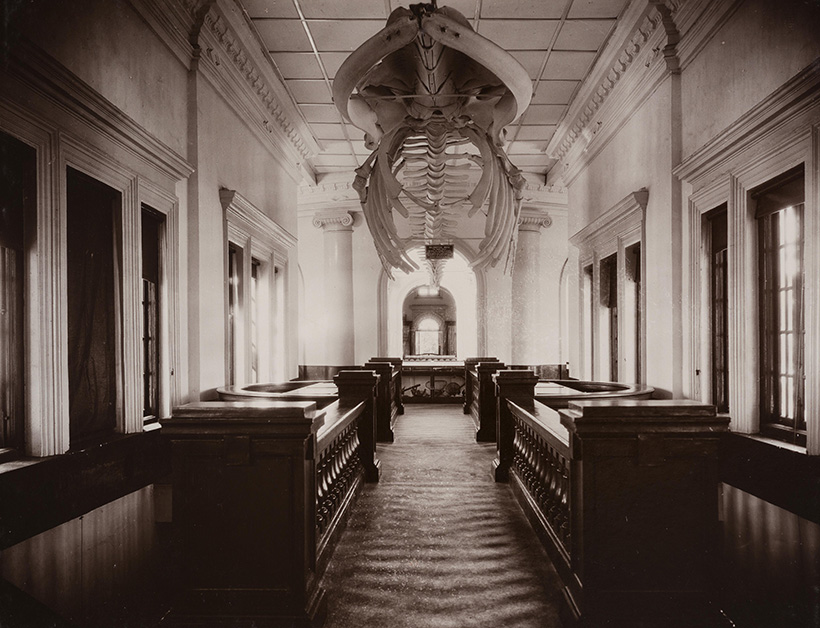
The story does not begin in Singapore, however. On 19 June 1892, a baleen whale was found stranded on the shores of Sebatu, a coastal settlement in Malacca (now Melaka in Malaysia). Newspaper reports recounted how the whale “took a week to die, making a great noise for about three days”. Recognising its scientific importance, the Resident Councillor of Melaka, Dudley F. A. Hervey, arranged for the skeleton to be prepared and sent to Singapore.
Yet, the whale’s journey was only beginning. When it arrived at the Raffles Library and Museum at Stamford Road, there simply was not enough space to display such a massive specimen. The skeleton patiently waited until the museum’s expansion work was completed.
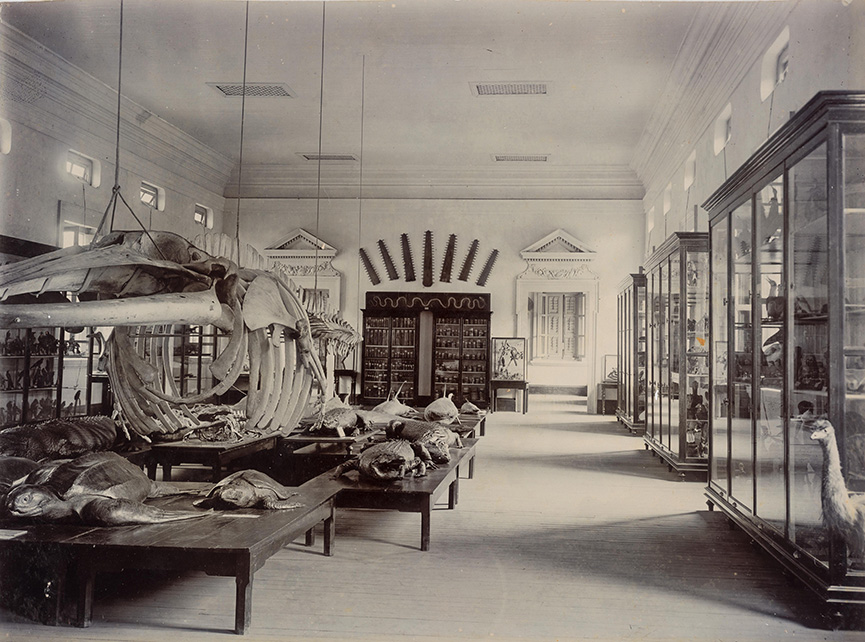
Finally, in 1907, the new exhibit was unveiled. Visitors were greeted by a sight to behold: a whale skeleton suspended from the ceiling by steel cables. At a time when few people had the opportunity to travel overseas and experience the natural world beyond their shores, the exhibit offered the closest encounter many would ever have with such a magnificent creature.
For more than 80 years, the whale skeleton remained one of the most memorable exhibits in the museum. In 1974, however, the whale left Singapore. The specimen was presented to Malaysia and eventually became part of the collection of the Labuan Marine Museum, where it remains today.
Jubi Lee: Singapore’s first sperm whale
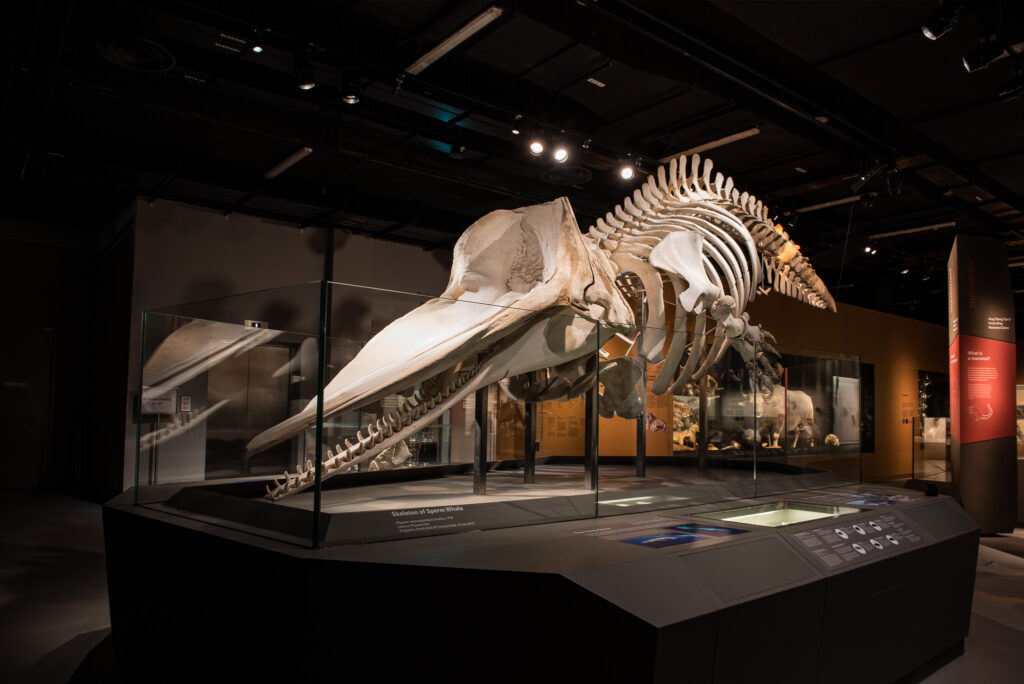
In July 2026, more than 40 years after the whale left the National Museum, and just months after LKCNHM opened its doors, a dead female sperm whale was discovered off Jurong Island. Measuring 10.6-metres long and weighing about ten tonnes, she became the first confirmed record of a sperm whale in Singapore waters. The whale was then nicknamed ‘Jubi Lee’, as a play on the word ‘Jubilee’, which was both the year the whale was found as well as the 50th anniversary of Singapore’s independence.
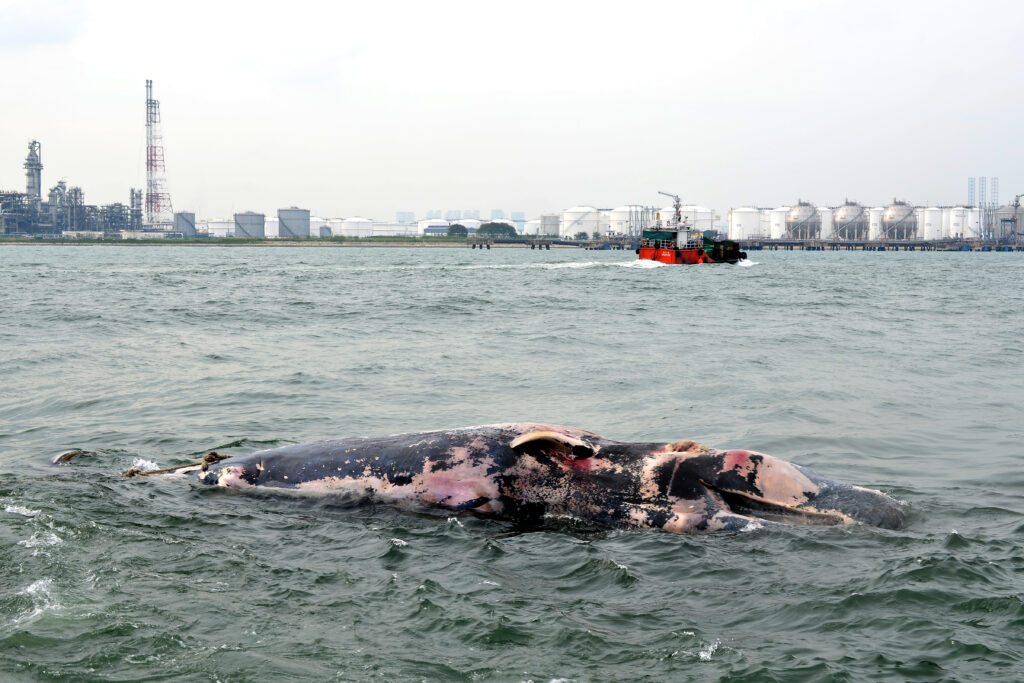
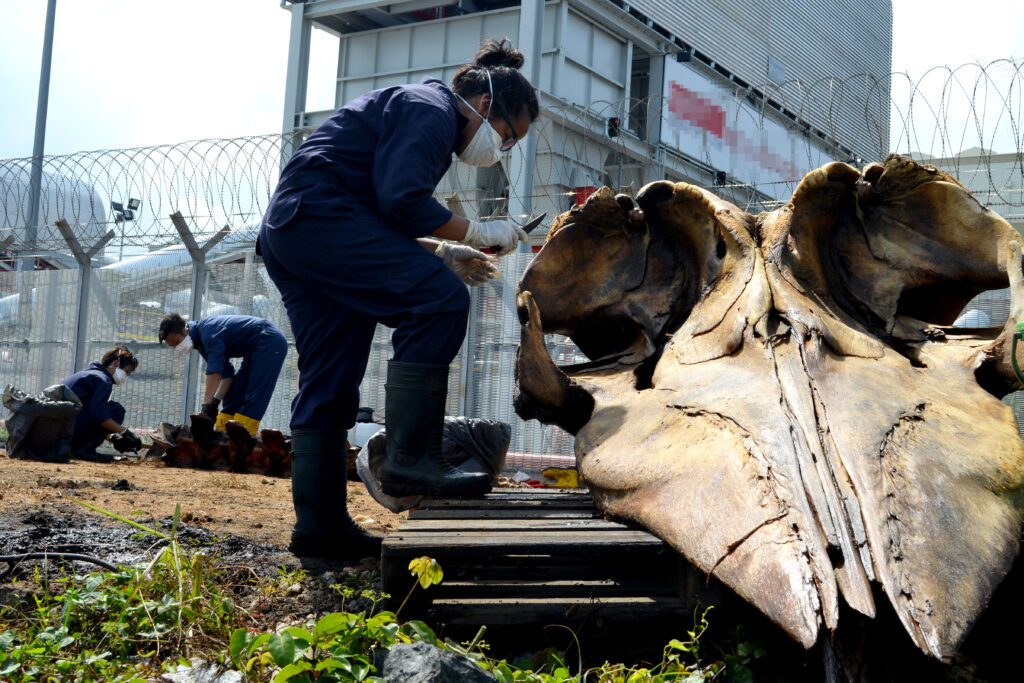
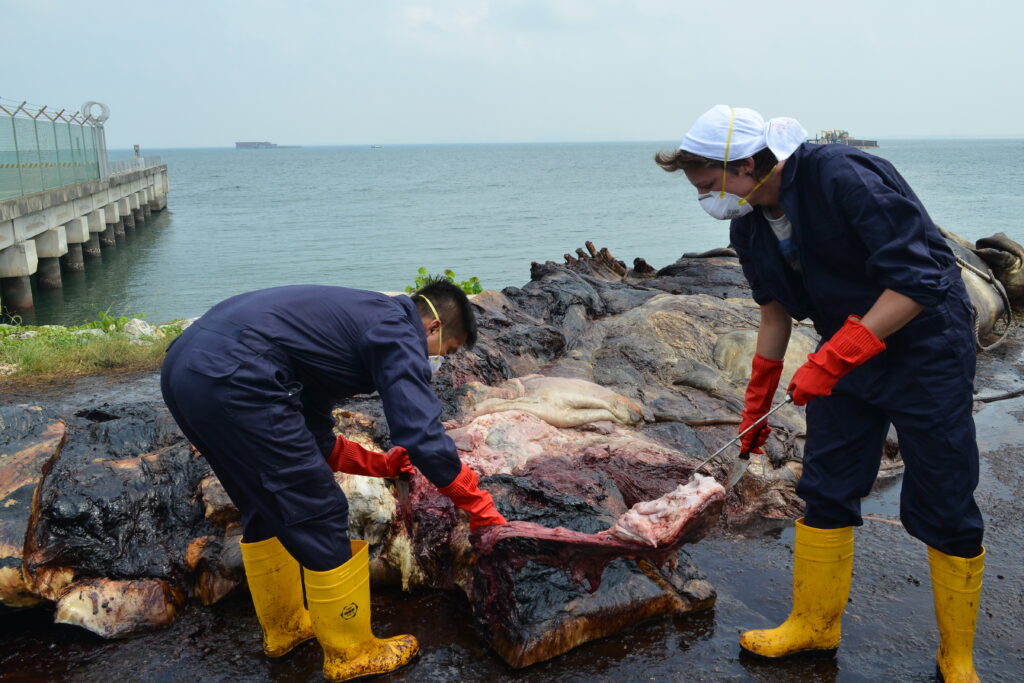
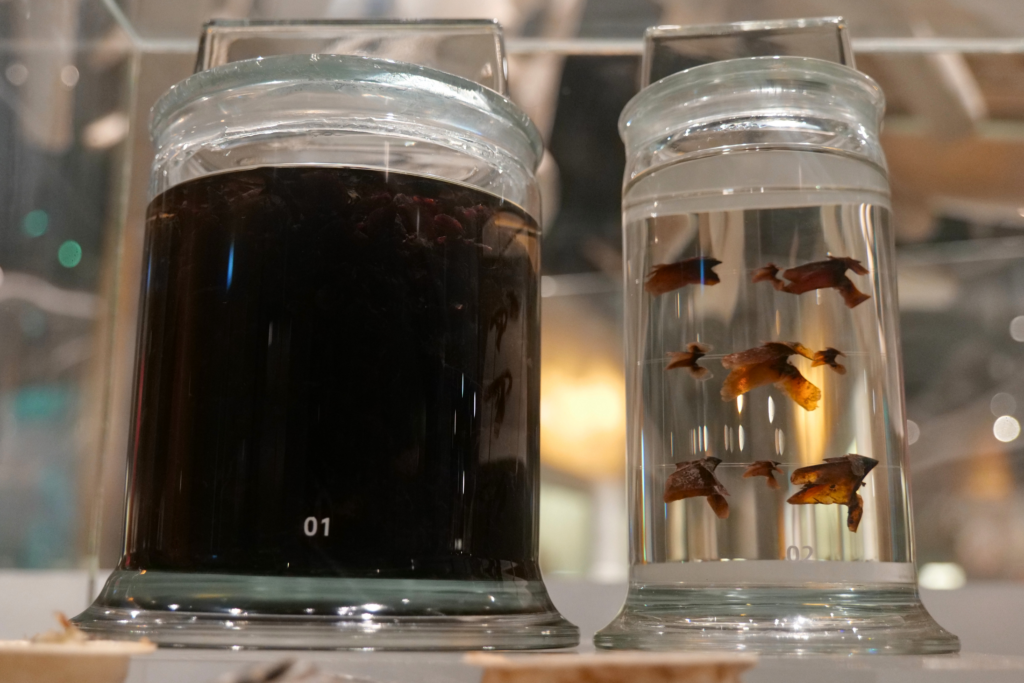
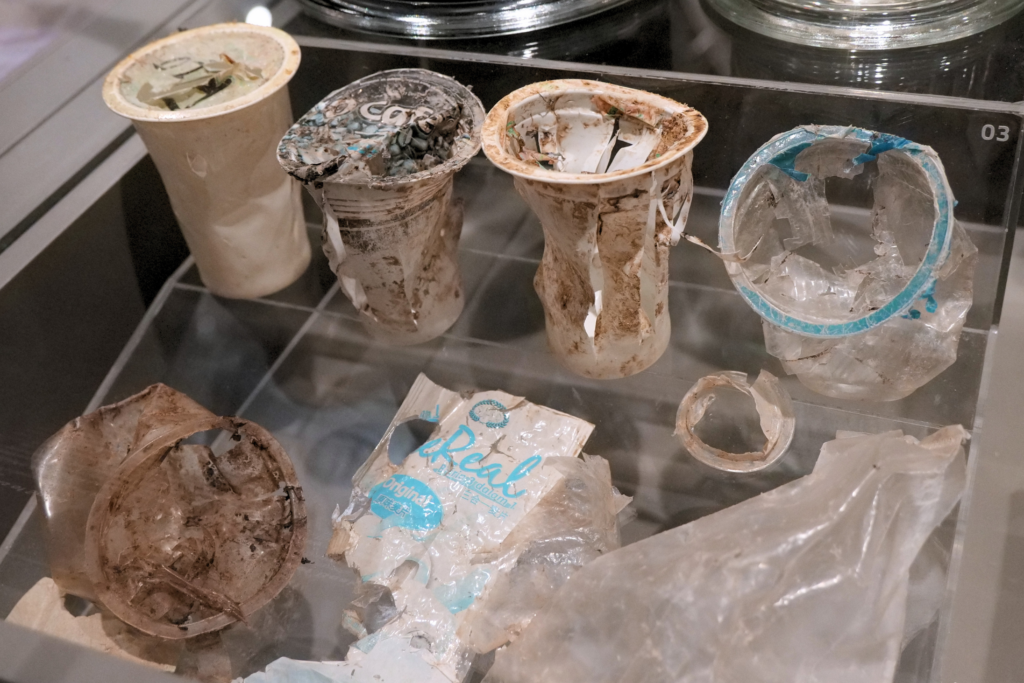
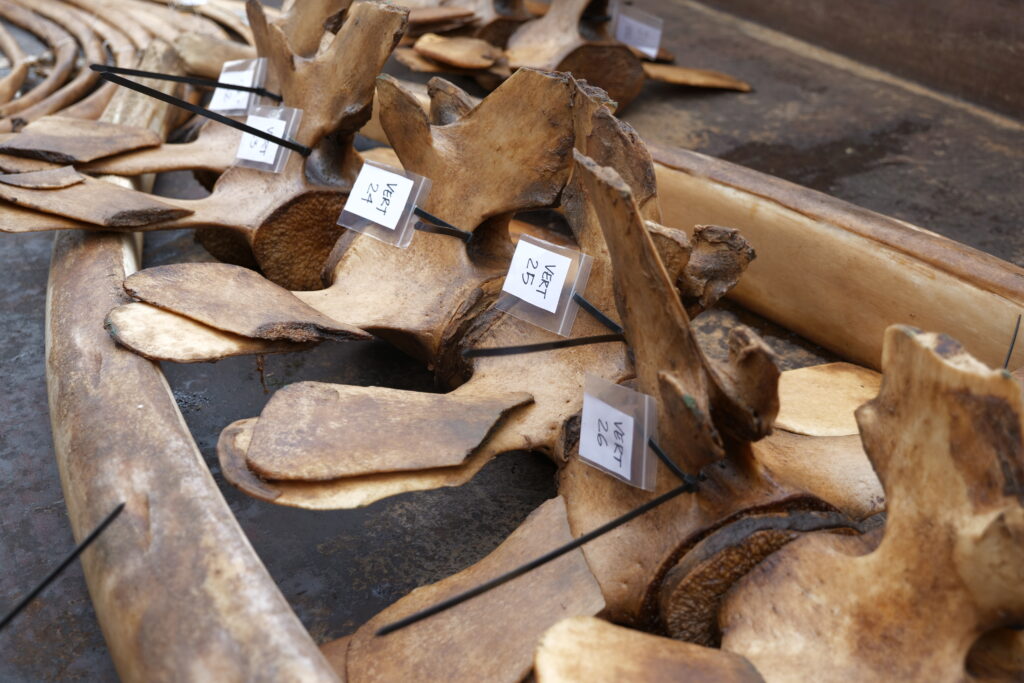
Recovering Jubi Lee was no simple task. The whale had to be salvaged, defleshed, cleaned, and carefully reconstructed before the skeleton could be mounted for display. Jubi Lee became more than a skeleton display. The large wound and shattered vertebra showed that she likely died after being struck by a ship, while her stomach contents containing deep sea squids and plastic, revealed the growing impact of marine pollution on ocean wildlife. The story of Jubi Lee lives on through the Museum’s display, connecting visitors to the richness of Singapore’s marine biodiversity and serving as a constant reminder of the human impacts on the marine environment.
The baleen whale
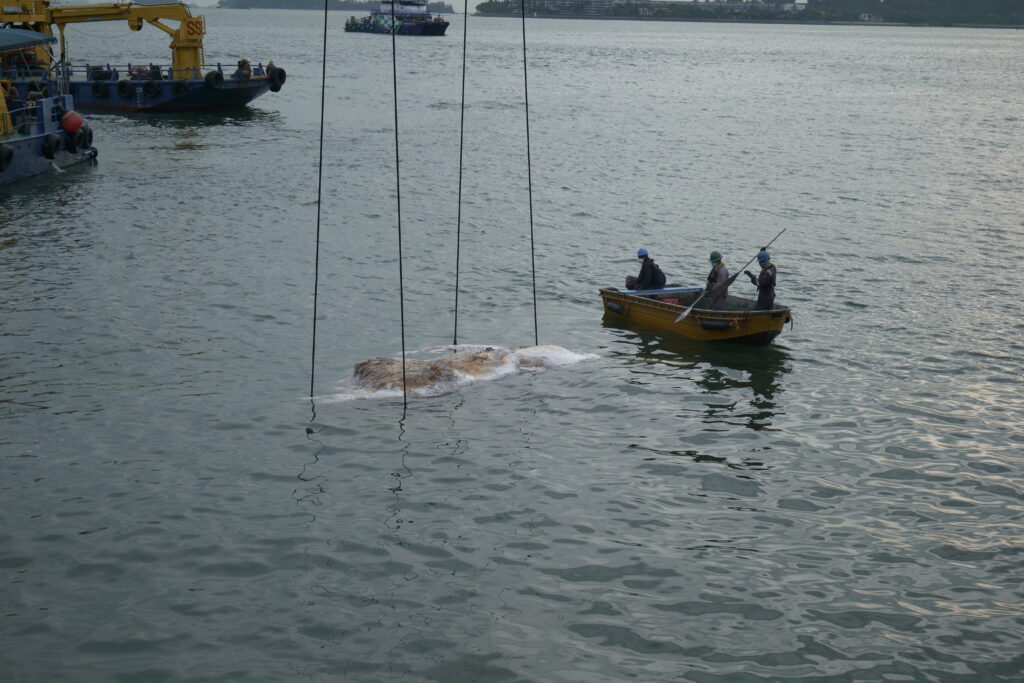
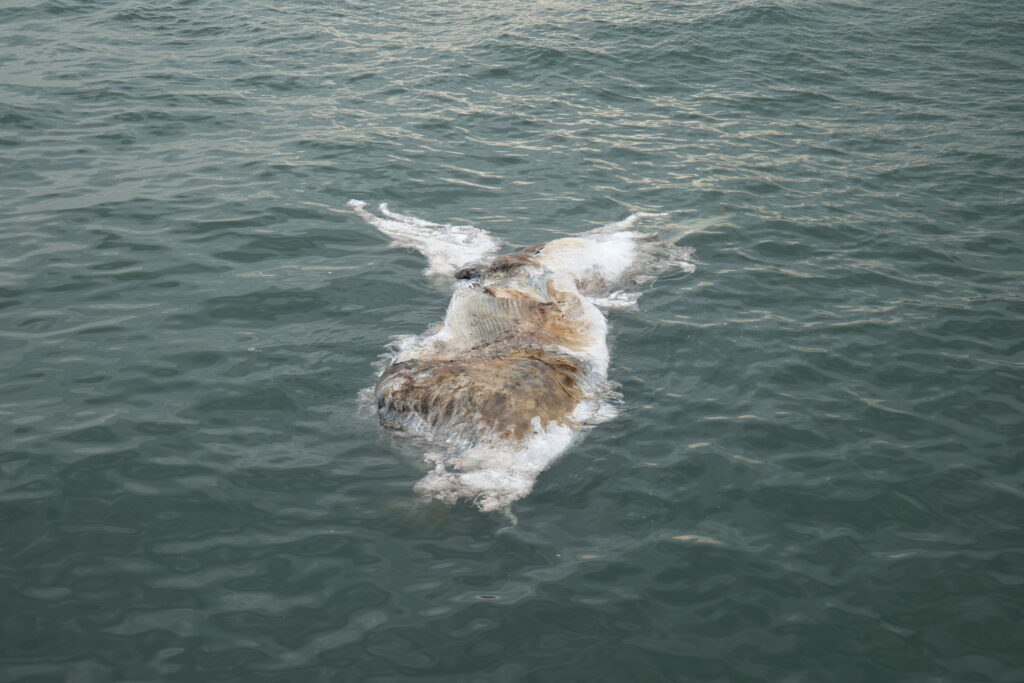
Then, almost ten years after Jubi Lee was found in Singapore waters, another whale appeared. On 6 September 2025, a whale carcass was discovered floating in the waters off Tanjong Pagar. The carcass later drifted towards Marina Bay Cruise Centre, where Museum staff worked with Singapore Salvage Engineers (SSE) to secure and recover the carcass.
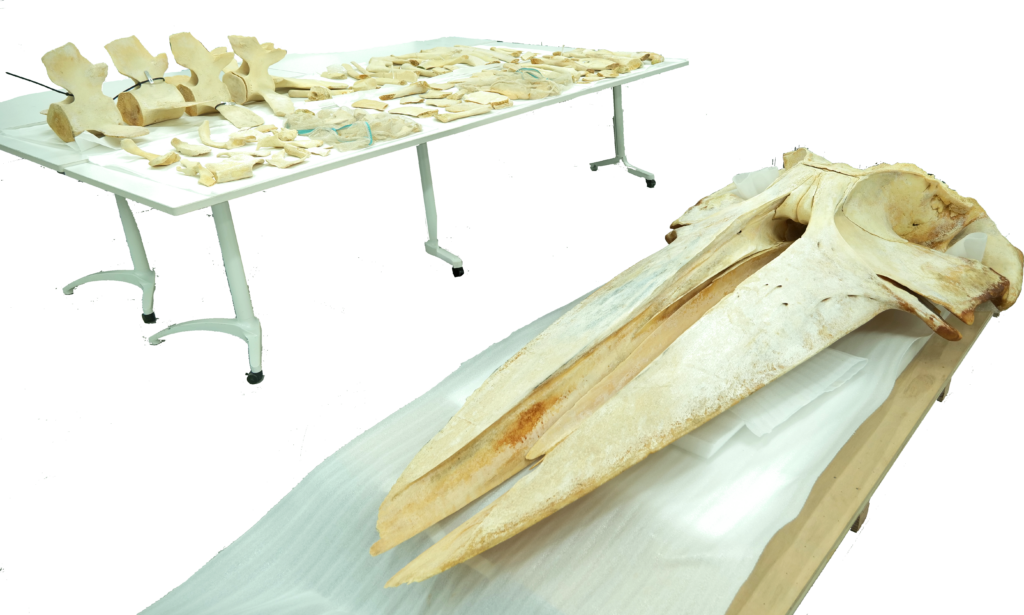
The whale presented numerous challenges. The carcass was already in an advanced stage of decomposition and much of the rear half of the body was already missing. During the salvage operation, one of the lower jaws detached and sank into the water, forcing a separate retrieval effort the following day. Museum staff collected tissue samples to discover more about the whale while beginning the preservation process. Initially, only identifiable as a baleen whale, the whale’s identity remained inconclusive. DNA analysis and detailed study of the skull eventually revealed the answer.
The specimen was found to be an Omura’s whale.
This discovery was significant not only because it was Singapore’s first ever record of the species, but also because Omura’s whales remain one of the least understood large mammals on Earth. Their distribution, behaviour and population sizes are still poorly known, making this specimen a scientifically valuable one.
Further examination suggested that the whale was a sub-adult male. Although measuring about 6.3-metres with its recovered half, the whale is estimated to be approximately 10.6-metres long when alive, based on the length of the skull. Similar to Jubi Lee, evidence suggests that it may have succumbed to injuries from a ship strike.
More than just bones
More than just grand public displays, whale skeletons also hold knowledge and stories that point us towards lessons about our environment and the world that we live in. This is especially so today, when scientific advances allow us to trace a dead animal’s life history and better understand how it got to where it did.
The stranded baleen whale from Melaka introduced older generations of visitors to the wonders of the marine environment when it went on display in 1907, at a time when travel was a rare privilege. More than a century later, in 2015, Jubi Lee introduced a new generation to the importance of marine conservation. Now, Singapore’s first Omura’s whale highlights how much remains unknown about our marine environment and the oceans beyond.
Support the Singapore Baleen Whale Campaign!
Your gift will help us reach our S$1 million goal to create a signature exhibit and support the Museum’s work in developing education programmes and advancing research on Singapore’s marine environment and ocean giants.
Click here to be a part of this legacy: https://give.nus.edu.sg/BaleenWhale
Written by the Biodiversity Histories team.