

The ‘animal man’ of Singapore
William Lawrence Soma Basapa, a Singapore landowner of Indian descent, was no ordinary animal lover. His love and passion for animals was so deep that he was known affectionately as the ‘Animal Man’. Among his many animal companions was a pet Bengal tiger named ‘Apay’!
A private menagerie
Before the 1920s, Basapa kept a private menagerie at his home along 549 Serangoon Road. What began as a personal collection soon came to the public’s attention. People were so intrigued by his private menagerie that they soon crowded at the doors of Basapa’s home, eager to see all the animals. As word spread of his private menagerie, the crowds grew so large that a small entrance fee had to be introduced. The menagerie’s reputation travelled far beyond Singapore! In 1922, when the renowned physicist, Albert Einstein, paid a visit to Basapa’s home, he described the menagerie as a “wonderful zoological garden!”.
From Serangoon to Ponggol
As the menagerie expanded, complaints about noise and stench from Basapa’s neighbours began to grow. In 1928, Basapa made a bold decision to relocate his animals to a larger site in Ponggol (currently known as Punggol). There, this zoo flourished. At its peak, the zoo housed an astonishing 2,000 birds and 200 other animals. Visitors would come to see a lion and lioness from Africa, as well as three sea lions from California. This appears to be the first time sea lions were brought into Singapore! By the 1930s, the zoo was drawing a huge weekend crowd and became widely known as the ‘Ponggol Zoo’.
Although there was another zoo that was also known as the ‘First Zoo’, Ponggol Zoo was Singapore’s first public zoo. It was ticketed and open to the public, very much like the zoos we know of today!
The end of Ponggol zoo
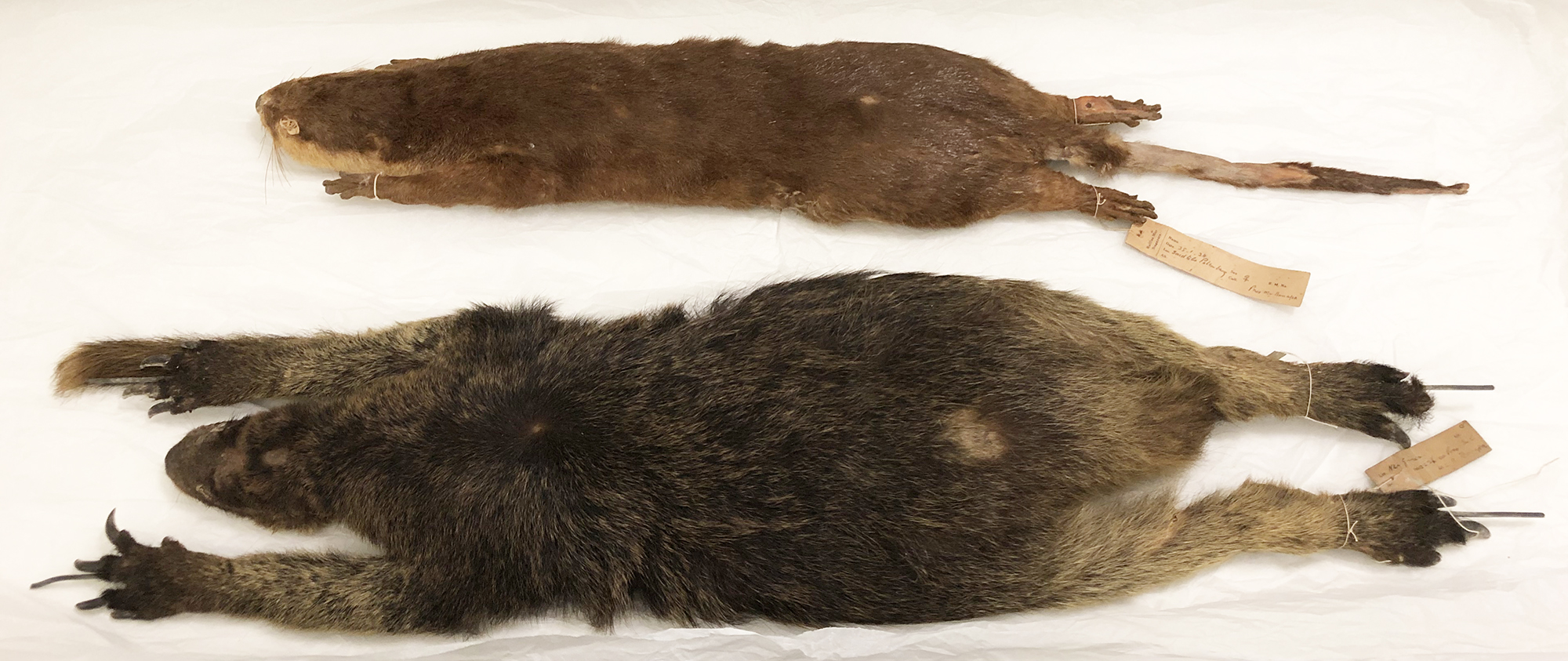
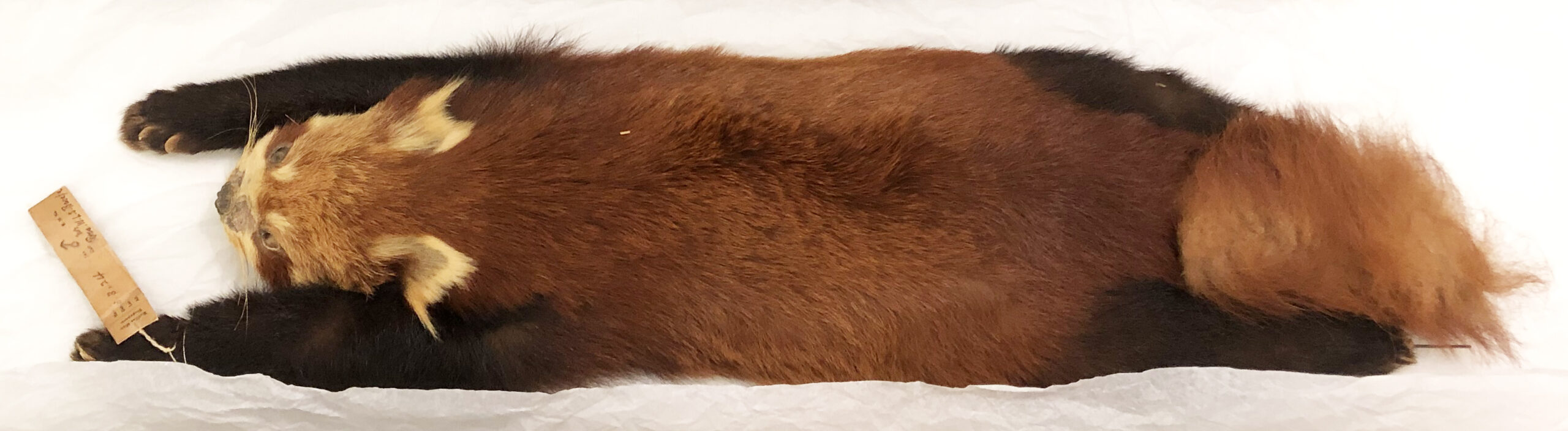
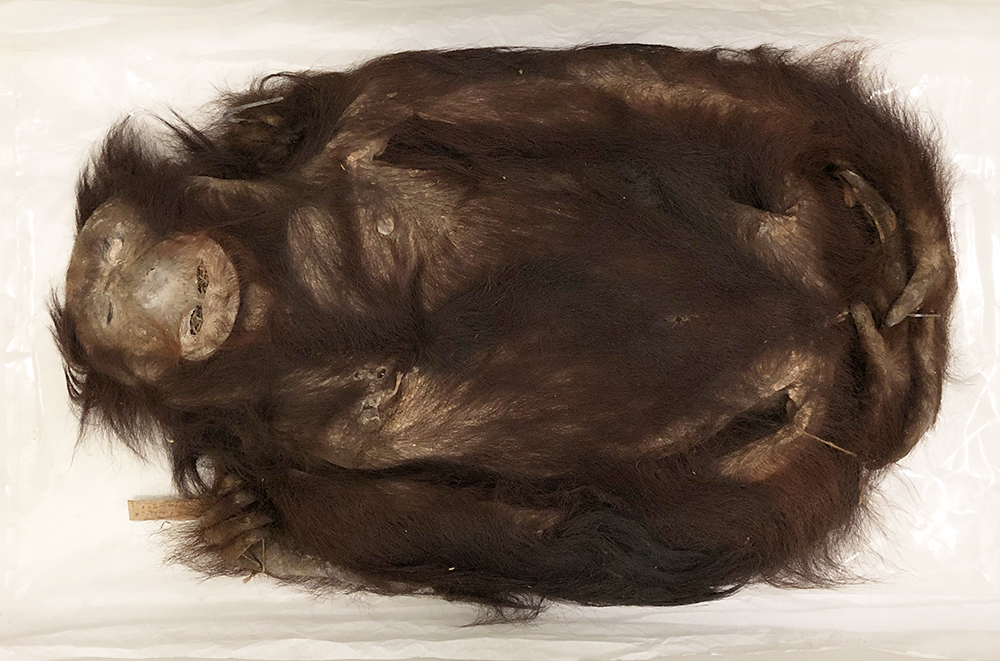
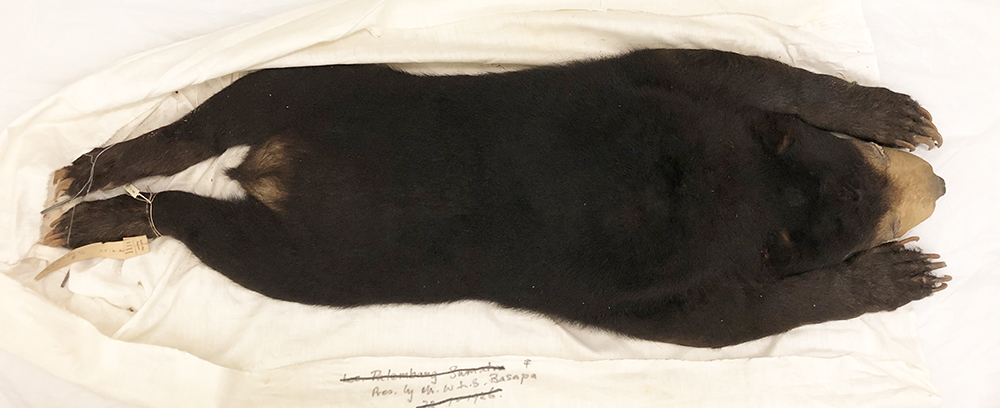
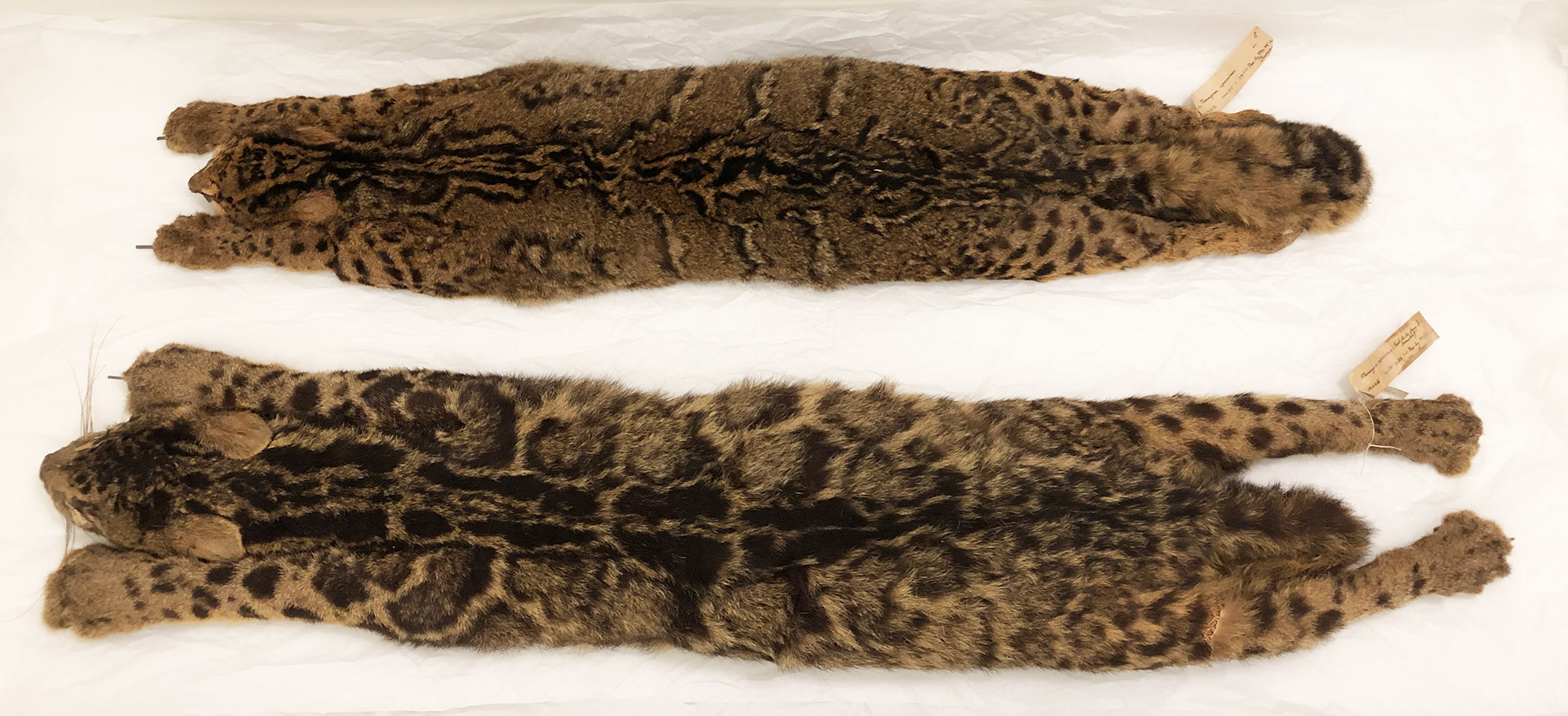
The outbreak of World War II in 1942 brought the zoo to a tragic end. With little time to act, Basapa was unfortunately not able to relocate his animals. Many were shot, sold or released into the wild. Some were donated to the Raffles Museum, where they were preserved through taxidermy. Today, these specimens are housed at the Lee Kong Chian Natural History Museum!
A legacy that lives on
Sadly, Basapa passed away in 1943, never having the chance to revive the zoo of his dreams. Some of the animals which Basapa cared for are now specimens in the Museum’s collections, a reminder of his love and passion for these animals. They are lasting tribute to Singapore’s ‘Animal Man’, and to a time when one man’s love for animals brought people together!
Written by Jeslynn Teo
Sources