

This post will spotlight the first of the five RIMBA-Sarawak expeditions, each aimed at exploring different aspects of Sarawak’s rich biodiversity.
In October 2017, a team from the Lee Kong Chian Natural History Museum (LKCNHM) embarked on a 3-week expedition into the depths of the Sarawak rainforests. This inaugural expedition was a part of the RIMBA-Sarawak collaborative project initiated by the Sarawak Forestry Corporation (SFC). RIMBA (Research for Intensified Management of Bio-Rich Areas of Sarawak), was developed by SFC as an international collaborative platform to document Sarawak’s incredible biodiversity, improve wildlife conservation management, build capacity in these two areas, and share information gathered from these efforts.
Led by Senior Curator of Insects, Dr Hwang Wei Song, the LKCNHM team was joined by visiting scientist Prof Christiane Weirauch from the University of California, Riverside. The main goal of this expedition was to explore the insect fauna of the remote Lanjak-Entimau Wildlife Sanctuary, marking one of the first attempts to document the insect diversity of this area.
Months of meticulous planning preceded the expedition. Other than packing essential field collecting equipment and gears, the team had to devise an insect trap that could withstand the unique challenges of sampling up high in the forest canopy.
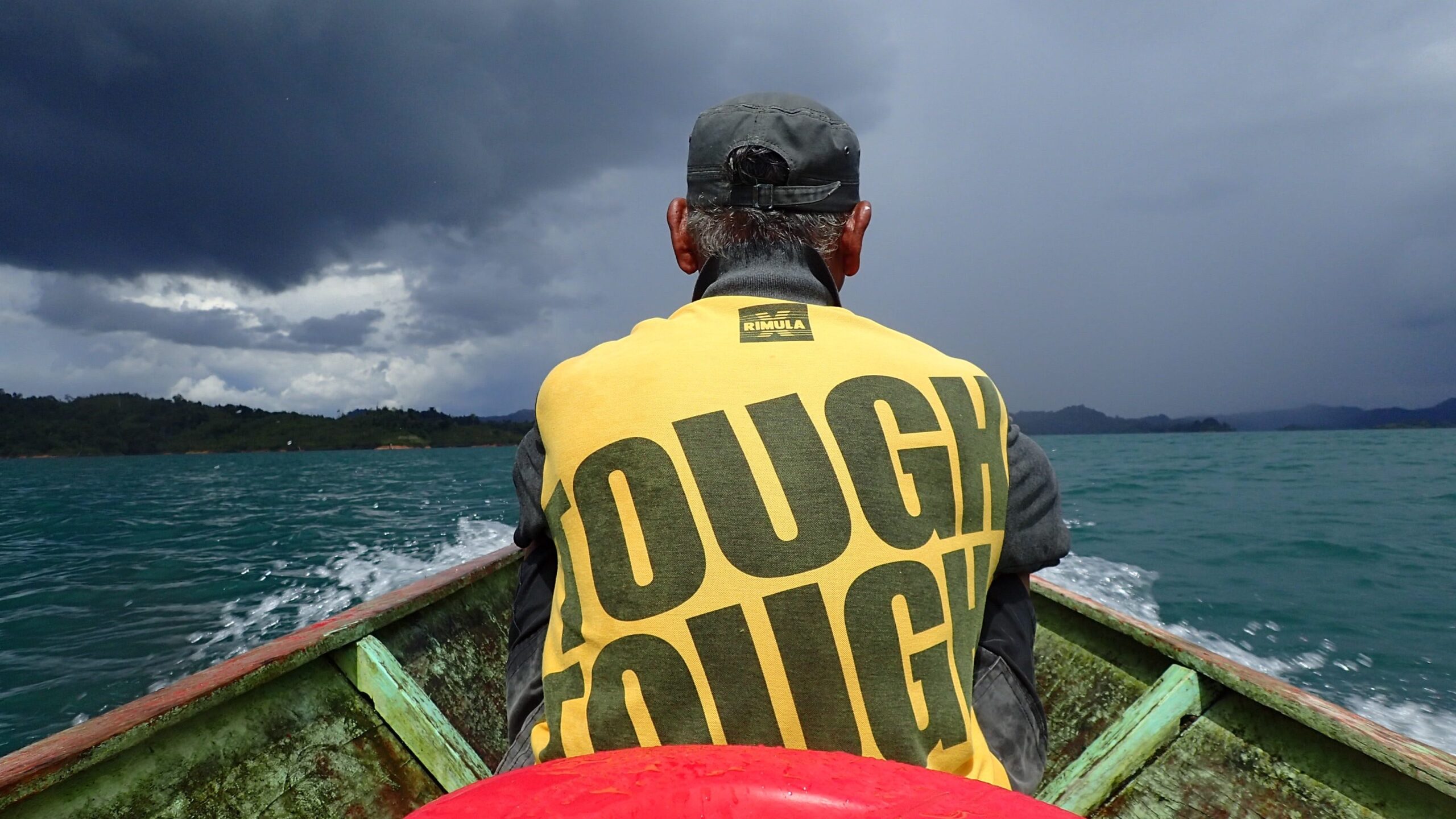
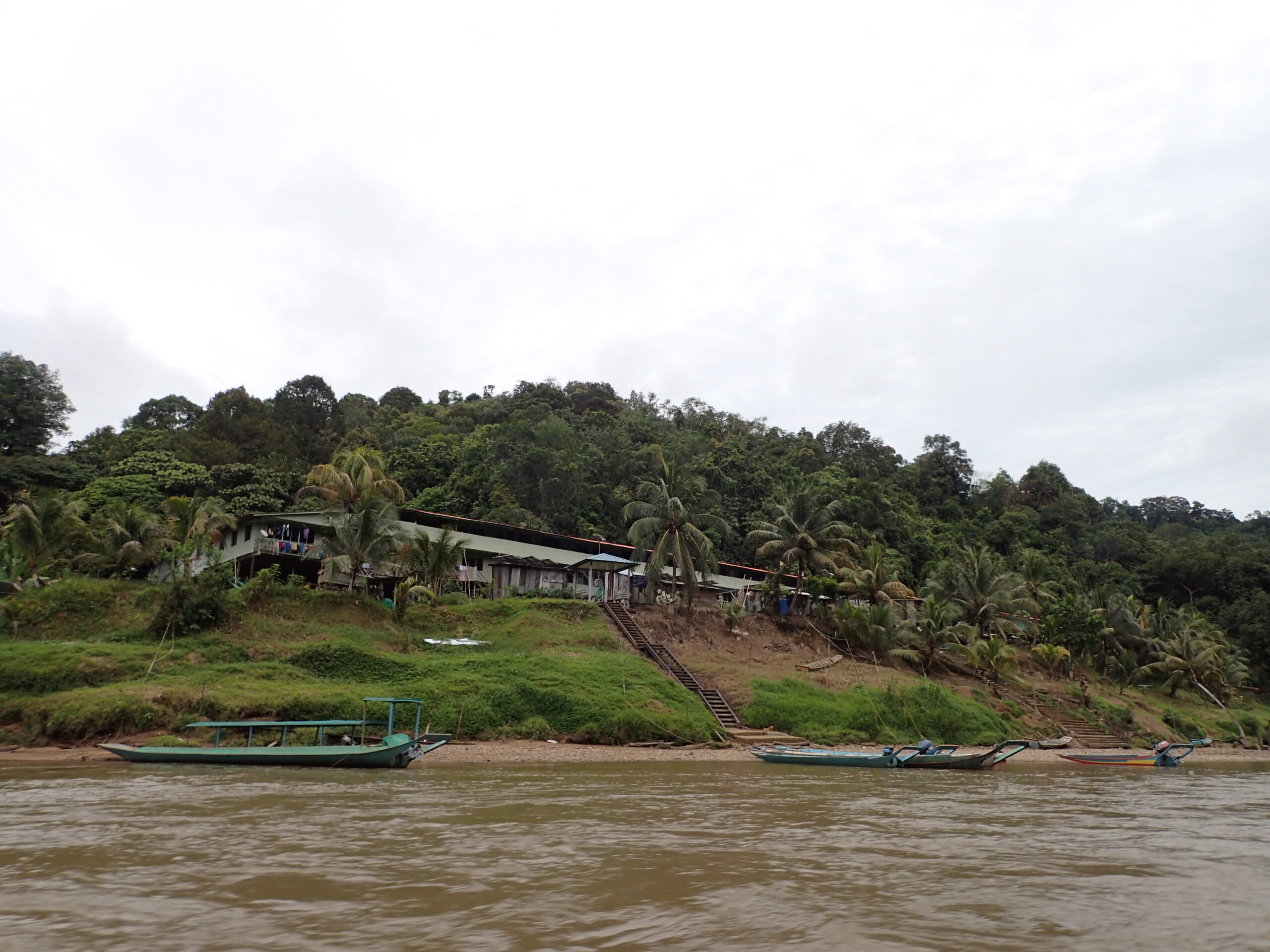
The journey to the field site was not an easy one, requiring a day and a half of travel through treacherous terrain. With invaluable support from local Iban tribesmen, who provided their expertise in navigating the rivers and hilly terrain, the team finally reached Nanga Segerak Field Station, the base-camp for field explorations in the next two weeks.

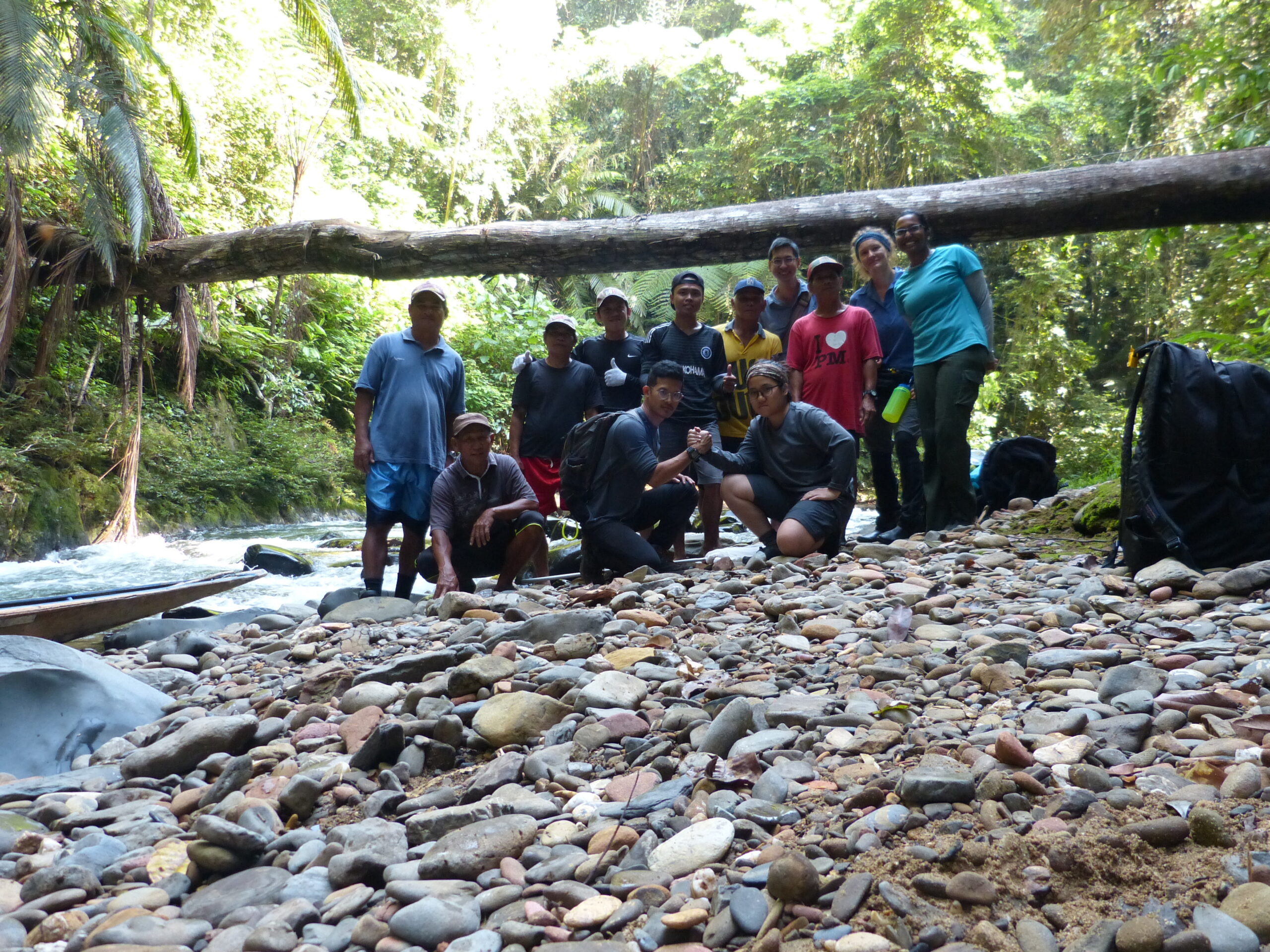
Over the next few weeks, the team worked tirelessly, setting up different insect sampling devices that target as wide a range of forest habitats as possible. The sampling regime was challenging due to the rugged terrain, limited time and resources. Despite this, their efforts were rewarded with the discovery of a new species of a thread-legged assassin bug, Stenorhamphus segerak.

There was also a rediscovery of a giant, the Bulldog raspy cricket, one of only two winged species endemic to Southeast Asia. The last known record of the Bulldog raspy cricket was in the 1920s, making its rediscovery one of the highlights of the RIMBA expedition.

The 2017 expedition laid the foundation for subsequent RIMBA-Sarawak expeditions in Lanjak–Entimau Wildlife Sanctuary, with later teams documenting aquatic life, herpetofauna and additional insect diversity.
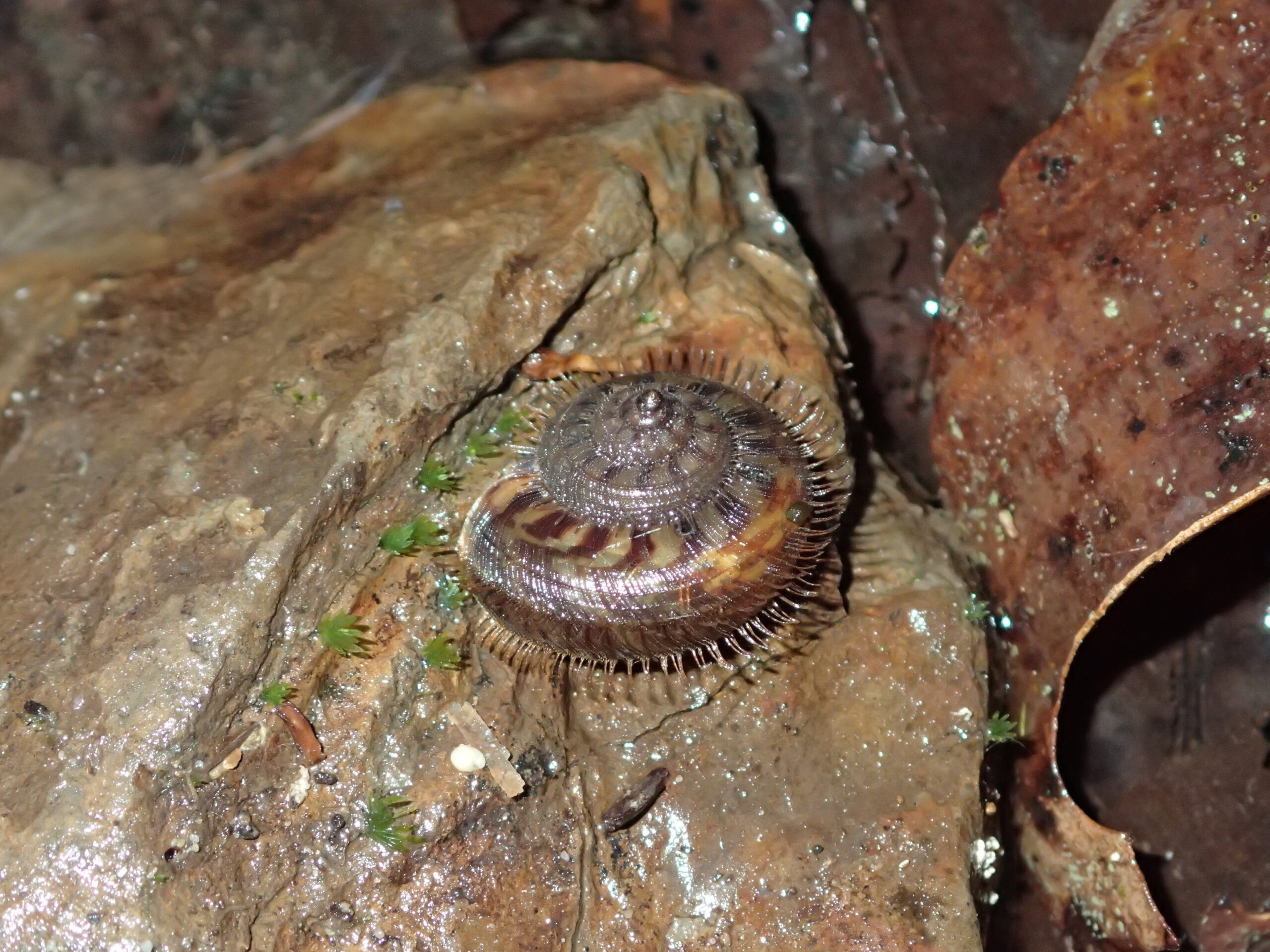
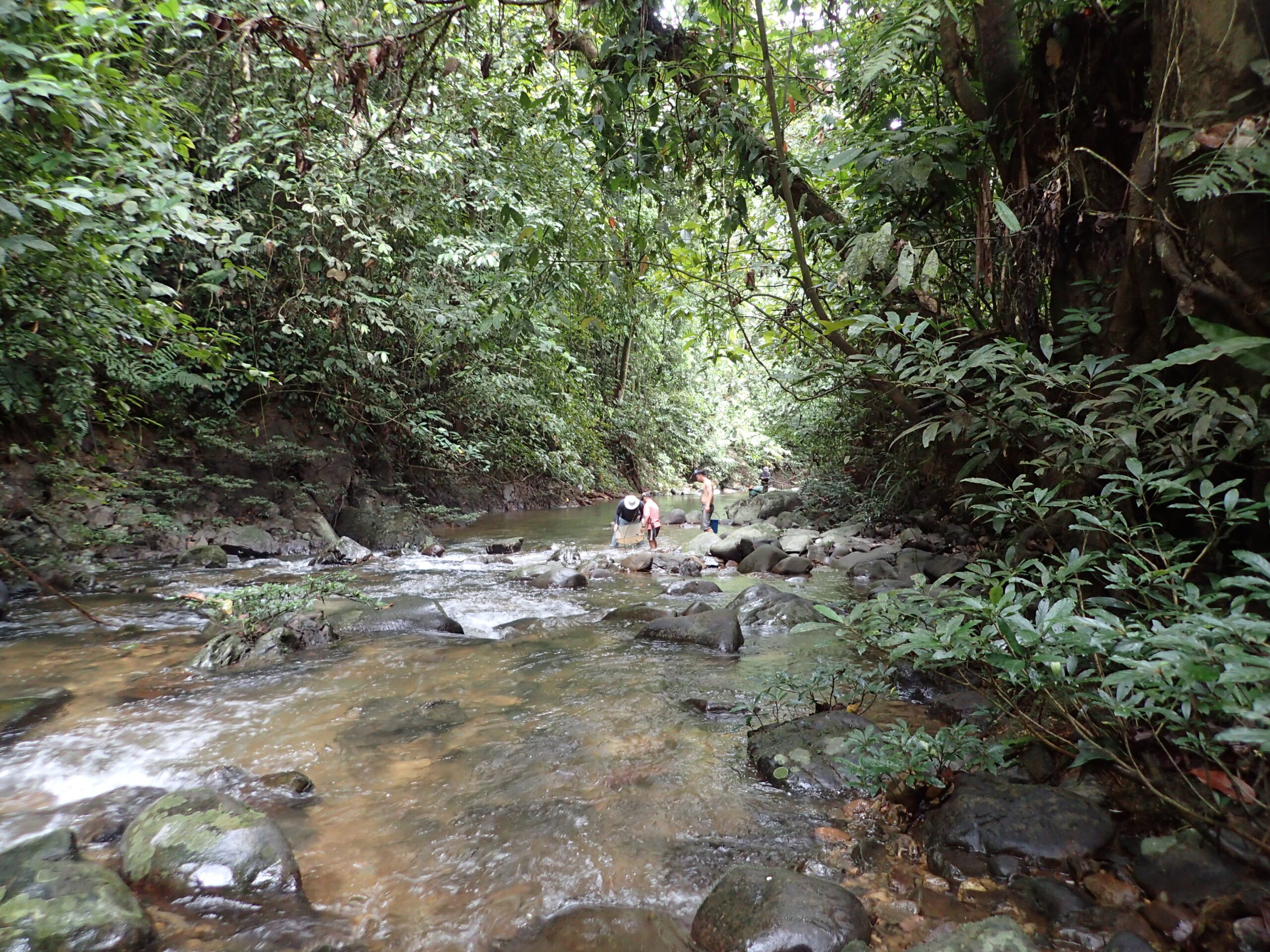
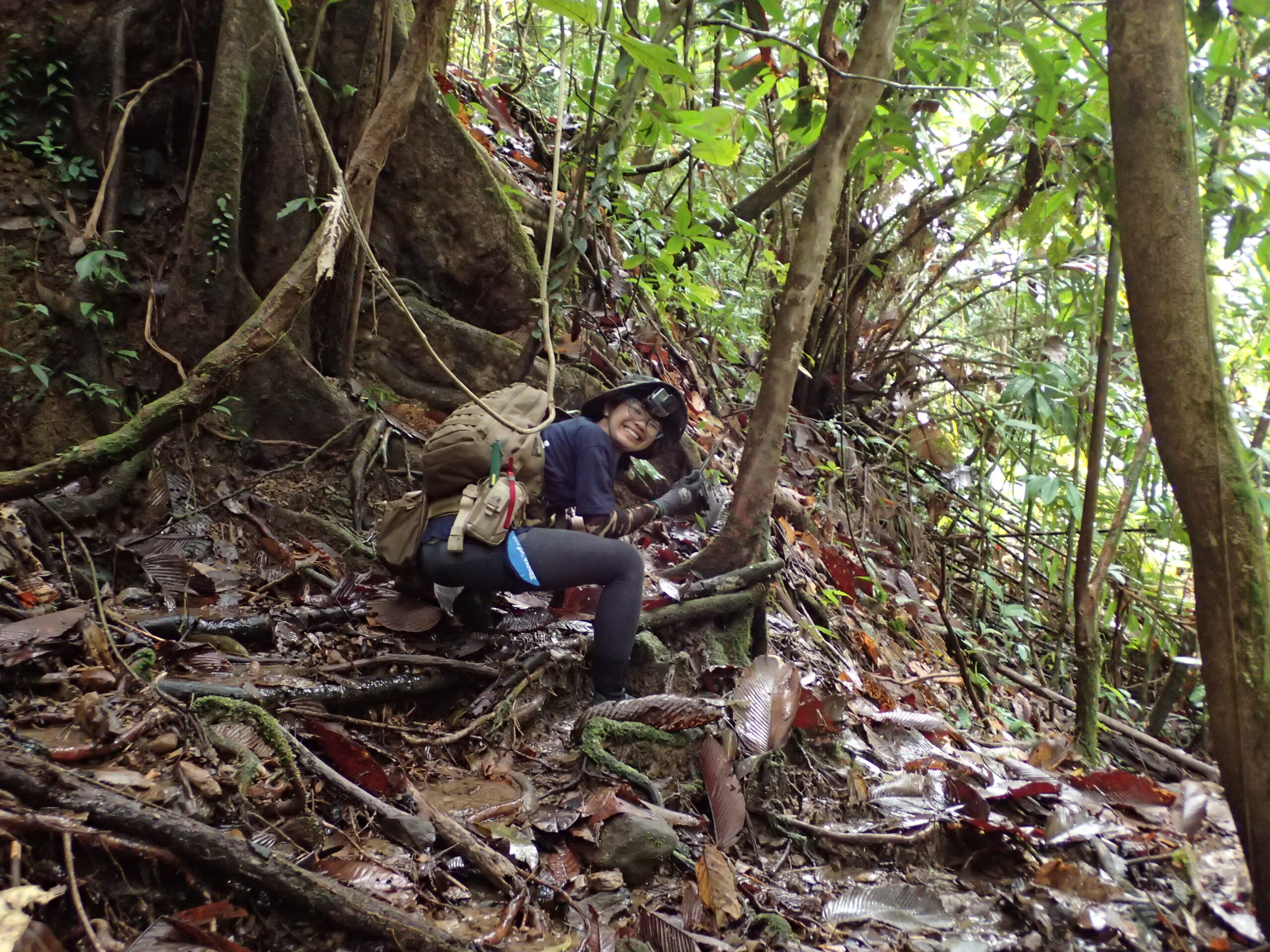
The tropical rainforests of Sarawak remain one of the least explored yet richest frontiers of biological discoveries, with the RIMBA-Sarawak expeditions providing a deeper understanding of Sarawak’s rainforest diversity.
Research publications:
Related articles:
The Road to RIMBA II: Pre-Departure Preparations
The Road to RIMBA III: Journey
The Road to RIMBA IV: In the Field