

The first phase of the Comprehensive Marine Biodiversity Survey I & II (CMBS I & II) began in 2010 as a collaborative partnership between the National Parks Board and the National University of Singapore, led by the Lee Kong Chian Natural History Museum (LKCNHM) and the Tropical Marine Science Institute (TMSI). The Comprehensive Marine Biodiversity Surveys aim to document and understand Singapore’s marine biodiversity, to support relevant stakeholders such as conservation efforts and marine biodiversity research.
Comprehensive Marine Biodiversity Survey I
Launched as Singapore’s first extensive marine biodiversity survey, CMBS I set out to systematically assess the diversity of marine habitats within the nation’s waters. This marked Singapore’s first large-scale effort to consolidate its marine diversity database and address critical knowledge gaps. The data collected would be used to inform and shape Singapore’s marine conservation strategies.
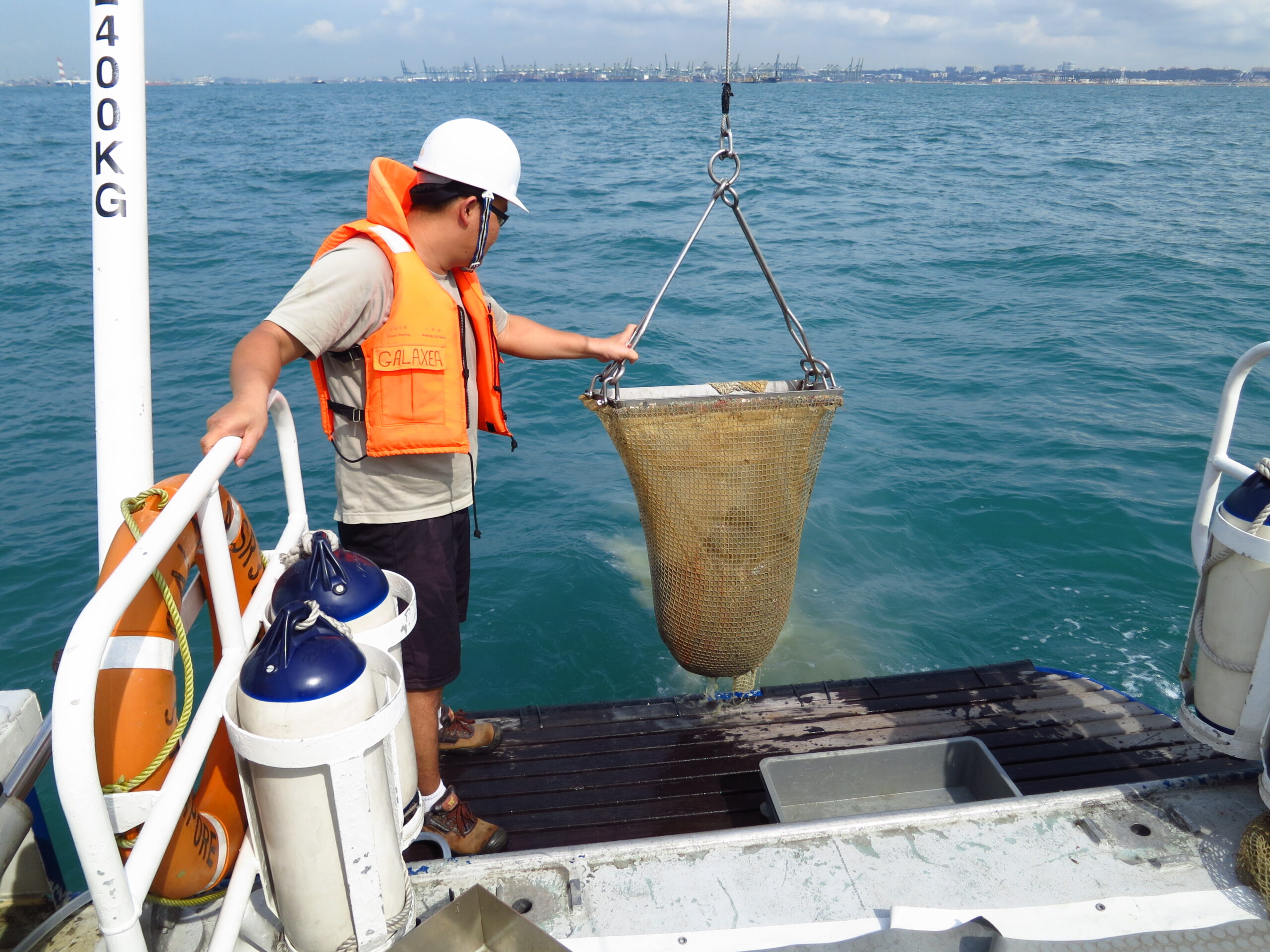


In 2015, CMBS I was finally completed. The project yielded exceptional results, with an estimated 72,000 specimens collected in total including 37 species new to science. 300 species new to Singapore were discovered, such as the new cryptic ragworm, Neanthes wilsonchani and sea cucumber species, Acaudina rosettis.


Comprehensive Marine Biodiversity Survey II
Building on the success of CMBS I, the second phase, CMBS II, was launched on 28 October 2024, in conjunction with the opening of the revamped Sisters’ Island Marine Park. Like the first phase, CMBS II is projected to span five years, aiming to deliver a deeper and more comprehensive understanding of Singapore’s marine biodiversity. This phase emphasises on qualitative surveys to establish a baseline for crucial areas and focuses on unexplored key biomes.
To achieve these goals, CMBS II is adopting several novel research techniques to enhance local marine research capabilities:

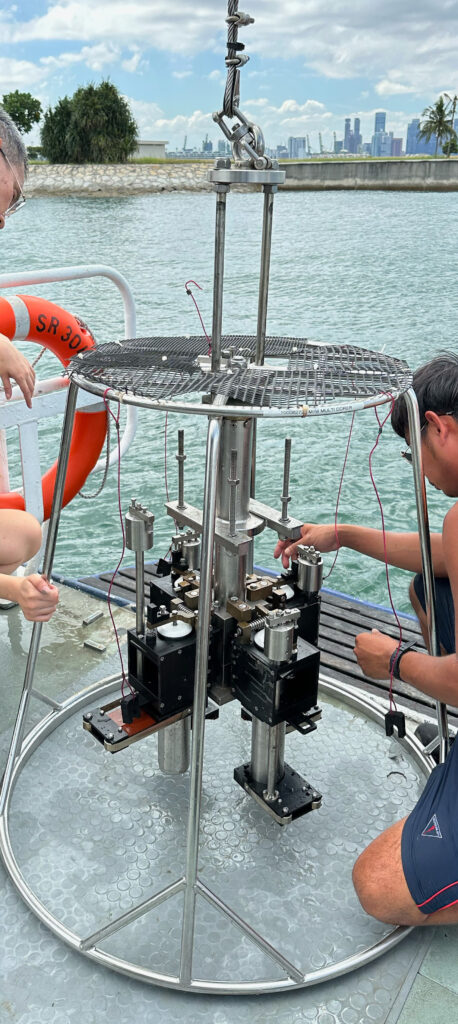


The data collected from this survey will be shared to relevant agencies to support coastal planning and management efforts. Findings will also be made accessible to the public to contribute to marine biodiversity research and conservation efforts throughout Southeast Asia. The commencement of CMBS II not only marks a significant milestone in biodiversity research but also reflects Singapore’s ongoing commitment to understanding and preserving our marine ecosystems.
Research publications:
The Comprehensive Marine Biodiversity Survey Singapore Strait International Workshop 2013
Broad-banded velvetchin in the Singapore Straits
Related articles:
Launch of Phase Two of the Comprehensive Marine Biodiversity Survey, CMBSII!