

This post is the last of a four-part series documenting the inaugural RIMBA-Sarawak project expedition.
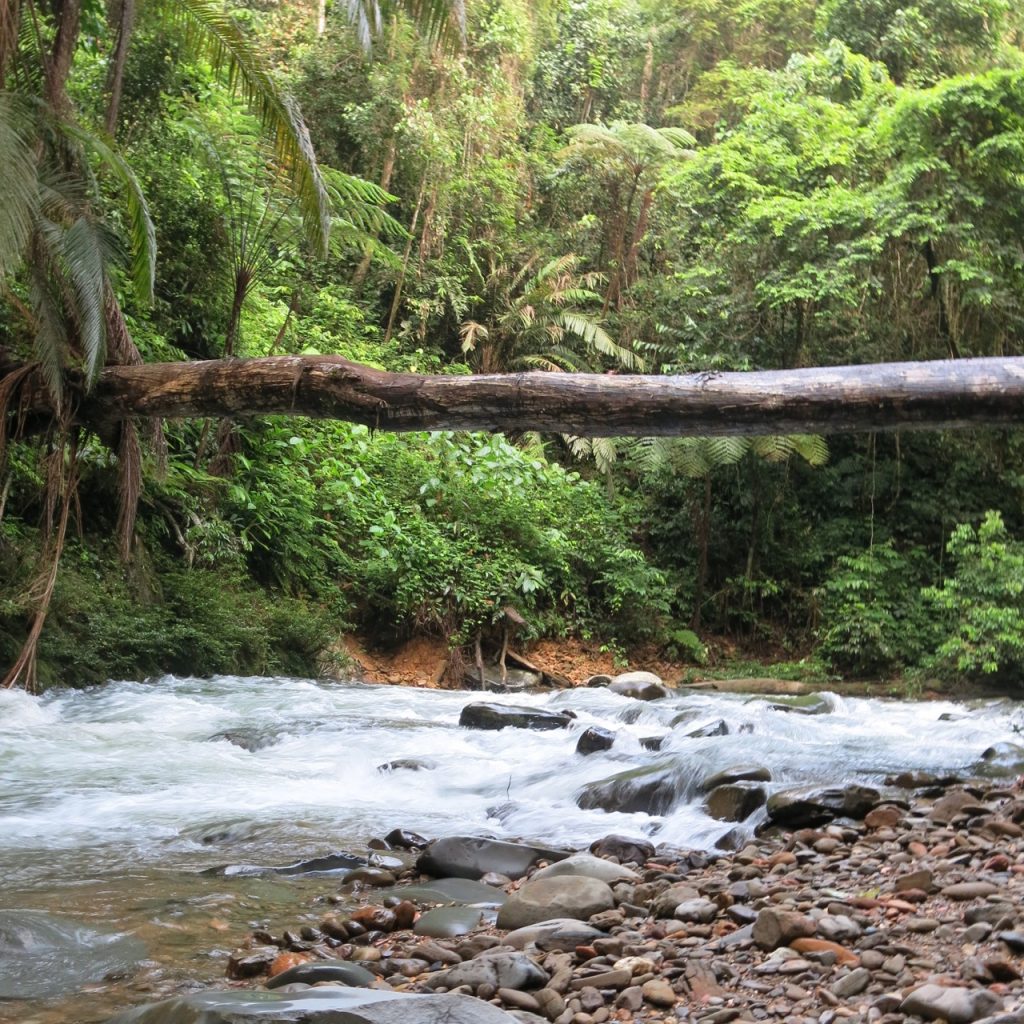
After an exhilarating journey on wheels and longboat, the LKCNHM team have reached the Nanga Segerak Field Station. This is where the actual work begins!
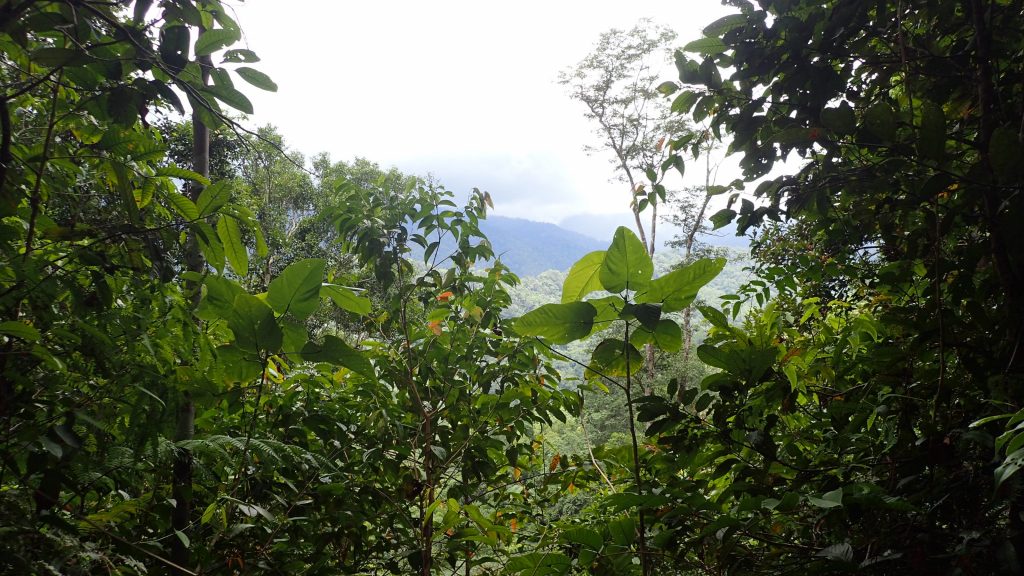
Lanjak Entimau Wildlife Sanctuary, where the Nanga Segerak Field Station sits, is contiguous with Betung Kerihun National Park on the Kalimantan side of Borneo. Together, they add up to almost 10,000 km2 of protected primary tropical rainforest, roughly twice the size of Brunei.
This vast tract of rainforest is home to the iconic Bornean orangutans and hornbills, but also the less familiar denizens of the forest, namely the terrestrial invertebrates (animals that lack an internal skeleton). These include insects, spiders, and snails, to name a few, and they make up 99% of the animal diversity in the tropics.
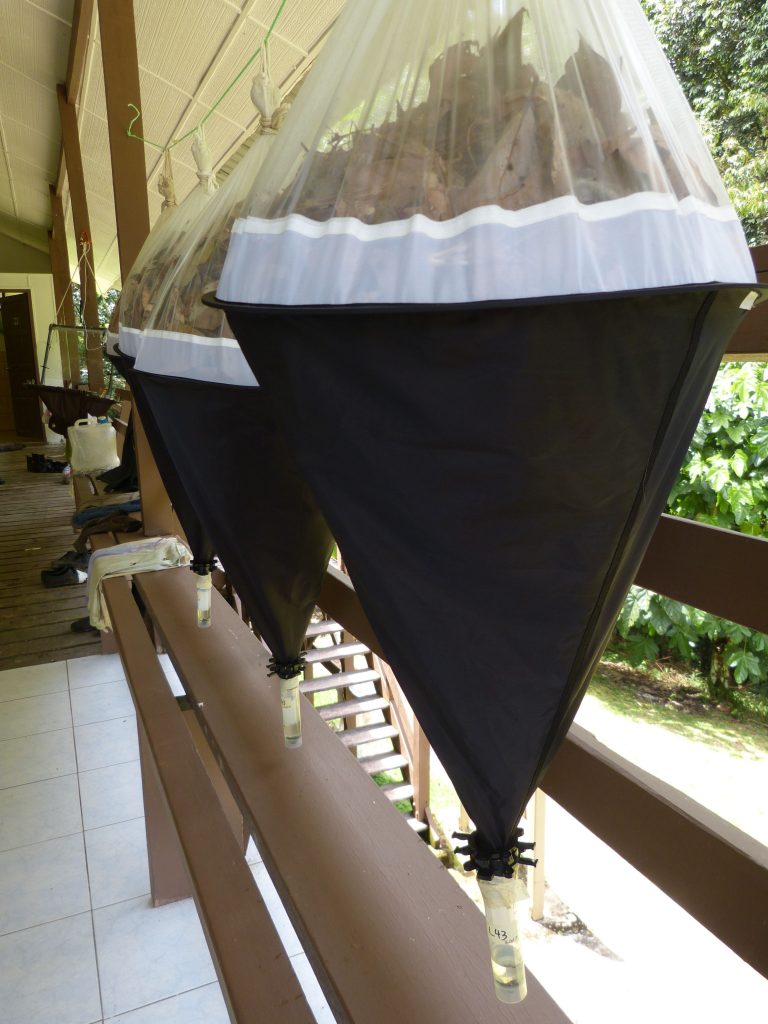
How do we know what exactly lives in a forest? A forest that stretches as far as the eye can see, and then some! Well, the same way we do for any other given area – we sample from the field to get a working estimate. The better the sampling design, and the more sampling sites we obtain, the closer we can get to an accurate figure. This expedition serves as one of the first attempts to document the insect diversity of Lanjak Entimau Wildlife Sanctuary to piece together this part of the biodiversity puzzle. A team from the Singapore Botanic Gardens had already made their first forays to document the floral diversity in 2016, with beautiful discoveries (see Gardenwise for details), and we were eager to do likewise.
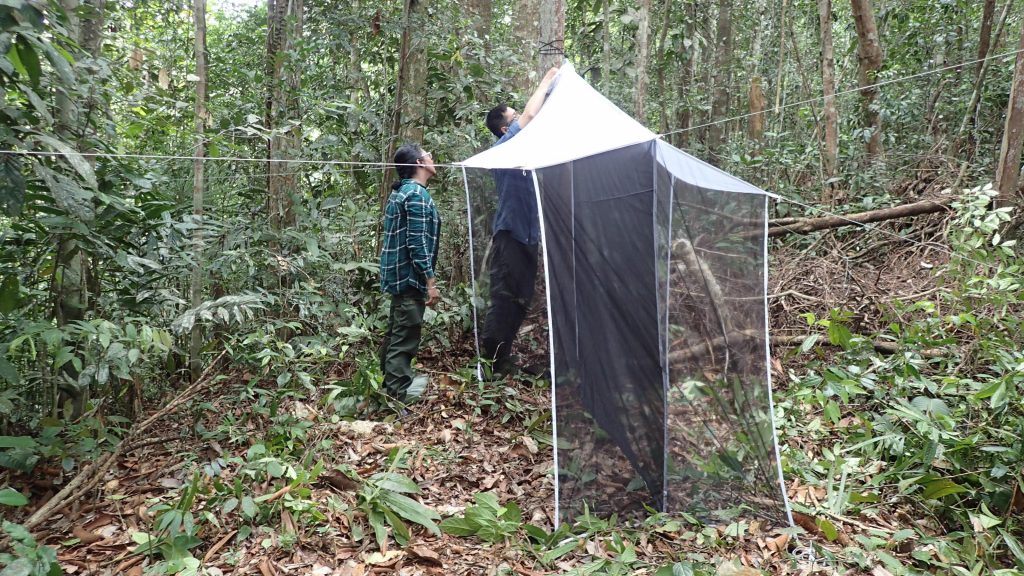
Having a representative sample of the insect diversity in these forests is not an easy task, given our modest party of five, a limited time in the field, and the relatively lightweight equipment we could bring upriver. Nevertheless, we designed a sampling regime that targeted as wide a range of forest habitats as possible – from the forest canopy to the leaf litter in the forest floor. This involved the setting up of various insect sampling devices to capture insects found in their natural habitats.
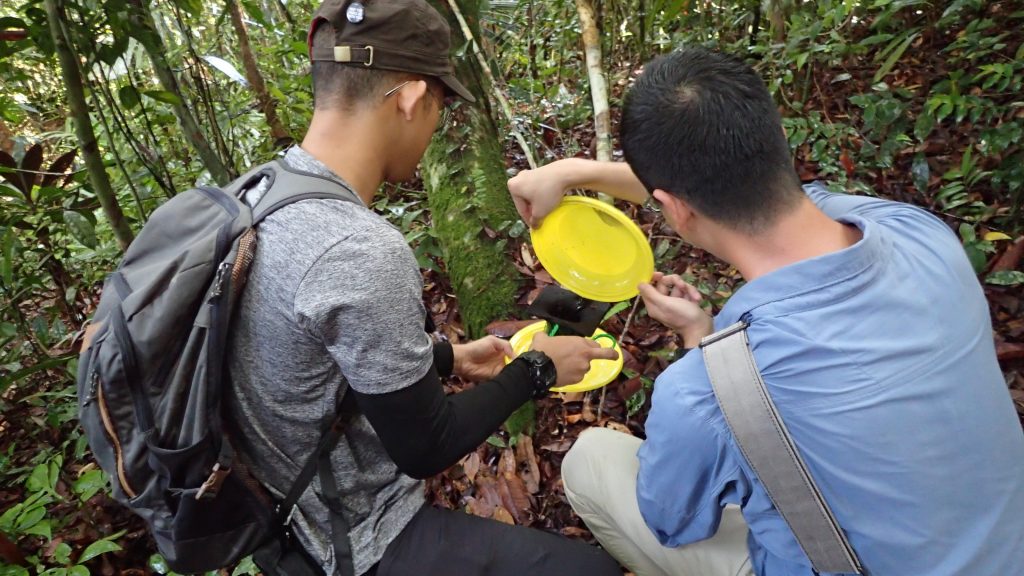
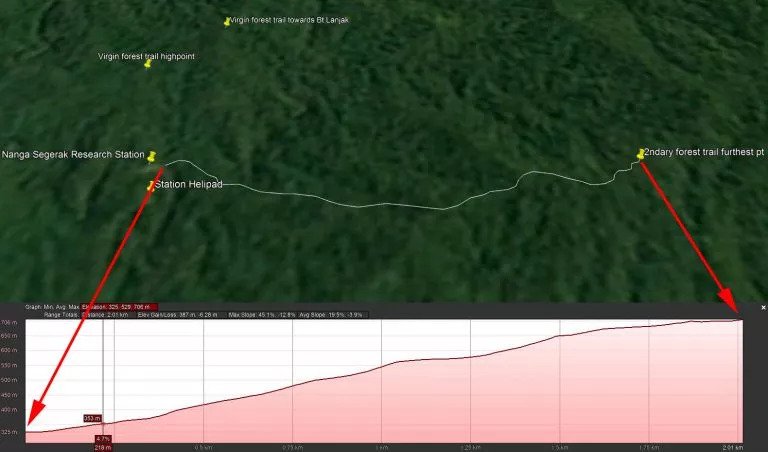
The sampling regime was exhausting work given the rugged terrain of the hills surrounding the field station. Existing trails climb along steep ridges and we ascended uphill and back twice a day.
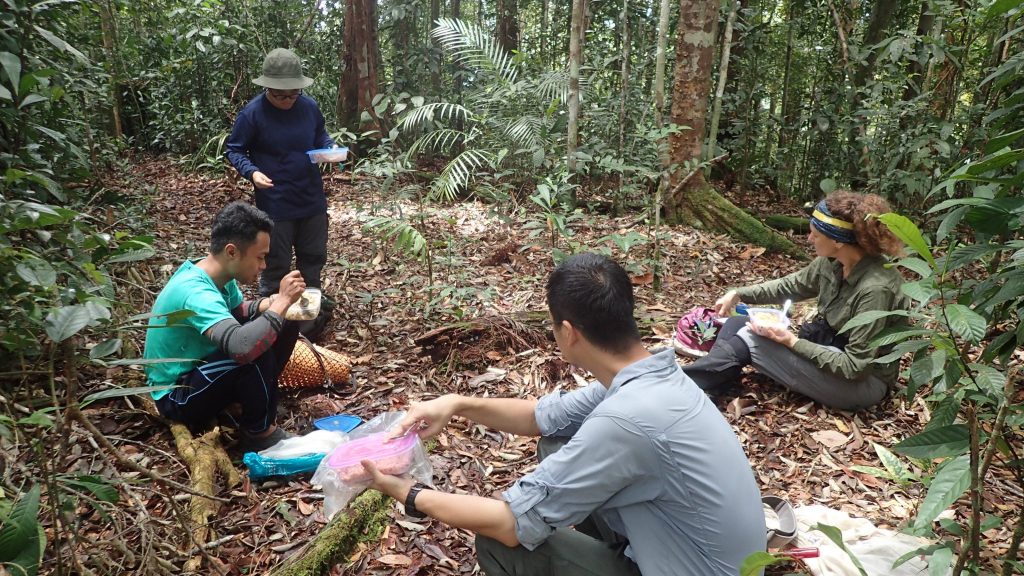
On days we planned to explore deeper into the woods, we packed our lunches and undertook a full day’s hike before heading back to the field station by dinner time.
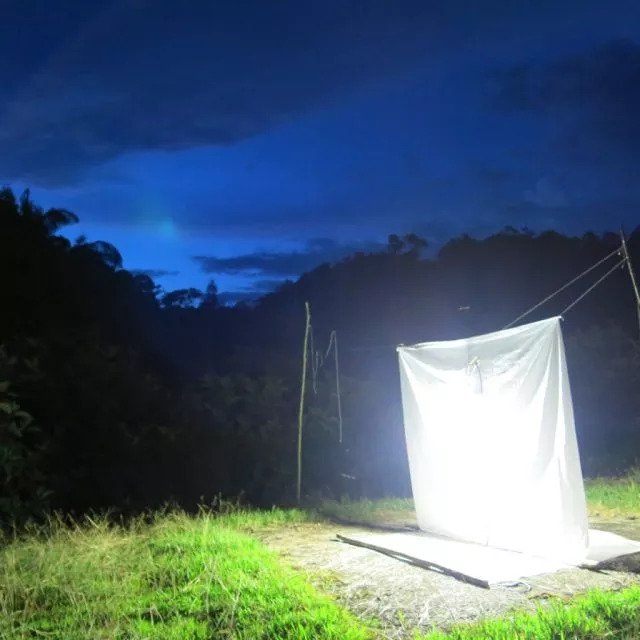
There was no rest for the weary come nightfall, however, as a significant number of insects are nocturnal by nature and we intended to survey these night creatures as well. We deployed our newly minted canopy light trap in the field proper, with very satisfactory results.
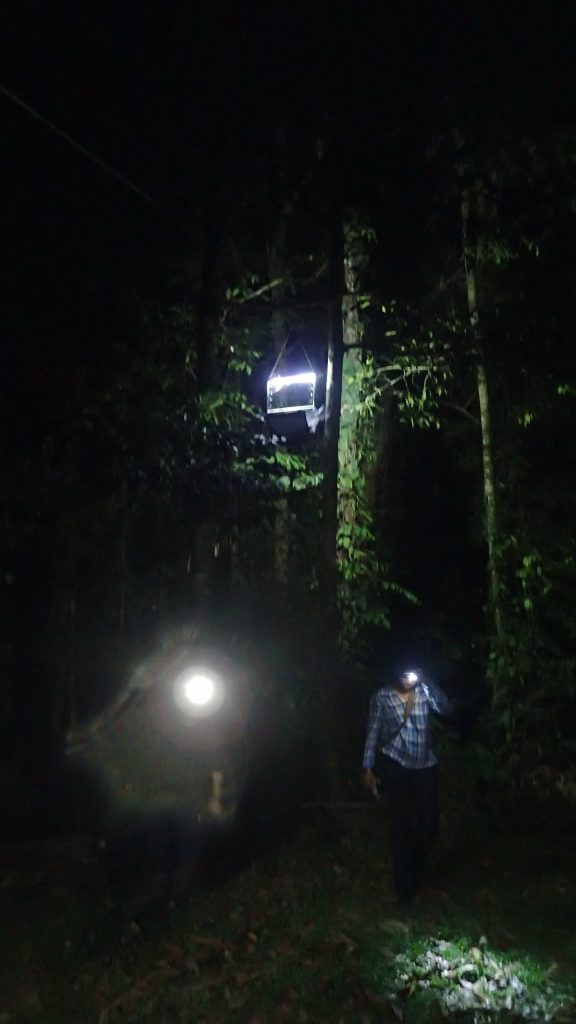
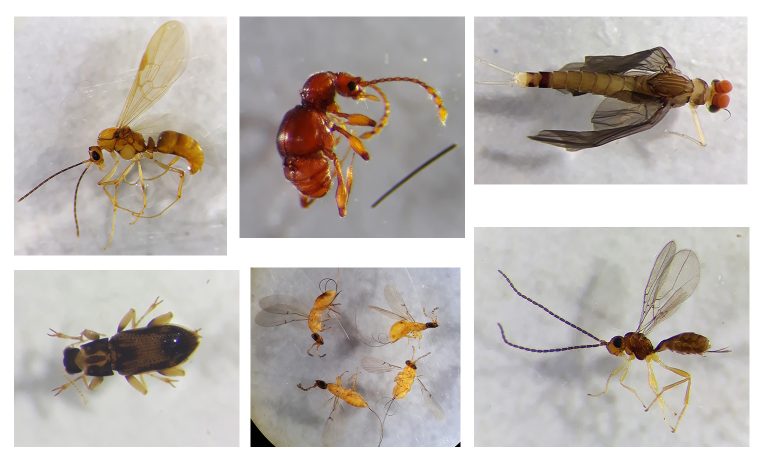
Our efforts paid off when the mercury vapour lamp set up at the helipad hillock attracted swarms of flying insects. The impressive scale of insect life in the Sarawak tropical rainforests became truly evident in this visual feast of fluttering colours in all shapes and sizes.
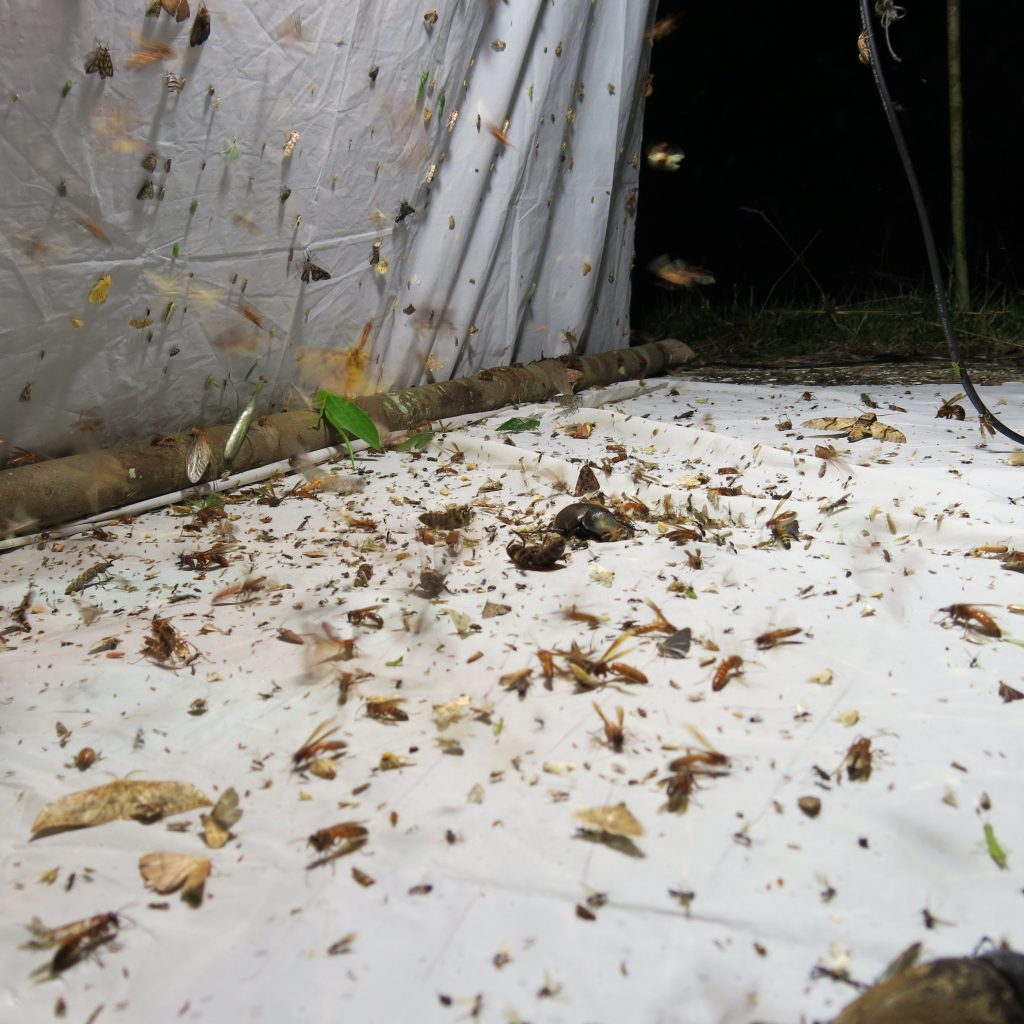
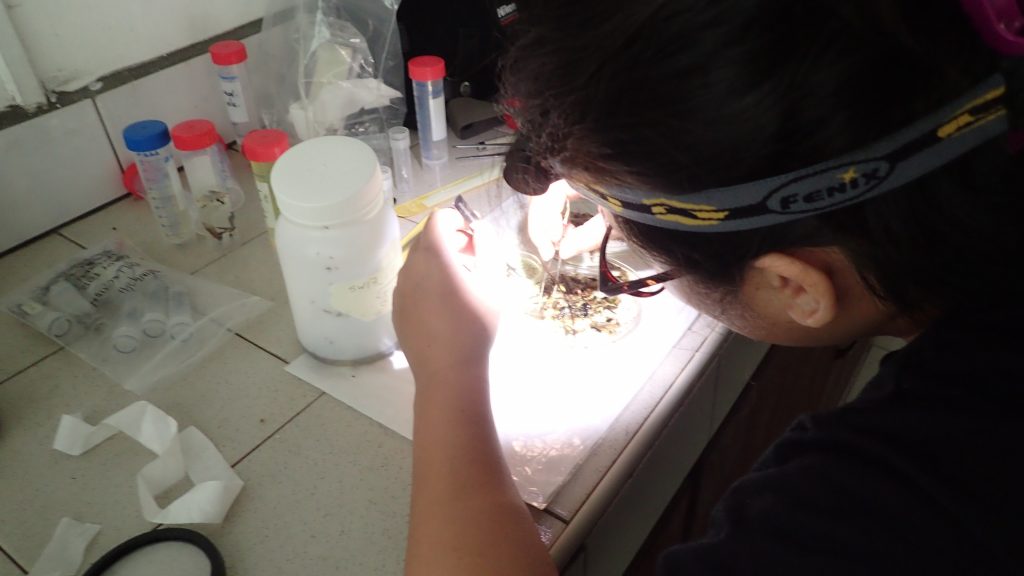
Altogether, the samples we collected offered only a glimpse into the true diversity of insects present in these ancient forests. It will still take us the next few years to fully process the estimated 4,700 specimens we collected from the surrounding hills of Nanga Segerak.
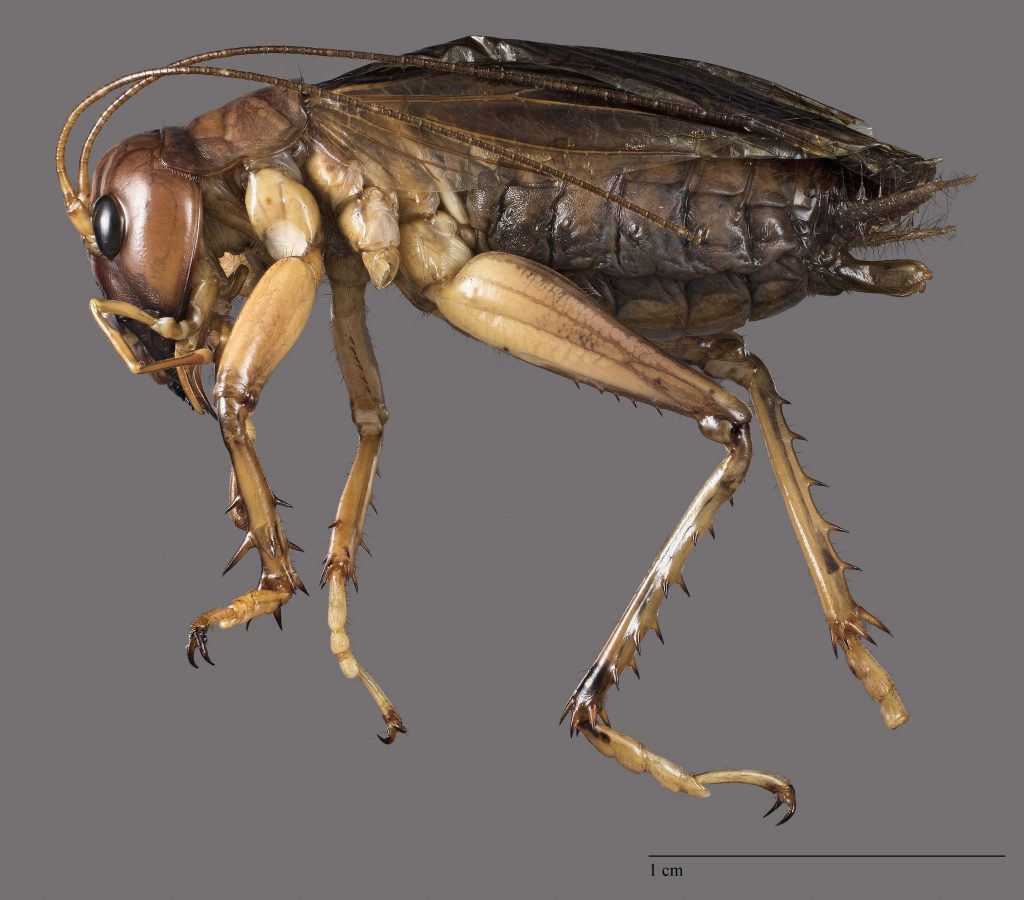
One of the initial finds we made is a giant among insects: a palm-sized Jerusalem/King cricket! Related to the giant wetas of New Zealand, this Old World Jerusalem cricket is one of only two species endemic to Southeast Asia. This species is a welcomed rediscovery, first discovered in Borneo in the early 1900s and not reported since then.
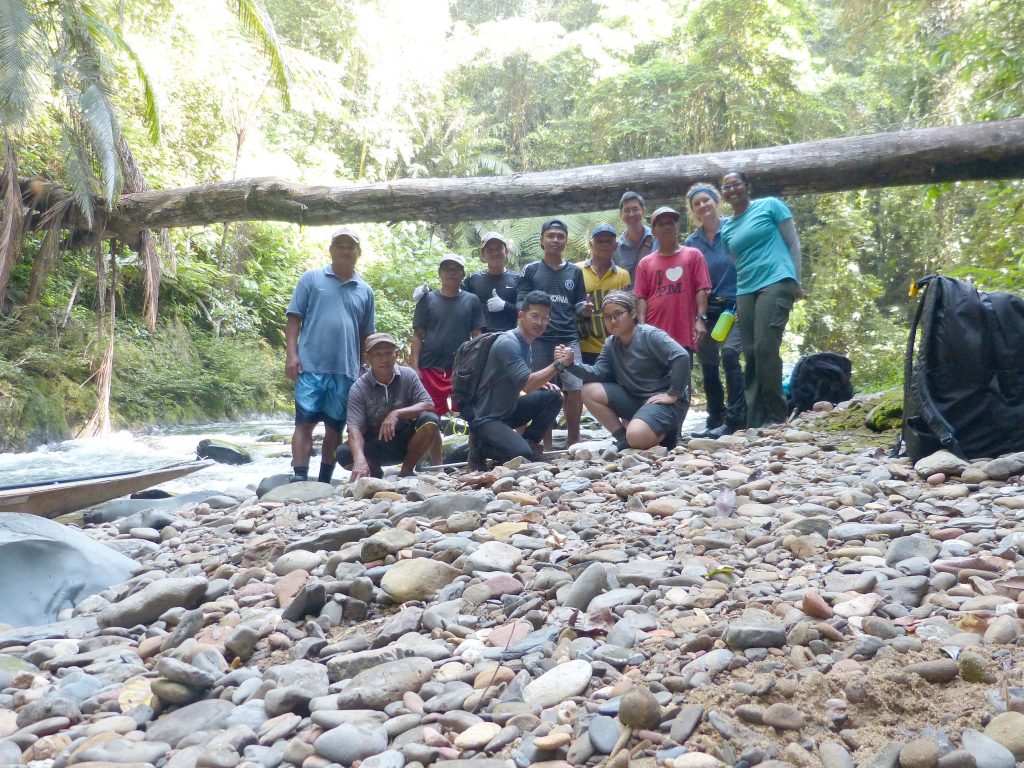
There is no doubt that more discoveries await us! We look forward to sharing them in time to come and we extend our sincerest gratitude to our host and organiser – Sarawak Forestry Corporation, for providing the best ground coordination ever experienced by our team! We felt very fortunate to have such dedicated staff members along with us and were very well taken care of throughout the expedition.
As we continue our efforts in documenting the biodiversity of Southeast Asia, it is clear to us that the Sarawak tropical rainforests remain one of the least explored and richest frontiers of biological discoveries that deserves greater attention as well as protection.
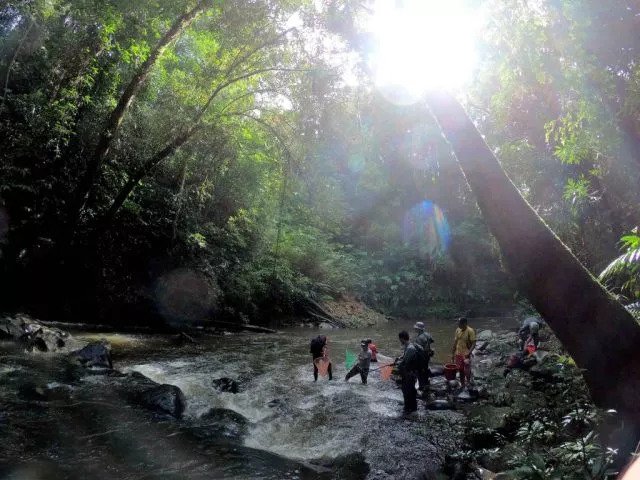
This year, another team from the museum embarked on a second field expedition under the auspices of the same RIMBA-Sarawak project, exploring a different area within Lanjak Entimau Wildlife Sanctuary, with a different faunistic focus. At the time of writing this post, they have just successfully completed their field work, with their own fair share of stories to tell. Stay tuned for the next chapter of the RIMBA-Sarawak expedition project!